
How Digital Banking is Transforming Money Management for Young Generations
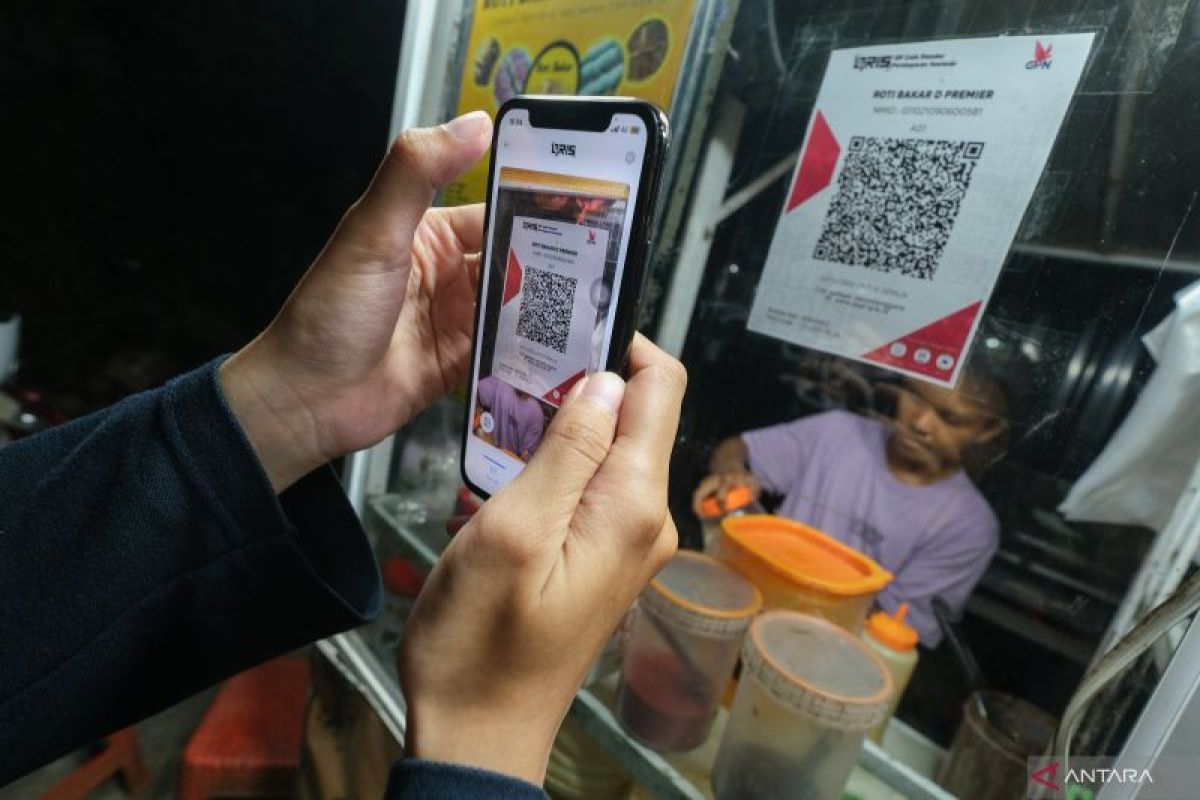
Jakarta (ANTARA) — These days, one could say that many people panic more when they leave their smartphone at home than when they forget their wallet. Within a single grip, almost all daily activities can be carried out, from riding public transport and ordering ride-hailing motorbikes to sending money and shopping.
This shift in lifestyle is inseparable from the rapid development of financial technology (fintech), which has given the public — particularly Generation Z and millennials who are comfortable with technology — easy access to digital financial services.
The habits of the generation born and raised in the digital era are reflected in the rising use of digital payment services.
Digital payment volume reached 5.22 billion transactions in May 2026, up 28.14 per cent year-on-year, according to Bank Indonesia (BI).
The significant growth during that period was supported by the growing popularity of digital payments. Transaction volume through QRIS (Quick Response Code Indonesian Standard) recorded the highest growth at 95.10 per cent, followed by digital transactions via mobile applications at 26.16 per cent and the internet at 15.51 per cent.
According to BI records, nearly 60 million people have used QRIS because of its convenience, efficiency and transaction speed.
These figures show that digital payments are no longer merely an alternative, but have become part of people’s daily activities, especially for the younger generation.
Transformation
The development of financial technology and changing lifestyles in Indonesia have triggered a transformation in the banking sector. Banks can no longer rely solely on providing mobile and internet services. They are also changing how they serve customers through digital banks that offer an all-online experience.
Unlike mobile banking, which still depends on a bank’s physical offices for a number of services, digital banking allows the entire process — from opening an account and making transactions to investing — to be done through an application. A digital bank is one whose entire services are run digitally.
Rather than simply moving banking services onto a phone screen, digital banks also seek to help users build better financial habits.
Their various services are designed to help users manage their finances more systematically, from setting aside funds for specific needs and monitoring spending to starting investments. It is this approach that makes digital banking services increasingly relatable to the lifestyle of the younger generation.
The same approach is applied by blu by BCA Digital. Through features such as bluSaving, bluGether, bluDeposit and bluInvest, users can separate savings by goal, save together, open deposits digitally and start investing — all within a single application.
Sustained convenience
The convenience of digital services should not be measured by transaction speed alone. The real added value comes when technology helps people make better financial decisions. Moreover, today’s young people face far more challenging conditions than previous generations.
Rising living costs require them to make wise decisions. Without sound financial planning, their income will quickly run dry if they follow a consumerist lifestyle.
Even if they can set some money aside, savings will simply sit idle in an account if they are not invested. The trouble is that the range of investment options is so vast that it often causes confusion.
That is why they need tools to help manage their money, such as those offered by digital banks. With app-based features, digital banks help manage funds more efficiently, simply, flexibly and conveniently.
Convenience is indeed the selling point of digital banks such as blu. Yet equally important, the various available features also encourage users to be more disciplined and prudent in managing their money. Such habits can help improve financial literacy and inclusion, especially among the younger generation who are the main users of digital services.
Therefore, sustainability is crucial for digital banks so that the services they offer remain relevant to their users’ needs.
To safeguard that sustainability, BCA Digital has initiated a number of strategic steps this year so that its services can go further.
With the tagline “Tumbuh Bareng Kamu” (Growing Together with You), the digital bank makes user growth and trust its main focus in maintaining profitability through robust governance.
Expanding its banking ecosystem is also a key target, through collaboration with important partners to broaden access to more inclusive financial services.
BCA Digital is also continuing to strengthen its infrastructure capacity so it can provide a digital banking service — blu — that is reliable, responsive, secure and seamless for its users.
What the bank is doing shows that the digital transformation of the financial sector is set to continue.
However, its success is now measured not only by the number of transactions, but also by how far innovation can help people manage their money more easily, systematically and responsibly.
This is especially true for the younger generation, who see convenience as part of their daily lives while at the same time facing various digital and financial challenges — particularly the consumerist temptations that appear on their phone screens.