
How Contractors Overcome Challenges in Constructing the Trans-Papua Mamberamo-Elelim Segment
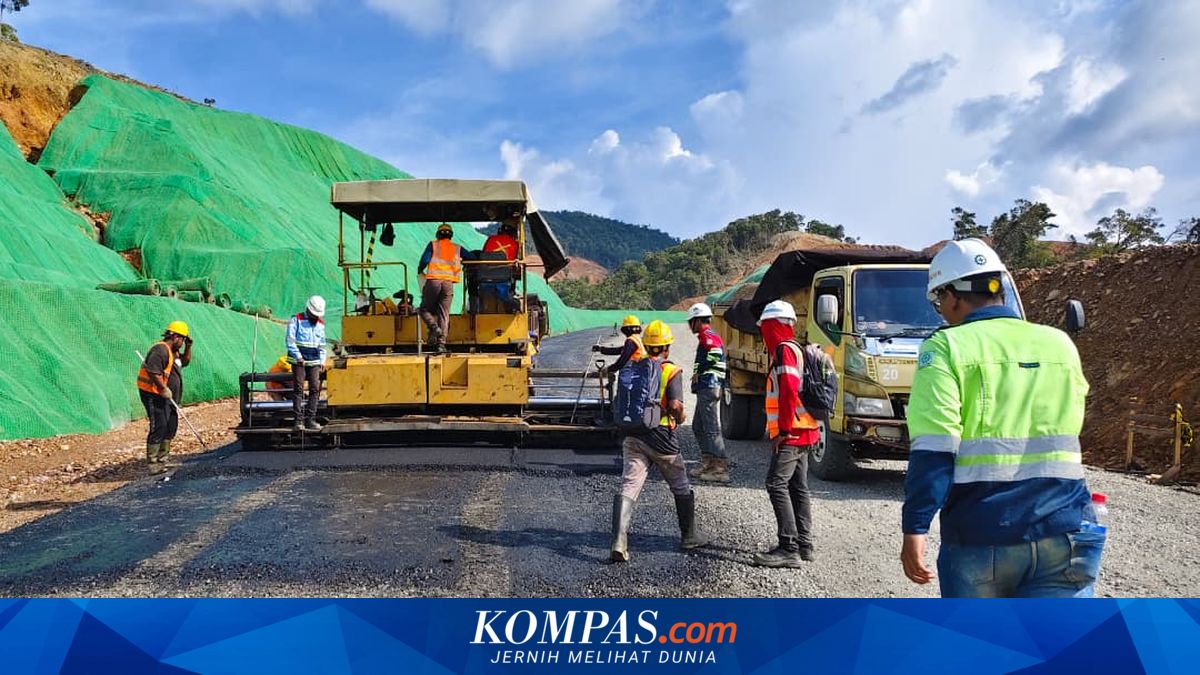
PT Hutama Mambelim Trans Papua or HMTP is implementing various technical and operational methods to overcome the challenges of constructing the Trans-Papua Road Jayapura-Wamena segment from Mamberamo to Elelim, spanning 50.14 kilometres through the mountainous regions of Papua. The project, undertaken by HMTP as the Executing Business Entity formed by the consortium of PT Hutama Karya (Persero) and PT Hutama Karya Infrastruktur or HKI, forms part of efforts to open up isolated areas and strengthen inter-regional connectivity in Papua. The road construction faces numerous geographical challenges, from remote locations with limited access and complex mobilisation of equipment and materials to changeable weather prone to rain. Additionally, the characteristics of the road on mountain slopes carry a high risk of landslides. To address these conditions, HMTP conducts mapping of critical areas to identify landslide-prone points based on geological conditions, slope inclinations, and field incident histories. Handling of vulnerable areas is carried out through sloping work or slope gradient adjustment, installation of slope reinforcement mats, drainage system control, and erosion protection on open areas to maintain soil stability against extreme weather influences. In addition to technical approaches, HMTP also implements operational measures as layered mitigation, such as routine safety patrols, installation of warning signs at landslide-prone points, traffic lane management, and prohibitions on stopping in critical areas. Amid the construction process, HMTP ensures community mobility continues by applying a vehicle lane open-close system without closing access for the public and logistics distribution to mountainous areas. The company also conducts routine inspections to monitor road surface conditions, drainage functions, and traffic safety aspects during the construction period. To maintain project progress, HMTP optimises logistics management and material distribution, strengthens readiness of heavy equipment and human resources, and adjusts work methods to weather conditions through a shift work system. The Trans-Papua Road construction also involves around 2,000 local workers in various tasks, from civil works, field operators, flagmen, to security teams. “The presence of local workers in the Trans-Papua Road construction not only accelerates the construction process but also drives economic activities among communities around the project, creating sustainable economic access,” explained Acting Director of HMTP, Kun Hartawan. HMTP hopes that the Trans-Papua Road construction can improve inter-regional accessibility, smooth logistics distribution, maintain stability of staple goods prices, and open new economic opportunities for the people of Papua.