
How Australia Uses Census Data to Improve Public Services
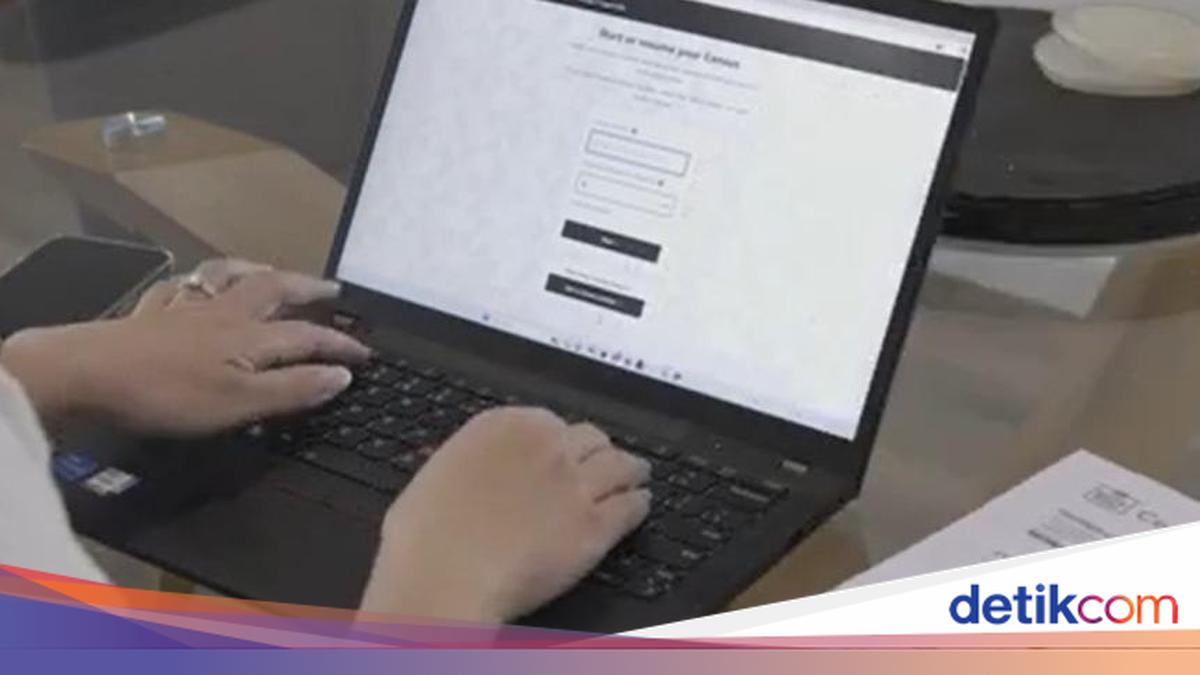
Australia has just completed its census, which is conducted by the Australian Bureau of Statistics, or ABS, every five years.
Completing the census in Australia is mandatory for anyone in Australia on the night of 11 August, including international students and tourists. However, diplomats and their families are not required to participate.
To take part, residents can complete the census form online or request a paper form.
For those who have not completed it after 11 August, ABS officials say there is still time to do so.
“We ask everyone in Australia to complete the census form as soon as possible, based on who was at their home on census night, Tuesday 11 August,” an ABS spokesperson told ABC Indonesia.
Although there is a threat of fines of up to AU$364 per day for those who do not comply, they will not be immediately fined if they are late completing the census form.
“Census field officers will follow up with households that have not completed the census form in the coming weeks to ensure they receive assistance to complete the census and have all the information they need,” the ABS spokesperson said.
If ABS officers have contacted residents who have not done so and they still do not respond, a written warning will be issued before a fine is imposed.
Furthermore, providing false information when completing the census can also result in a fine of up to AU$3,640.
Meanwhile, those who are Australian citizens or permanent residents but were not in Australia on 11 August do not need to complete the census.
What is the collected data used for?
The ABS says answers in the census will help understand what Australia needs now and in the future.
“Having the right numbers means being able to provide the right services for the community,” the ABS spokesperson said.
The ABS explains there are several examples of how census data is used, particularly for communities with diverse cultural backgrounds in Australia.
For example, community organisations from diverse cultural backgrounds use the data to better understand growth and change in their communities, in order to plan and provide culturally appropriate services.
Local governments in Australia also use census data to understand the cultural and linguistic diversity in their areas, to tailor their communications to community members who would benefit from government services.
A number of media organisations can use census data to provide information in various languages and make it easily accessible.
As an example, the ABS says census data has helped the Adult Multicultural Education Services (AMES Australia) to assist newly arrived migrants and asylum seekers in Australia to find employment opportunities.
Census data provides a picture of where migrant communities are growing and where support services are most needed.
With this information, English language programmes can be better targeted in areas with high numbers of migrants, or help asylum seekers settle in areas with high employment opportunities.
The ABS also says the census data can help people in Australia be safer in the workplace.
With data obtained from the census, agencies such as Safe Work Australia can better understand the risks workers face to prevent workplace accidents and fatalities, including in the agriculture, transport, and construction sectors.
Census data can also provide a picture of which languages are most widely used in particular industries.
This information helps develop workplace safety information in various languages.
What questions are asked?
The questions on the form cover residential address, the number of people living at that address, and whether anyone at that address needs assistance due to disability or illness.
The census also asks about cultural background, country of birth, languages spoken other than English, and religion.
For the first time, the 2026 census will ask about sexual orientation for those aged over 16 to ensure what social services and programmes can be provided, according to the ABS website.
For employment, the census asks about type of job, main tasks in the job, salary, and how people travel to work.
The census will also ask who was absent from the address on census night and the reason, whether the person was in hospital, staying at another address, or on holiday.
Type of dwelling, ownership status, including mortgage or rent costs, are also asked in the census, which according to the ABS website is to understand how housing costs affect household budgets and their ability to meet other essential needs.