
How 100 Romanian Hospitals Defeated a Cyberattack with Pen and Paper
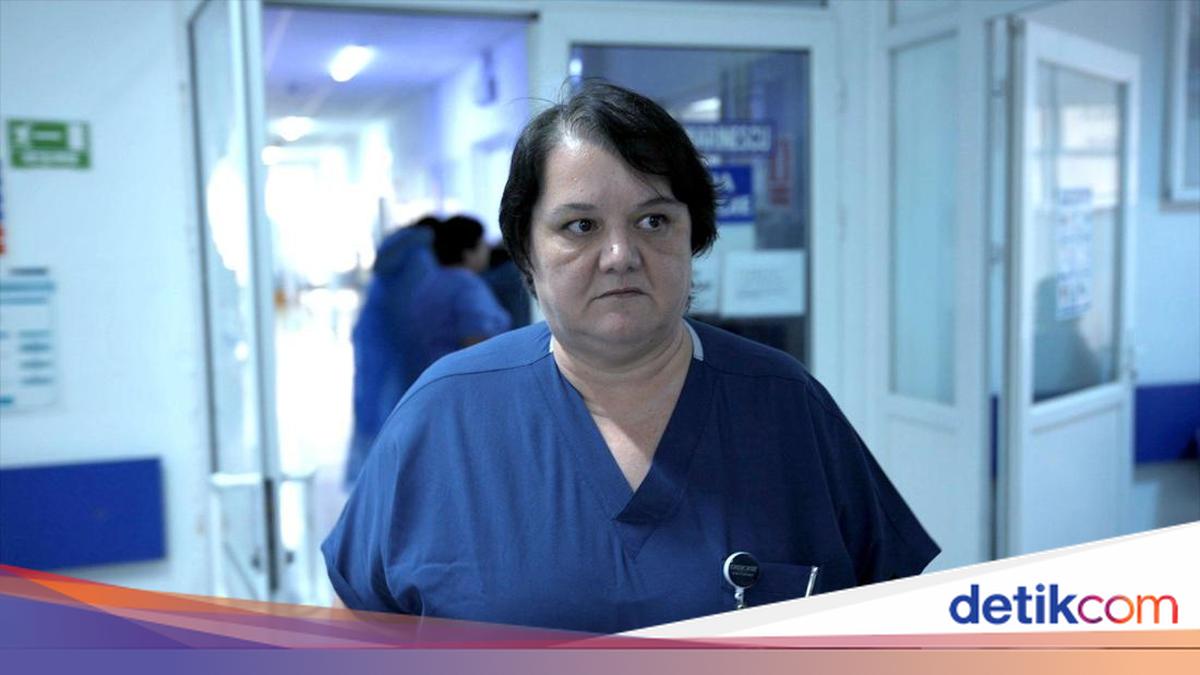
One by one, calls began coming in from hospitals. Cybercriminals had breached computer networks in a mass hack that endangered many lives.
At the National Cyber Security Directorate (DNSC) in Bucharest, officials watched helplessly as hackers attacked all of Romania through software widely used in healthcare services. Romania’s cyber chief, Dan Cimpean, faced a difficult decision, but it was the only option available.
Orders were sent to more and more than 100 hospitals: Disconnect from the internet, now.
The cyberattack on several Romanian hospitals in February 2024 was one of the worst. While such attacks target healthcare systems worldwide, incidents like this are becoming increasingly common. Healthcare has now become the most targeted sector of critical national infrastructure, according to recent FBI reports.
Disconnecting 100 Romanian hospitals from the internet halted the hackers’ progress and provided authorities with time to assess the severity of the attack. However, the consequence was that no electronic devices, emails, or web browsers could be used. Medical personnel had to switch to pen and paper while IT teams worked tirelessly and the national cyber response centre sought ways to stop the hackers.
The actions taken by the staff from 10 February 2024 onwards, alongside the efforts of doctors and nurses, have received widespread praise. Their response is now becoming an international example for disaster planners seeking guidance on responding to mass hospital hacks.
Surgeon Oana Goidescu was on duty at Buzu Hospital, 120 kilometres northeast of Bucharest, when the alert arrived that hackers had breached the Bucharest-based software company, RSC, and infiltrated the widely used medical system known as Hippocrates. “The experience was quite unpleasant, because IT records are not just a list of patients,” she said. “For every patient, there are laboratory tests, radiology, medications, and supplies. All of that was gone.”
Hippocrates is used by doctors, nurses, and surgeons to manage everything from patient admissions to payroll, pharmaceutical logistics, and test results. Silently, the cyber attackers began infecting hospitals across Romania using the Hippocrates system with a type of ransomware called BackMyData. Files were encrypted and rendered unreadable, with demands for ransom in Bitcoin.
By dawn on Monday, many other hospitals reported that the Hippocrates system was non-functional. While hospitals were offline, cyber experts worked with the creators of Hippocrates to determine how many systems were infected and to expel the hackers.
Hospital doctors responded by creating solutions to protect patients until systems returned online. “When we saw that the system would not be repaired immediately, we developed offline methods so we could record every patient,” said Vlad Paic from Carol Davila Hospital in Bucharest. “We asked laboratories to provide results in paper form. We used Excel and other offline tools to ensure care was not affected.”
Some doctors noted that returning to more analogue processes was aided by Romania’s relatively recent transition to digital systems. Cyber investigators worked through the night and discovered that 26 hospitals had been infected with BackMyData.
The following day, uninfected hospitals were reconnected with additional protections. The DNSC stated that part of the operation’s success lay in how they used the media to communicate with hospitals and the public. Messages to the public encouraged patients to avoid hospitals unless necessary.
“We were asked, ‘What if it is your mother?’ People had a right to be angry, but we tried to explain that it was not our fault,” said a spokesperson. Another crucial message was that hospitals should not contact the hackers or pay the ransom.
The hackers demanded 160,000 in Bitcoin, but the Romanian government decided not to pay the ransom. In the hospitals that remained offline, IT teams worked to restore systems from data backups. Most had relatively recent copies—a vital lesson, as regular backups allow organisations to recover faster.
Within five days, most hospitals were back online and operating almost normally, with no reports of deaths or serious impacts on patients. It took weeks to input all the new information recorded on paper during the disruption, and some data was lost forever. Police have not commented on their investigation into those behind the attack. However, last year, the website of a ransomware group linked to BackMy Data was shut down in an international operation, resulting in the arrest of four Russian citizens outside of Russia.
Cimpean stated that such attacks could happen anywhere. “The more technology you have, the more digitised you are, the greater the risk,” he said. Last year, the UK’s National Health Service (NHS) confirmed that a hack on a blood testing company affecting dozens of medical centres in London contributed to a patient’s death, marking the first case where a death was officially linked to a cyberattack.
Source: jawawa.id (https://jawawa.id/newsitem/how-100-romanian-hospitals-defeated-a-cyberattack-with-pen-and-paper-1782733984)
Originally published by detikcom (https://news.detik.com/bbc-world/d-8552527/kisah-100-rumah-sakit-pakai-bolpoin-kertas-demi-kalahkan-serangan-siber), translated from Indonesian