
Houthis Deny Plans to Impose Ship Tariffs in Bab al-Mandab Strait, Route Remains Free
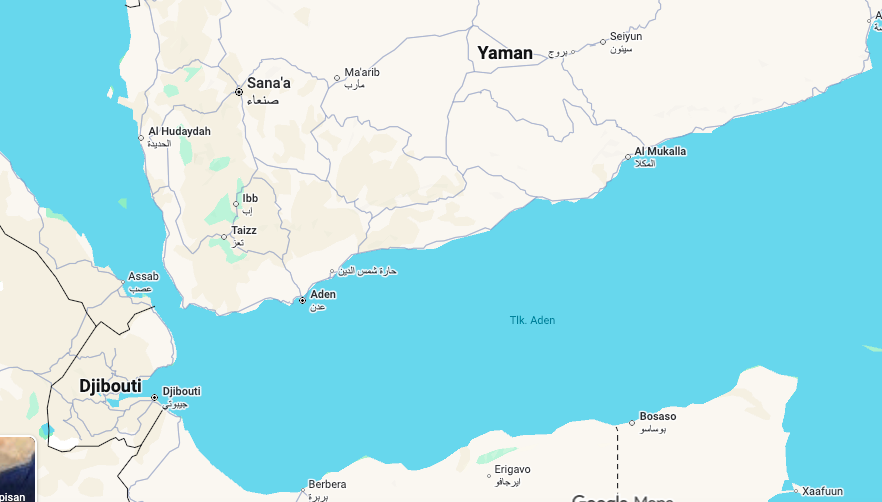
The Houthi group in Yemen has denied reports claiming they plan to impose tariffs on commercial ships traversing the Bab al-Mandab Strait. In a statement released on Saturday (1/8), the Houthis conveyed that navigation through this strategic route can continue without any fees.
The statement was issued via the Humanitarian Operations Coordination Centre (HOCC), an agency managed by the Houthis to coordinate communications regarding shipping activities in the region. The HOCC emphasised that, as of now, there are no decisions or plans under consideration to implement transit tariffs for vessels passing through the Bab al-Mandab Strait. According to the HOCC, the ‘Safe Passage’ service provided to shipping companies is voluntary and free of charge.
This service aims to provide confirmation to vessels not included in the Houthi maritime embargo list, allowing them to traverse the Red Sea, Bab al-Mandab Strait, the Gulf of Aden, and the Arabian Sea more safely. The centre explained that shipping companies seeking certainty regarding their status may register their vessels; however, the HOCC maintained that ships not targeted by the embargo can still pass through even without registration.
Furthermore, the HOCC warned shipping companies to be cautious of parties impersonating the agency to demand payments or obtain specific information. “Any individual or entity requesting payment in exchange for passage through the Bab al-Mandab Strait does not represent this centre,” the HOCC stated.
This statement comes amidst increasing global attention to the security of shipping lanes in the Red Sea region. Previously, on 20 July, the Houthis announced a ban on ships with links to Saudi Arabia traversing the Red Sea, stating the policy was a response to an alleged blockade by Saudi Arabia against Houthi-controlled territories in Yemen.
The Bab al-Mandab Strait is one of the world’s most vital shipping lanes, connecting the Gulf of Aden to the southern Red Sea and serving as a primary route for international trade and energy distribution to and from the Suez Canal.
The conflict in Yemen has persisted since late 2014, when the Houthi group seized the capital, Sanaa, and much of northern Yemen. This situation subsequently triggered a military intervention by a Saudi-led coalition in 2015 to support the internationally recognised Yemeni government. Recent escalations include Houthi claims of missile and drone attacks on Aramco facilities in Yanbu and Jazan, marking the first attacks on Saudi Arabia since 2022.