
Houthis Attempt to Mimic Iran's Hormuz Strategy in the Red Sea
The situation in the Middle East has heated up once more as the conflict between Iran and the United States continues unresolved. The Houthi rebel group is now set to follow Iran’s example by seeking to monopolise a strategic global trade route.
In its conflict with the United States and Israel, Iran is known to have closed the Strait of Hormuz to international vessels. That policy now appears to be being copied by the Houthis, who are set to impose a similar strategy in the Red Sea after announcing a naval blockade of Saudi Arabia.
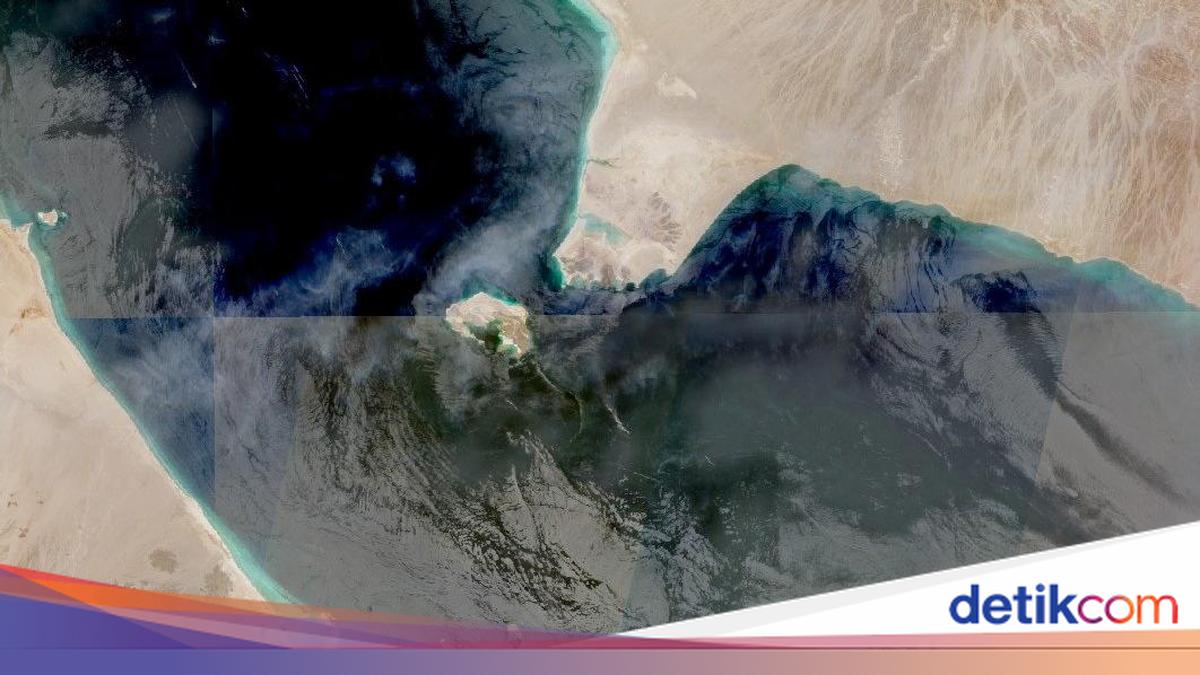
The Yemen-based group is assessed to be attempting to control shipping traffic through the Bab el-Mandeb Strait, the gateway to the Red Sea.
“The Houthi group wants to imitate the Iranian model, and this step would close two major straits that serve as gateways to the Gulf and the Red Sea,” said Afrah al-Zouba, foreign minister-designate of the internationally recognised Yemeni government, speaking to journalists, as reported by Al Jazeera and AFP on Tuesday (28 July 2026).
Al-Zouba said the actions of the Iran-backed rebel group were “in step with” the escalation being stirred up by Iran across the Middle East region.
Speaking at the Yemeni Embassy in Riyadh, Saudi Arabia, on Monday (27 July) local time, Al-Zouba said the Houthis were growing bolder because of the lack of an adequate international response to the group’s activities in the region.
The Strategic Position of the Bab el-Mandeb Strait
The Bab el-Mandeb Strait connects the Red Sea with the Gulf of Aden and the wider waters of the Indian Ocean.
Much like the Strait of Hormuz, the bulk of the global economy is deeply tied to the smooth flow of maritime traffic passing through the Bab el-Mandeb Strait. Around 30 per cent of the world’s container traffic, and as much as 12–15 per cent of total global trade, passes through the Red Sea route.
Yemen’s geography gives whoever controls the west of the country a dominant influence over shipping traffic in the Bab el-Mandeb Strait.
Data shows that shipping activity in the Red Sea has already begun to decline, with only 11 commodity carriers passing through the waterway in the week to Sunday (26 July) local time.
Al-Zouba’s remarks came amid rising tensions between the Houthis, Saudi Arabia and the internationally recognised Yemeni government.
In early July, the Houthis announced a maritime blockade on shipping in the Red Sea, particularly for vessels sailing to and from Saudi ports. The group also launched missile and drone attacks on Saudi territory.
Since then, Riyadh has carried out air strikes on Hodeidah, an important Yemeni port city held by the Houthis.
The escalation of the conflict this July is the largest since a ceasefire agreement was reached in 2022, and comes as Iran has resumed hostilities with the United States.