
Houthi Mosquito Fleet Strategy: The Threat of Fast Boats in the Red Sea
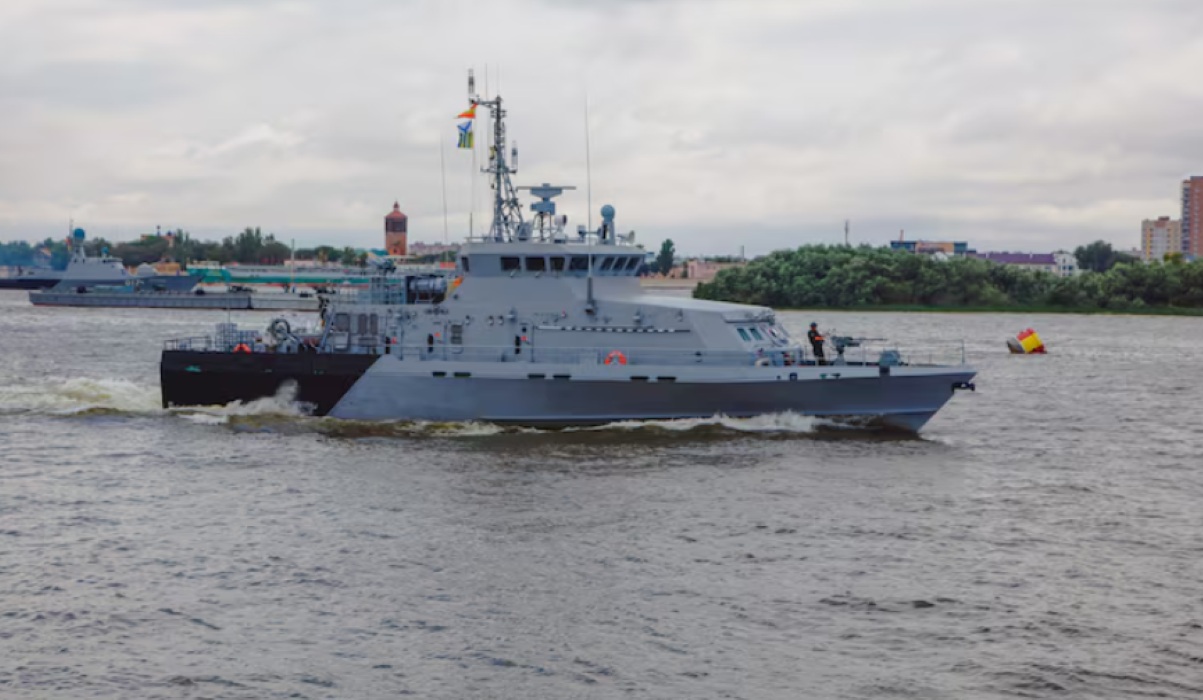
Amid the sophistication of 21st-century military technology, old tactics are once again haunting global trade routes. The Houthi group in Yemen, officially known as Ansar Allah, has transformed the Red Sea into an asymmetric battlefield through the use of a mosquito fleet. This consists of a collection of small, fast attack boats that are difficult to detect even by the most advanced warship radars.
Up to mid-2026, the Houthi military campaign has struck at least 26 commercial vessels. One of the most dramatic incidents was the sinking of the bulk carrier Rubymar in early 2024 after it was hit by a missile, causing a fertiliser spill into the Red Sea waters. However, behind the headlines about missiles and drones, the most difficult threat to counter comes from these nimble small boats.
Defence analysts use the term mosquito fleet to describe a naval doctrine in which a weaker force does not challenge the enemy directly. Instead, it disperses into dozens of cheap platforms that can sting, scatter, and regenerate quickly.
These fast boats have unique tactical advantages:
This situation exploits the weaknesses of the US$2 billion Aegis destroyer, which is not designed to chase small targets one by one in shallow, cluttered littoral zones full of civilian contacts.
Although the United States launched Operation Prosperity Guardian and deployed B-2 Spirit stealth bombers to strike Houthi weapons depots in October 2024, the mathematics of this war remain unbalanced.
This cost asymmetry is at the core of the problem. The US Navy can win every individual battle, but it expends its interceptor missile stocks far faster than the defence industry can replenish them.
Disruptions in the Bab el-Mandeb Strait, which channels about 12 percent of global seaborne trade, have forced shipping giants like Maersk and MSC to reroute via the Cape of Good Hope in South Africa. This diversion adds 10 to 14 days to transit times and significantly increases fuel costs.
For seafarers, the Red Sea has become the world’s most dangerous waters. The seizure of the Galaxy Leader and the deaths of three crew members aboard the True Confidence in March 2024 serve as stark reminders of the life risks behind this energy crisis.
Experts assess that three things could change the calculus of this conflict: a permanent ceasefire in Gaza, stricter interception campaigns against Iranian arms supplies, or adaptation of new technology by the US such as cheaper directed-energy weapons (lasers).
Until one of these occurs, the Houthi mosquito fleet will continue to sting the world’s trade lifeline. This proves that low-cost forces can exert significant pressure on the world’s most powerful military.