
Housing KUR Contracts in Central Java Dominated by Demand Side, Says Ministry
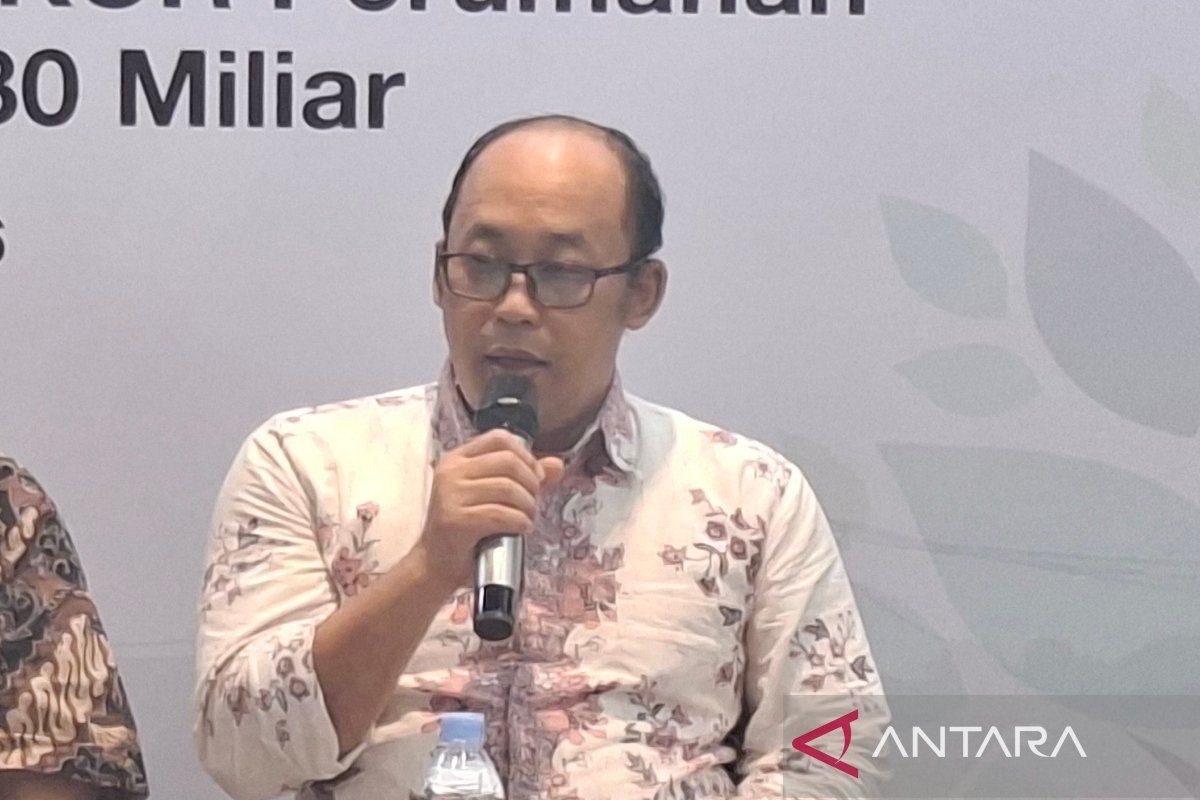
Of the Rp880 billion, according to our data, the majority comes from the demand side rather than the supply side. There are 6,873 debtors on the demand side, while the supply side accounts for 227 debtors.
Jakarta (ANTARA) - The Ministry of Housing and Settlement Areas (PKP) revealed that the planned Housing People’s Business Credit (KUR) signing worth Rp880 billion in Batang Regency, Central Java, on 30 July 2026 will be dominated by debtors from the demand side.
“Of this Rp880 billion, according to our data, most comes from the demand side rather than the supply side. There are 6,873 debtors on the demand side, while the supply side has 227 debtors,” said Achmad Purwo Hardjanto, Head of the Housing Financing Sub-Directorate at the PKP Ministry, during a press conference in Jakarta on Friday.
According to him, the reason the demand side outnumbers the supply side is that the credit values on the demand side are relatively far smaller than those on the supply side.
BP Tapera is once again organising a mass signing ceremony for the Sejahtera FLPP (Housing Financing Liquidity Facility) subsidised mortgage programme, a key handover, and the Housing KUR signing worth Rp880 billion with the President of Indonesia in Batang Regency, Central Java, on Thursday (30 July).
This time, with a similar concept, the mass signing is being held on a larger scale with a new theme: a mass signing and key handover covering 62,000 subsidised mortgage units and Rp880 billion in Housing KUR.
For the Rp880 billion Housing KUR signing, there are 7,100 participating debtors in total, comprising 6,873 demand-side debtors and 227 supply-side debtors. Of that number, 200 debtors will attend in person to carry out the signing.
From each category of participants, 10 recipients of both subsidised mortgages and Housing KUR will receive keys symbolically from the President.
The subsidised mortgage recipients receiving symbolic keys come from a variety of professions, both with fixed and non-fixed incomes, including online motorcycle taxi drivers, religious leaders, domestic workers, teachers, nurses, members of the Indonesian National Armed Forces and National Police, and herbal medicine sellers.
Meanwhile, the Housing KUR beneficiaries come from both individuals and the business community.