
Housing Backlog in 2026 Drops to 9.29 Million Units
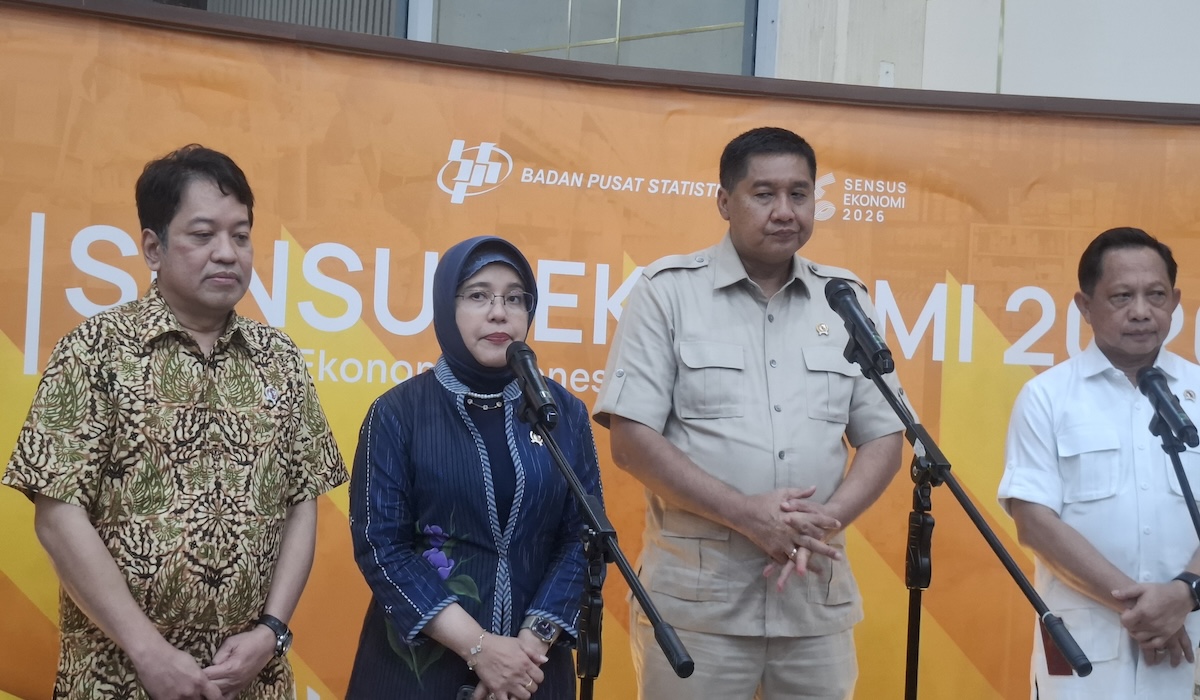
Head of the Central Statistics Agency (BPS) Amalia Adininggar Widyasanti has revealed that, based on the 2026 National Socio-Economic Survey (Susenas), Indonesia’s housing backlog has declined significantly. The number of people who do not yet own a home, or backlog category one, reached 9.29 million, down by around 350,000 compared with the previous year.
The data was obtained through the 2026 Susenas, which covered 345,000 samples across 38 provinces. This decline is a positive indicator in efforts to provide housing for the public nationally.
“The category one housing backlog in 2026 stood at 9.29 million, down 350,000 from the previous year,” Amalia said on Thursday (13/8).
In percentage terms, the category one housing backlog also shrank from 13% in March 2025 to 12.39% in March 2026. This downward trend indicates improving access to home ownership, which the government continues to promote.
In addition, the category two housing backlog, which describes occupied dwellings that do not yet meet adequate standards, also recorded an improvement. In 2026, this figure stood at 24.03%, or around 18.01 million, down from 25.33%, or around 18.77 million, in 2025.
“Both the category one and category two housing backlogs have improved, or in numerical terms have declined,” Amalia added.
Nevertheless, Amalia stressed that the category two housing backlog is still around twice as large as category one. This shows that the main challenge in housing development today is the provision of adequate and evenly distributed housing.
By region, 37 of Indonesia’s 38 provinces managed to reduce the category two housing backlog. West Java was recorded as the province with the highest figure, while North Kalimantan was the lowest, with around 33,000.
Minister of Housing and Settlement Areas (PKP) Maruarar Sirait said the improvement was driven by a new policy on the Financial Information Service System (SLIK) in force since 1 July 2026. The policy limits the recording of non-performing loans below Rp1 million, making it easier for low-income people to access subsidised housing.
“The result after the implementation of SLIK is that it has already increased by 40,000 units,” Maruarar said. This administrative measure is part of the strategy to accelerate the 3 Million Houses Programme launched by the government to remove barriers for ordinary people.
In line with this, Minister of Home Affairs Tito Karnavian is encouraging regional heads to be more active in allocating housing budgets in their respective regions. This step is considered crucial for reducing extreme poverty through the provision of adequate housing.
Tito also stressed the importance of collaboration with the private sector as the main engine for accelerating housing provision. Synergy between the central government, regional governments, and the private sector is expected to continue reducing the housing backlog in line with the direction of President Prabowo Subianto.
Although the trend shows a decline, BPS notes that a major challenge remains in the category two backlog, which is twice as large as category one. This shows that the development focus is not only on ownership, but also on the equitable distribution of adequate housing quality across all provinces.