
Household Waste Gives Women in Papua’s Wondama the Chance to Grow Vegetables Again
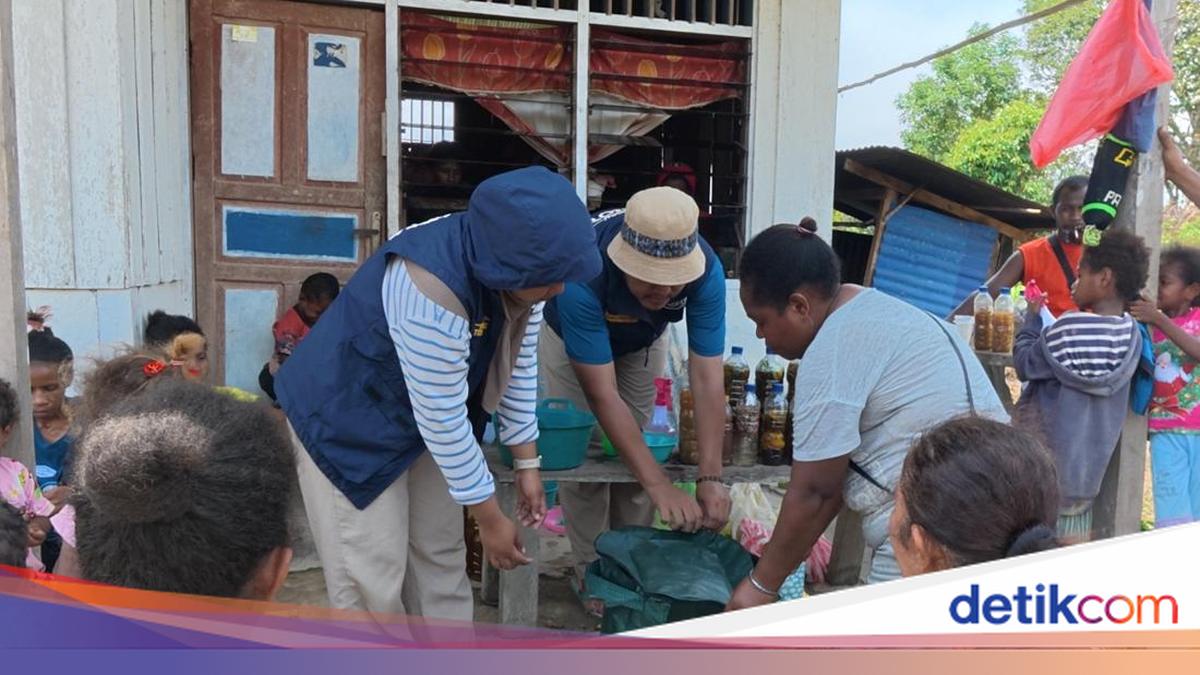
Women in Teluk Wondama, West Papua, are now smiling with relief. Their hopes of growing vegetables in their home gardens are becoming a reality with the help of organic fertiliser made from waste.
The women learned from the University of Indonesia’s Patriot Expedition Team (TEP UI) how to turn kitchen waste into eco-enzyme and leaves into compost.
“Household waste is no longer thrown away. Since the team came, we have been processing it to fertilise plants in our yards and reduce rubbish. Before, we would just burn grass and put the ash around the trees,” said Mama Olhal Netennya, one of the participants in the programme, in a written statement on Sunday (8 November 2026).
“We hope we can share this experience with others so that everyone can take part in growing things,” she added.
The programme began after the team observed strong interest in farming among residents of Tamoge, despite obstacles including poor soil fertility and the high cost of agricultural supplies.
“Residents are very keen to grow vegetables if they are given support, but the soil is not fertile enough. So we took the initiative to process household waste to improve the soil,” said TEP UI member Rathalia.
Twenty women from Settlement Units (SP) 1 and 2 in Tamoge, within the Werianggi Transmigration Area, took part. The location is about four hours from Wasior, the nearest town, and the Environmental Agency had not previously provided waste-management outreach or assistance there.
The women use kitchen waste such as fruit peels and vegetable trimmings to make eco-enzyme. They dissolve 100 grammes of palm sugar in one litre of water, then mix it with 300 grammes of finely chopped organic waste.
The mixture is stored in a tightly sealed container in a shaded place for three months. The lid is opened occasionally to release gas. The resulting liquid is used to nourish plants, clean floors and reduce odours from rubbish bins.
Organic waste that cannot be used to make eco-enzyme is mixed with dry leaves to produce compost.
The women have now begun growing chillies, tomatoes, aubergines and mustard greens in their own gardens, without relying on costly chemical fertilisers and pesticides.
The initiative is in line with President Prabowo Subianto’s call for fertiliser self-sufficiency to support national food self-sufficiency.
“Once we free ourselves from dependence on fertiliser from abroad, we will become a very, very strong nation,” Prabowo said.
In keeping with Prabowo’s direction, Coordinating Minister for Infrastructure and Regional Development Agus Harimurti Yudhoyono (AHY) said TEP should not merely identify problems on the ground, but also deliver practical solutions for communities.
“We must not let the Patriot Expedition team go into the field and listen to the community, only to stop at identifying problems. We must provide the best solutions: relevant, feasible and sensible,” AHY said.
Similarly, Transmigration Minister M Iftitah Sulaiman Suryanagara said TEP’s presence should leave communities with tangible, sustainable benefits.
“Do not just leave a report. Leave something of lasting value,” Iftitah said.
“Leave solutions. And most importantly, leave benefits that communities can continue to experience,” he concluded.
Source: jawawa.id (https://jawawa.id/newsitem/household-waste-gives-women-in-papuas-wondama-the-chance-to-grow-vegetables-again-1794106287)
Originally published by detikcom (https://news.detik.com/berita/d-8743357/modal-sampah-mama-mama-di-wondama-papua-girang-bisa-tanam-sayur-mayur-lagi), translated from Indonesian