
Household Consumption Remains the Mainstay of Economic Growth in Q1-2026
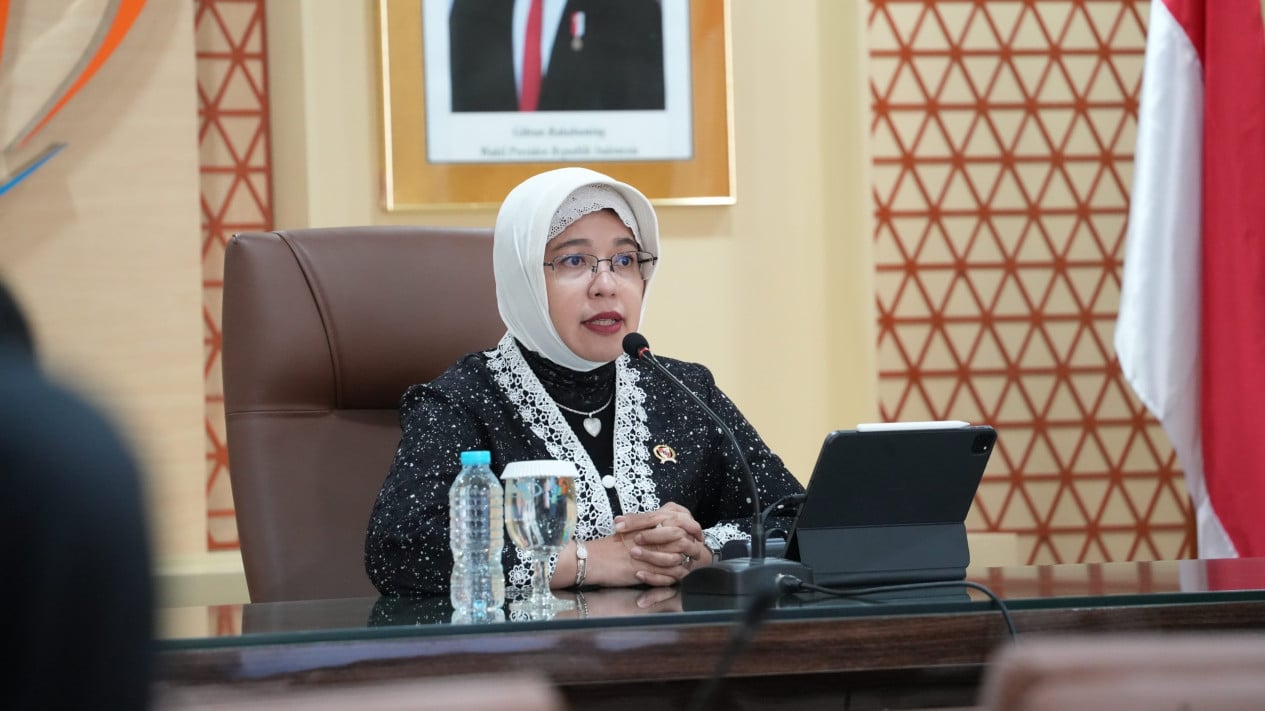
Head of the Central Statistics Agency (BPS), Amalia Adininggar Widyasanti, stated that from Indonesia’s economic growth of 5.61% year-on-year in the first quarter of 2026, household consumption remains the main contributor with a share of 2.94%.”Household consumption performance in the first quarter of 2026 was mainly driven by increased population mobility during national holidays and major religious events such as Nyepi and Eid al-Fitr,” said Amalia during a teleconference on Tuesday, 5 May 2026.On the other hand, consumption was also supported by several inflation control policies and government stimuli. For example, transport ticket discounts, the provision of THR or 14th-month salary, and setting the BI rate at 4.75%.Amalia detailed that the highest household consumption growth occurred in the restaurant and hotel expenditure group, which grew 7.38%. She stated that this aligns with increased tourism activities during the holiday period.Besides household consumption, she reported that another component driving economic growth in the first quarter of 2026 from the expenditure side is Gross Fixed Capital Formation (PMTB), which grew solidly by 5.96%.”Driven by government investment, including construction related to national priorities and private investment,” she said.Then, Amalia also reported that government consumption was recorded to grow 21.81%, in line with increased realisation of employee expenditure through 14th-month salary payments (THR). This was also supported by increased spending on goods and services, particularly through the Free Nutritious Meals (MBG) programme.Meanwhile, from the business field side, the five sectors providing the largest contribution to Gross Domestic Product (GDP) in the first quarter of 2026 are Manufacturing Industry (19.07%), Trade (13.28%), Agriculture (12.67%), Construction (9.81%), and Mining (8.69%).Other sectors that also recorded high growth, for example, accommodation and food and beverage, which grew 13.14%, driven by the expansion of the MBG programme coverage and national holiday moments.”Then the other services sector grew 9.91%, in line with increased domestic tourist travel and visits by foreign tourists. Then the Transportation and Warehousing sector grew 8.04%, supported by increased community mobility,” said Amalia.Furthermore, continued Amalia, the Manufacturing Industry sector was recorded to grow 5.04% (yoy), driven by the food and beverage industry, metal goods industry, computers, electronics, optics and electrical equipment, as well as the chemical, pharmaceutical, and traditional medicine industry.