
Household Consumption Grows 5.04%, Remaining a Key Driver of Indonesia’s Economy
In the third quarter of 2026, household consumption grew by 5.04%, indicating that public consumption levels remained resilient.
Jakarta (ANTARA) - Statistics Indonesia (BPS) recorded year-on-year household consumption growth of 5.04% in the third quarter of 2026, maintaining its position as the main support for Indonesia’s economic growth, which reached 5.47% during the period.
On the expenditure side, household consumption made the largest contribution to national gross domestic product (GDP), accounting for 51.97%.
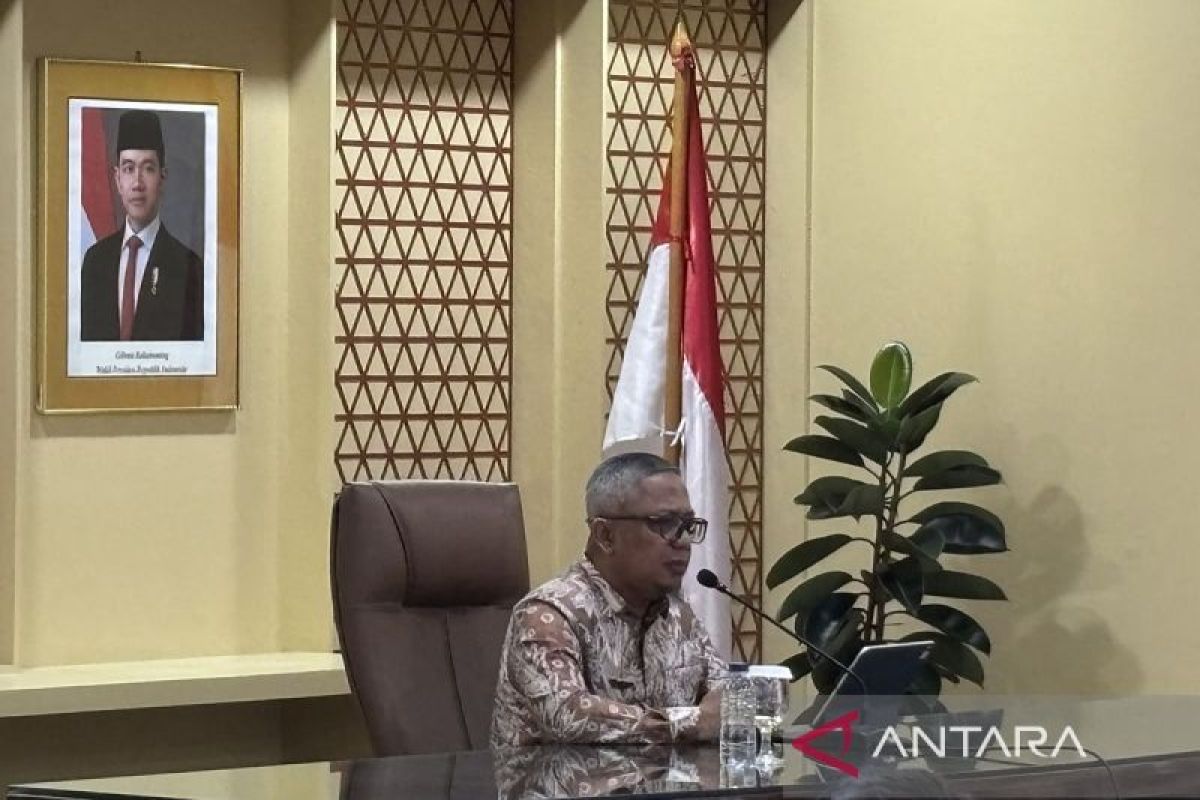
“This component grew by 5.04% in the third quarter of 2026, showing that public consumption levels have remained resilient,” BPS Deputy for Balance Sheets and Statistical Analysis M Edy Mahmud said at a BPS press conference in Jakarta on Thursday.
In terms of sources of growth, household consumption was also the biggest contributor to national economic growth, accounting for 2.62 percentage points of the total 5.47% growth.
Household consumption growth was mainly supported by increased spending on restaurants and hotels, which rose by 6.59%, and on transport and communications, up 5.83%. The latter was supported by household mobility and various performances and sporting events.
Outside household consumption, gross fixed capital formation (GFCF), or investment, also supported the economy, contributing 30.81% of GDP and growing by 6.06%.
The strongest GFCF growth was recorded in the vehicle subcomponent, which rose by 12.96%, covering both domestically produced and imported vehicles.
The positive GFCF performance was also said to be in line with a 7.59% increase in realised investment reported by the Investment Coordinating Board (BKPM).
Government consumption grew by 8.95%, exceeding the 5.66% growth recorded in the same quarter a year earlier. It accounted for 7.28% of GDP.
Edy said this development was in line with higher realised personnel spending, particularly salaries and allowances for state civil servants, as well as increased spending on goods and services. The latter was mainly driven by goods distributed to the public under the Free Nutritious Meals (MBG) programme.
Source: jawawa.id (https://jawawa.id/newsitem/household-consumption-grows-5-04-remaining-a-key-driver-of-indonesias-economy-1793861720)
Originally published by Antara (Indonesian) (https://www.antaranews.com/berita/5833407/konsumsi-rumah-tangga-tumbuh-504-persen-tetap-jadi-motor-ekonomi-ri), translated from Indonesian