
Household Appliance Companies Drive EV Transition and Clean Water Access
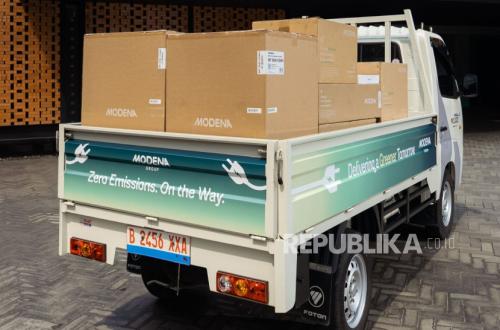
Several companies are strengthening sustainability measures through operational transformations and social programmes targeting environmental issues and basic community needs. One such example is the MODENA Group, which is driving change in the logistics sector by shifting from diesel-based vehicles to electric ones via its logistics subsidiary. This transformation occurs amid growing global pressure on the industrial sector to reduce carbon emissions, particularly from transportation and distribution activities, which are among the largest contributors to emissions. Through its logistics unit, the company has begun gradually electrifying its fleet. By the end of 2025, more than 20 per cent of the fleet had been converted to electric vehicles. This step is claimed to reduce operational emissions by up to 50 per cent, equivalent to approximately 2.3 tonnes of CO₂e since the initial implementation. Changes in the logistics sector are considered crucial, given that goods distribution in the electronics industry plays a key role in maintaining supply chain efficiency. Access to Clean Water Expanded In addition to operational transformations, the company is expanding access to clean water in public spaces by providing free drinking water points. By 2026, around 15 drinking water service points have been available in various locations in Jakarta and its surroundings. This programme is also being continuously expanded, including the addition of new points in public transportation areas and facilities. Throughout its implementation, more than one million litres of drinking water have been distributed to the public, while also contributing to reducing the use of single-use plastics. Promoting Waste Management Another effort is promoting waste management through collaboration with waste management platforms. Since early 2026, more than one tonne of waste has been collected and managed, dominated by cardboard, plastic, glass, and used cooking oil. This step demonstrates an increase in public awareness of more responsible consumption patterns, in line with the company’s push to build an environmentally friendly ecosystem. Global Pressure Drives Transformation The transformations undertaken by the company reflect a broader trend, where industry players are beginning to adapt to sustainability demands amid pressures from climate change and global regulations. In addition to environmental aspects, this approach is also part of a long-term strategy to maintain operational efficiency and competitiveness amid changes in the industrial landscape.