
House Special Committee Gathers Input from Maluku Government on Archipelagic Regions Bill
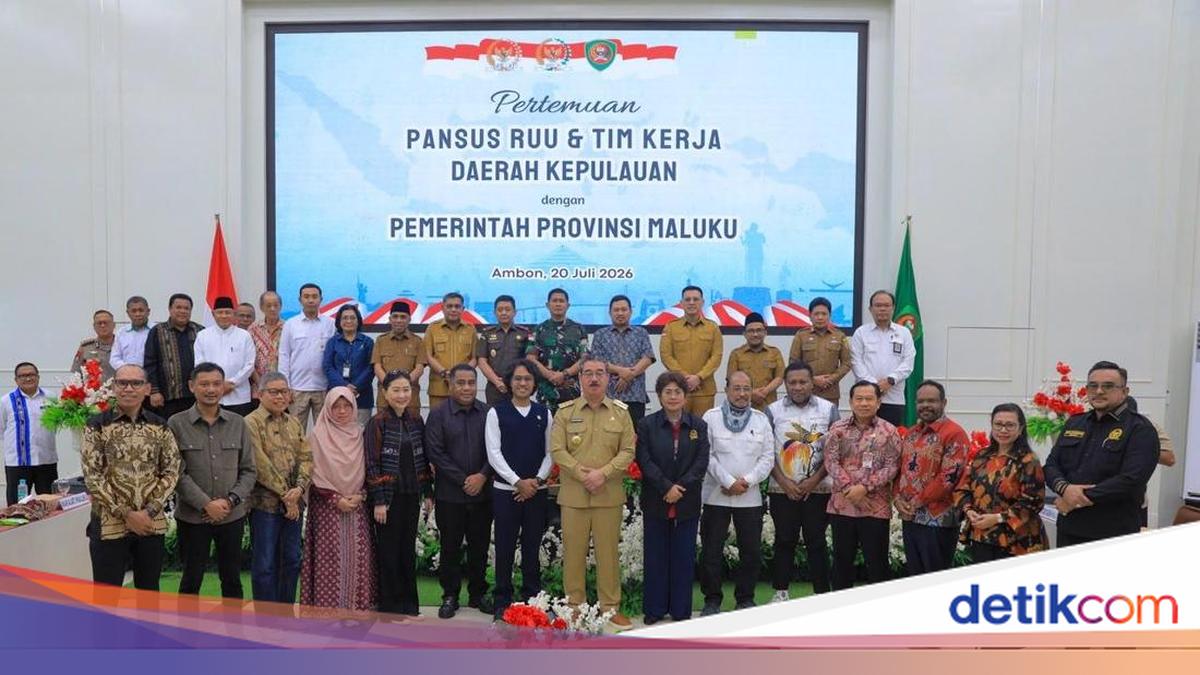
Deliberations on the Archipelagic Regions Bill (RUU Daerah Kepulauan) continue to progress. As the sponsor of the bill, the Working Team (Timja) of the Regional Representative Council (DPD RI), together with the Special Committee (Pansus) of the House of Representatives (DPR RI), has been gathering aspirations from the Maluku Provincial Government and regional stakeholders to ensure the regulation addresses the real needs of island communities.
The meeting with the Maluku Government forms part of efforts to enrich the substance of the Archipelagic Regions Bill, which is currently being deliberated jointly by the DPR Special Committee, the DPD Working Team and the Government. The various inputs submitted are expected to strengthen policy support for regions with archipelagic geographical characteristics.
Graal Taliawo, Deputy Chair of the DPD RI Working Team for the Archipelagic Regions Bill, emphasised that the struggle to introduce special regulations for archipelagic regions has been under way since 2017 and has now entered a crucial stage in the national legislative process.
“The effort to establish the Archipelagic Regions Law has been a long journey. After nine years of advocacy, deliberations have now entered an important stage together with the DPR Special Committee and the Government. However, what matters most is that this bill remains grounded in the real needs of archipelagic regions and the communities living there,” Graal said in his address in Ambon, Maluku, on Monday (20 July 2026).
Graal believes that visits to the regions are an important part of ensuring the bill’s substance can address the various problems long faced by island communities, ranging from inter-island connectivity and basic services to the management of maritime potential.
This view was supported by Maluku Governor Hendrik Lewerissa, who believes the Archipelagic Regions Bill is expected to produce policies more favourable to archipelagic regions.
“What we hope for from the Archipelagic Regions Bill is genuine support for island communities. Our challenges differ from those of mainland regions, from connectivity and transport costs to public services that must reach many islands. That is why we hope this bill can deliver fairer policies that truly address the needs of island communities,” Hendrik said.
Through this working visit, the various inputs received were considered aligned with the spirit championed by the DPR Special Committee and the DPD Working Team through the Archipelagic Regions Bill, namely to introduce more adaptive affirmative policies capable of addressing the distinctive challenges of archipelagic regions whilst promoting equitable development and improved welfare for communities across Indonesia.