
House Special Committee Finalises Special Fund Scheme for Archipelagic Regions Bill
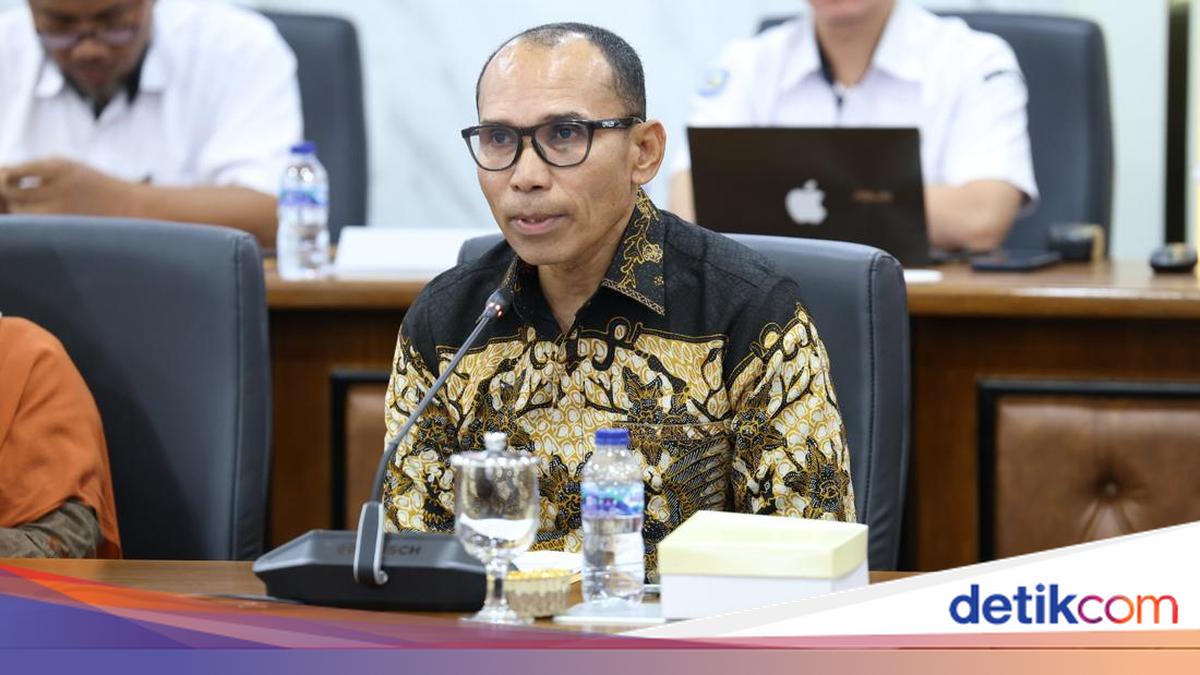
The House of Representatives’ (DPR RI) Special Committee (Pansus) for the Archipelagic Regions Bill is currently refining the formulation of a Special Fund for Archipelagic Regions. Committee member Alimudin Kolatlena stated that the scheme must be carefully designed to align with Law Number 23 of 2014 on Regional Government and not overlap with existing funding mechanisms. “This Special Fund for Archipelagic Regions is being pushed as an instrument to accelerate development in archipelagic areas. Because the characteristics are different, a different financing approach is certainly needed,” Alimudin said in a statement on Monday (10/8/2026).
Alimudin noted that the discussion on financial allocation is a crucial part of the bill. The goal is to ensure that once passed, the law will not merely remain a regulation but will have real implementation power.
Beyond development and financing, the special committee is also focusing on fulfilling the rights of local communities, coastal communities, and indigenous peoples. The Gerindra Party politician emphasised that development in archipelagic regions must respect the management areas of local communities and customary land rights that have been passed down through generations. “This bill is not only about harmonising administration and regulation, but also about harmonising economic systems and protecting customary land rights and local wisdom in archipelagic regions,” he asserted.
Alimudin explained that this aspect is vital to ensure that development does not create new problems for communities that have long been part of the coastal and archipelagic ecosystem. To meet the target of completing the bill by 2026, he hopes that all relevant ministries and institutions will strengthen coordination and align their perceptions on the bill’s substance, particularly regarding the design of financial allocation and the division of authority between central and regional governments. “The most important thing is that all relevant ministries and institutions have the same perception. If we can resolve this, especially the financial allocation issue, I am optimistic the deliberation process will proceed faster,” he said.
Alimudin believes that finalising the Archipelagic Regions Bill in 2026 will be a significant step in strengthening development policies that are fairer for all regions of Indonesia. He hopes that once the regulation is enacted, archipelagic communities will directly benefit, particularly through improved connectivity, public services, infrastructure, economic opportunities, and the protection of local community rights. “Our target is for this law to truly be present for the archipelagic communities. Therefore, I am very optimistic we can complete it in 2026 while ensuring the quality of its substance,” he concluded.