
House Questions Health Minister's Proposal to Include TB Patients in Free Meal Programme
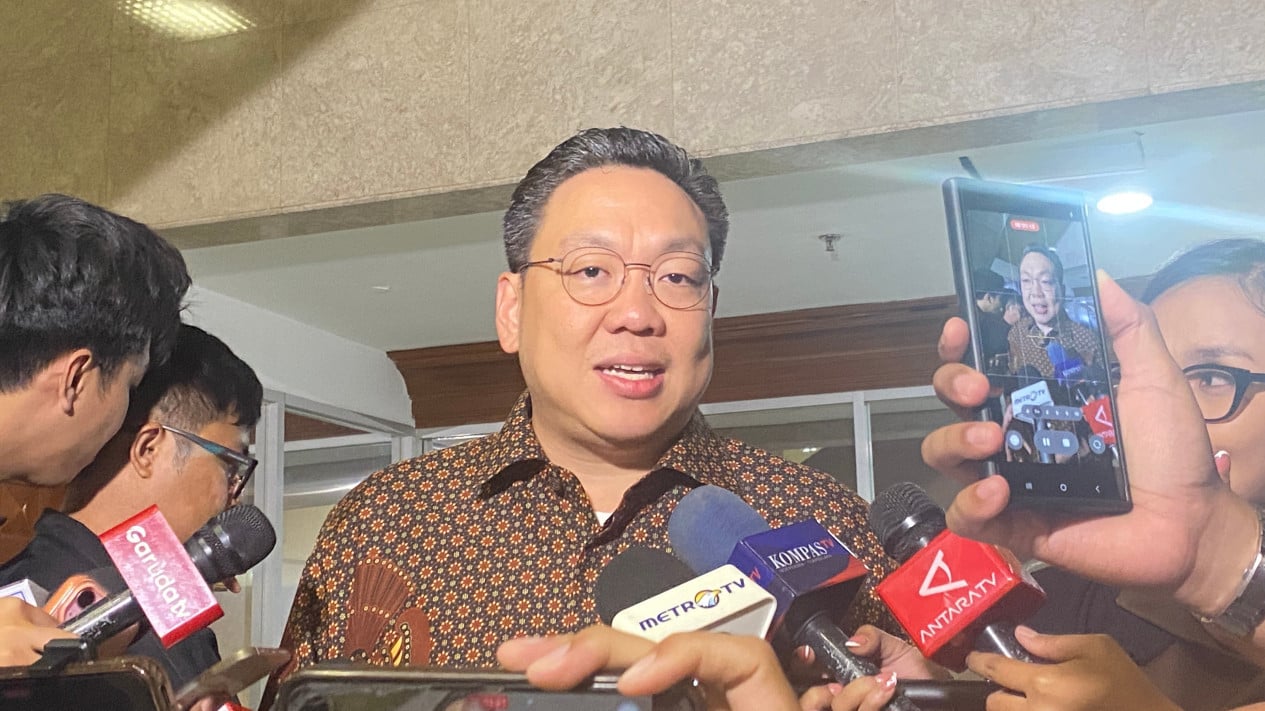
Jakarta – Deputy Chairman of House Commission IX, Charles Honoris, has responded to the Health Minister’s proposal that tuberculosis (TB) patients should receive the Free Nutritious Meal (MBG) programme. While he agrees with nutritional interventions for vulnerable groups, he believes the proposal needs further review. “I think this needs to be re-examined. Technically, I feel this will be very difficult,” Charles said at the Parliament Complex in Central Jakarta on Wednesday, 24 June 2026. He noted that not all TB patients live near a Nutritional Fulfilment Service Unit (SPPG) or MBG kitchen. “Perhaps there are other, more appropriate ways to provide nutritional intervention to TB patients. Not everything has to be MBG,” Charles explained. The PDIP politician added that every urban ward and sub-district already has a community health centre (puskesmas), where medical staff understand the necessary procedures for TB patients. “So there is no need to use the MBG programme to provide meals for TB patients,” he said. Previously, Health Minister Budi Gunadi Sadikin proposed adding TB patients to the list of MBG programme recipients. Budi revealed he was asked by the Head of the National Nutrition Agency (BGN), Nanik S Deyang, about priority groups that must receive MBG, and he suggested four groups. “I said there are actually four groups that are vulnerable to malnutrition from a health perspective,” Budi stated. “First, pregnant women; second, breastfeeding mothers; third, toddlers under five years old; and fourth, people suffering from TB.” He explained that research published in international journals shows this approach has already been implemented in India and China. “TB patients undergo treatment for 6 to 12 months, during which their physical resilience is weak,” Budi revealed. Receiving adequate nutrition can strengthen their immune system and help accelerate recovery. “And that saves lives because TB is deadly, isn’t it? Annually, there are around 126,000 cases; we are talking about two people dying from TB every five minutes in Indonesia,” Budi explained.