
House pushing for tourism development to become national program
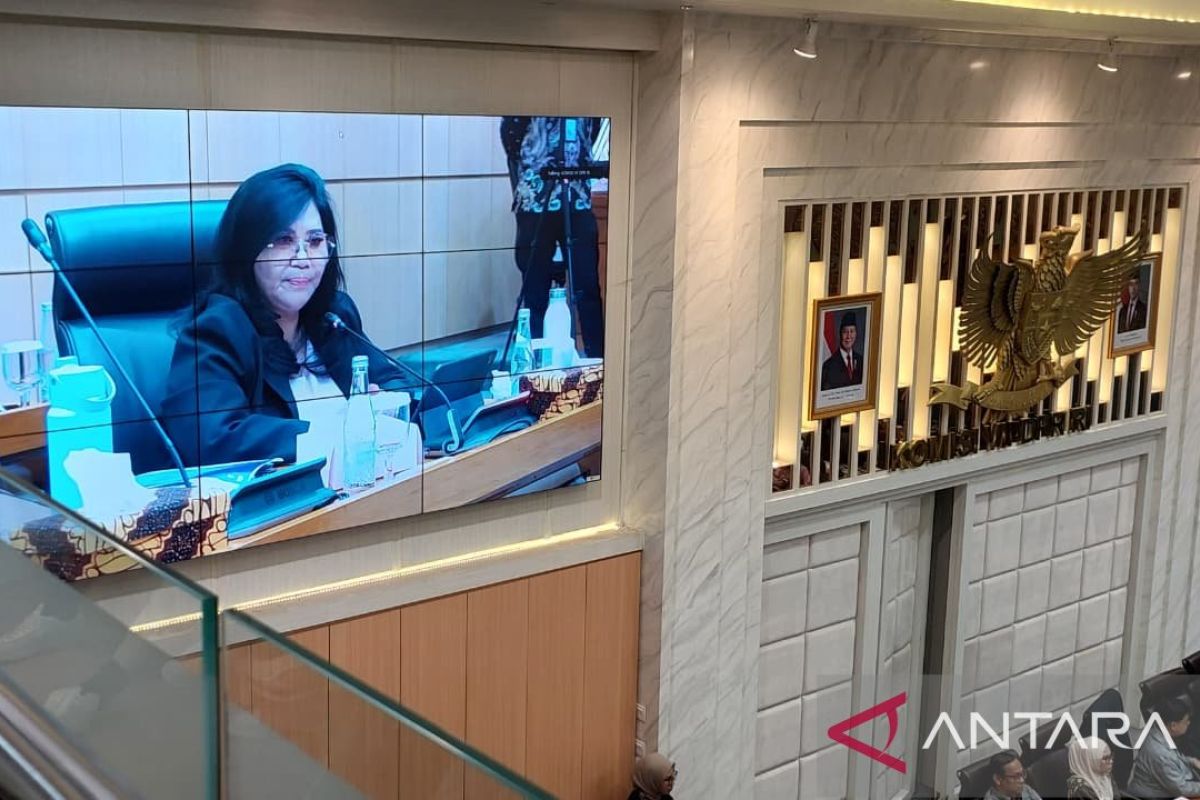
Nursanty, in her statement here on Thursday, argued that the various programs implemented by the government demonstrate a commitment to advancing the tourism sector.
However, the development of tourist destinations cannot be solely the responsibility of the Ministry of Tourism, as this sector requires support from the transportation, infrastructure, investment, and promotion sectors.
“When we talk about tourism development, destination development cannot be sectoral. It cannot be the sole responsibility of the Ministry of Tourism,” she said at a recent working meeting with the Ministry of Tourism.
“This must become a national strategic program for developing Indonesian tourism,” she added.
She highlighted the number of foreign tourist visits to Indonesia, which is still 4.68 million.
This number is still less than other countries in the region, such as Japan, which received more than 14 million tourists, Thailand around 11 million tourists, and Vietnam almost 9 million tourists in the same period.
Nursanty believes the government needs to identify issues that are hampering the growth of Indonesian tourism, ranging from flight connectivity, visa policies, investment, to inter-agency coordination.
“Is it a connectivity issue, visa issues, investment issues, promotion issues, or is it simply because cross-sector coordination is not yet optimal?” she said.
She also supports the government’s efforts to develop Super Priority Tourism Destinations (DPSP) as a strategy to reduce dependence on Bali, which currently contributes around 45-50 percent of foreign tourist visits.
“That’s why the government designed and established the DPSP, because for years, 45-50 percent of our foreign tourists have been concentrated in Bali,” she said.
However, she reminded that the success of DPSP should not only be measured by infrastructure development but also by the increase in the number of tourists, length of stay, level of tourist spending, and its impact on the welfare of local communities.
“Don’t let the DPSP only succeed in building infrastructure, but fail to build tourist flow,” she said.
Nursanty also supports the government’s steps to maintain a balance between environmental conservation, tourist safety, and the economic interests of communities in tourist destinations.
She argued that environmental conservation policies must go hand in hand with efforts to improve the welfare of local businesses and MSMEs.
“I absolutely agree, 100 percent, that conservation and tourism safety are non-negotiable,” she said.
She emphasized that the success of national tourism requires synergy from all stakeholders.
“If there are no airplanes, how will tourism develop? If the infrastructure isn’t built, how will we progress? So, this must be a national movement. It can’t be a sectoral one,” Nursanty said.
Related news: Govt encourage tourism village development in Anyer-Carita-Cinangka
Related news: Village co-ops to strengthen tourism villages, MSMEs: Deputy Minister
Related news: Govt pushes water taxi, pier development to support Bali’s tourism
Translator: Devi Nindy Sari Ramadhan, Katriana