
House Proposes Temporary Halt to Free Nutritious Meals Programme During School Holidays
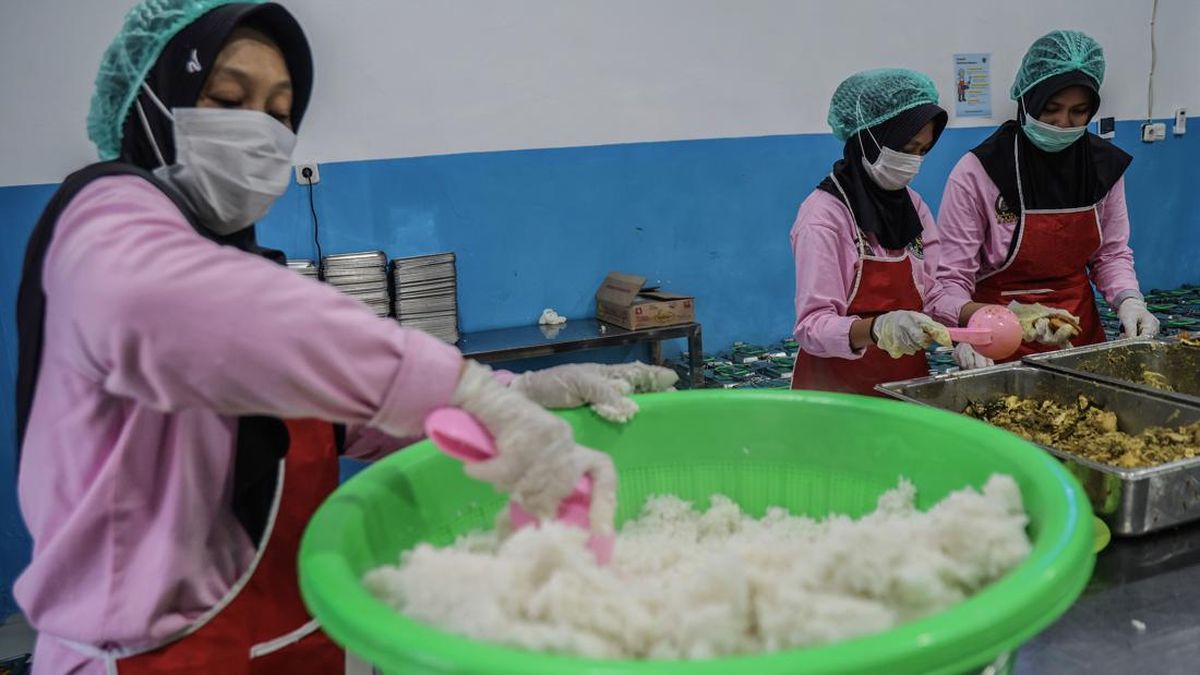
Commission IX of the House of Representatives (DPR) has proposed that the Free Nutritious Meal (MBG) programme be temporarily suspended during the school holiday period, which is set to run from 29 June to 10 July.
The proposal was put forward by the Deputy Chairman of Commission IX, Charles Honoris, in response to findings by the Coordinating Ministry for Food indicating budget wastage of more than Rp1 trillion per month within the programme.
Charles believes these findings serve as an alarm and a momentum for an immediate evaluation. “In my view, the upcoming school holidays can be utilised to temporarily halt the implementation of the MBG programme while a thorough evaluation of the programme’s governance is conducted,” Charles stated on Saturday (13/6).
He noted that the alleged wastage in the MBG programme cannot be taken lightly, especially as the government is currently facing fiscal pressure and significant budgetary requirements in other sectors. According to Charles, an evaluation must be carried out promptly so that the government can objectively assess the implementation of the MBG programme to date.
“During the evaluation period, the government needs to conduct an audit of all operating SPPG kitchens, covering aspects of food safety, food quality, budget efficiency, and procurement governance,” said the PDIP politician.
Charles added that during this evaluation, kitchens proven to fall below standards or those that have repeatedly caused cases of food poisoning must be closed permanently. He reminded that, to date, more than 40,000 children have fallen victim to food poisoning related to the MBG programme. Therefore, safety and service quality must remain the top priority.
Moving forward, he continued, the success parameters of the MBG programme should not merely be measured by the number of beneficiaries or the amount of budget spent. “What is more important is whether this programme truly succeeds in improving the nutritional status of children in need, is safe for consumption, and is managed efficiently and accountably,” he concluded.