
House Praises BI's Move to Partner with China, Rupiah Strengthens and Trade Transactions No Longer Rely on US Dollar
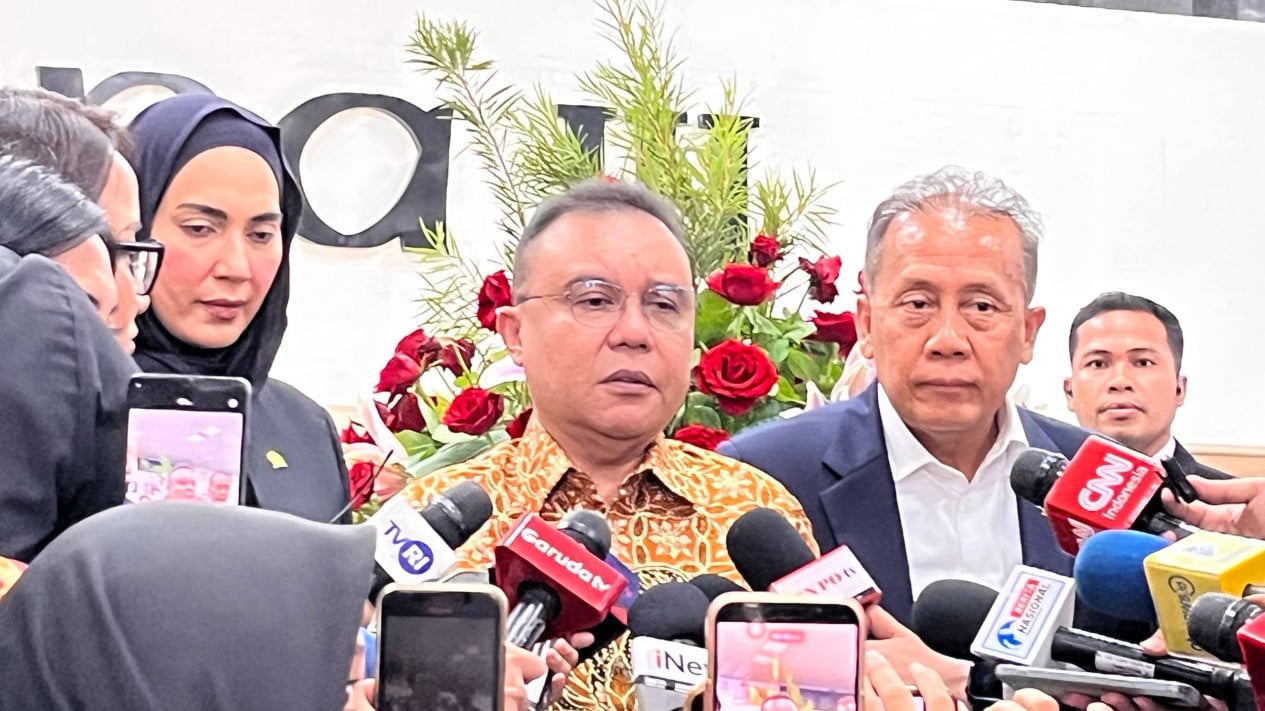
Deputy Speaker of the Indonesian House of Representatives (DPR RI) Sufmi Dasco Ahmad has praised Bank Indonesia’s (BI) strategic move to strengthen the rupiah exchange rate through a Bilateral Currency Swap Arrangement (BCSA) with China. He described the agreement as an important breakthrough in reinforcing national economic resilience while reducing dependence on the US dollar in international trade transactions. The BCSA agreement was signed by Bank Indonesia Governor Perry Warjiyo and People’s Bank of China (PBOC) Governor Pan Gongsheng in Shanghai, China, on Thursday, 11 June 2026. Dasco assessed that the cooperation demonstrates the seriousness of the government and monetary authorities in maintaining Indonesia’s economic stability amidst evolving global economic dynamics. According to Dasco, the agreement not only covers the BCSA but was also expanded through the signing of a Memorandum of Understanding (MoU) on Local Currency Transactions (LCT). The LCT cooperation was even extended to include Hong Kong through an agreement made with the Chief Executive of the Hong Kong Monetary Authority (HKMA), Eddie Yue. He explained that through this agreement, transactions between Indonesia, Mainland China, and Hong Kong can be conducted using their respective local currencies, namely the rupiah and renminbi, without having to rely on the US dollar as an intermediary currency. ‘The agreement means transactions between Indonesia, Mainland China and Hong Kong can be carried out using rupiah or renminbi without depending on the US dollar,’ Dasco said in a written statement on Sunday, 14 June 2026. Dasco believes that using local currencies in trade transactions will provide significant benefits for Indonesia. Besides strengthening the rupiah’s position, the mechanism is also considered capable of reducing the need for US dollars in export and import activities. With this cooperation, trade transactions between Indonesia and China can be conducted directly using each country’s currency. This is seen as an important step in expanding the use of the rupiah at the international level.