
House of Representatives urges fair e-commerce taxation that does not burden MSMEs
MSME players who have already fulfilled their tax obligations should not be burdened with additional levies on the same transactions simply because those transactions are conducted through digital platforms.
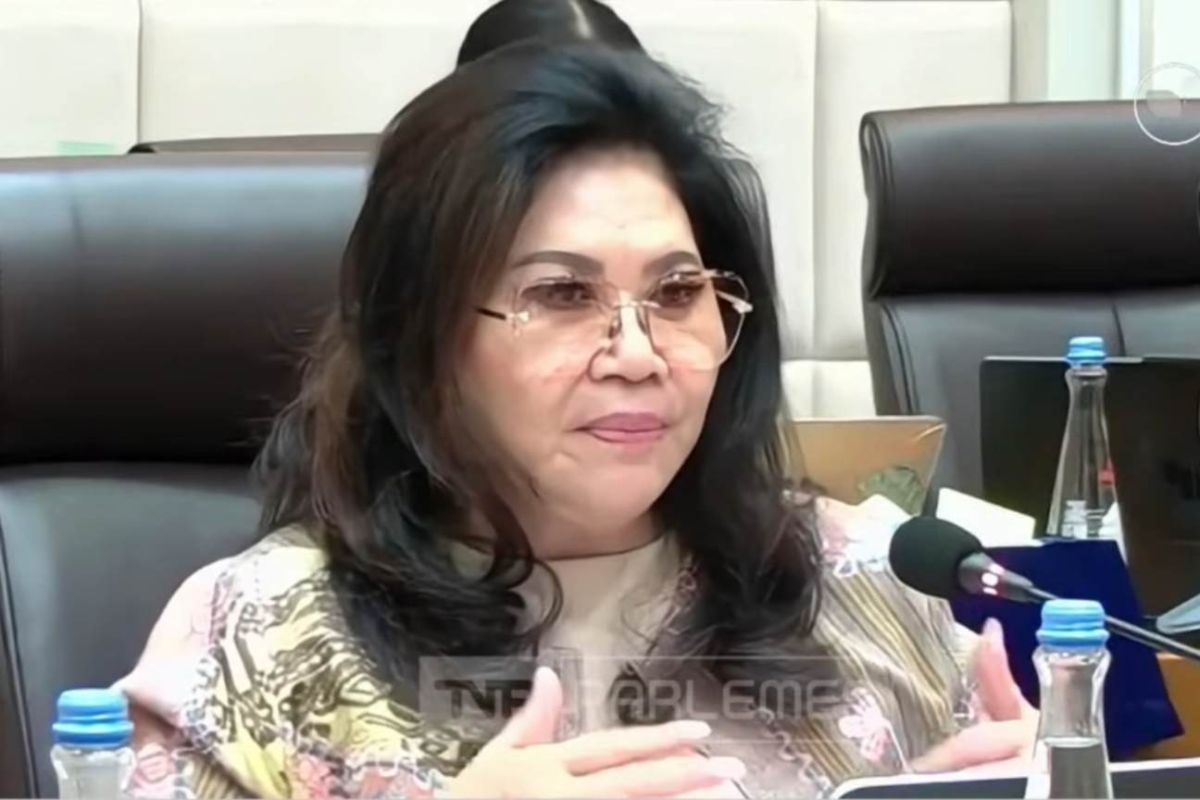
The Deputy Chair of Commission VII of the Indonesian House of Dis Representatives (DPR RI), Evita Nursanty, is urging the government to ensure that taxation policies for the e-commerce sector are implemented fairly and proportionally so as not to increase the burden on micro, small, and medium enterprises (MSMEs).
Evita stated that tax policy needs to create a level playing field between online and offline businesses, while simultaneously considering the conditions of MSMEs that are still in their growth stages.
“The principle is clear: taxes must be fair, transparent, simple, and data-driven. We must ensure that the digitalisation of trade does not result in MSMEs that are already compliant becoming the most burdened party,” Evita said in her statement in Jakarta on Wednesday.
Evita also requested that the government strengthen the integration of transaction and turnover data across platforms to prevent ‘split revenue’ practices, which can create loopholes in the taxation system.
However, she noted that such data integration must be designed without adding bureaucracy or administrative obligations for MSME players.
Furthermore, Evita emphasised the importance of preventing double taxation on MSME transactions that have already met their tax obligations.
“MSME players who have fulfilled their tax obligations should not be burdened with additional levies on the same transactions just because those transactions are conducted through digital platforms,” she said.
To this end, Evita encouraged the government to implement a single taxation mechanism, whereby every transaction is subject to tax obligations in accordance with applicable regulations without double taxation occurring between business actors, platforms, or other parties in the transaction chain.
She also proposed the development of a single data framework that integrates transaction data from various platforms securely, so that turnover calculations can be performed based on accurate data.
Evita also urged the provision of a simple and rapid reconciliation and correction mechanism in the event of improper tax deductions or collections, including through refunds or credits in accordance with regulations.
On the other hand, e-commerce platforms can be involved in the digital tax compliance and reporting ecosystem, but such obligations must not be passed down as additional costs to MSMEs.
Evita also requested that the government conduct a policy impact assessment before any policy is fully implemented, involving MSME associations, digital platforms, business actors, and tax authorities.
“I urge the government to ensure that e-commerce tax policy is not only oriented towards optimising state revenue, but also towards maintaining the growth, sustainability, and competitiveness of MSMEs,” she said.
According to Evita, the digitalisation of trade should be utilised to expand markets and increase MSME turnover, rather than becoming a new obstacle for business actors.
“MSMEs must be given space to grow. The tax must be fair, the system must be simple, and supervision must be data-driven,” said Evita.
Source: jawawa.id (https://jawawa.id/newsitem/house-of-representatives-urges-fair-e-commerce-taxation-that-does-not-burden-msmes-1790150783)
Originally published by Antara (Indonesian) (https://www.antaranews.com/berita/5754311/dpr-dorong-pajak-e-commerce-adil-dan-tidak-bebani-umkm), translated from Indonesian