
House of Representatives Urges Easier SNI Certification for MSME Industries
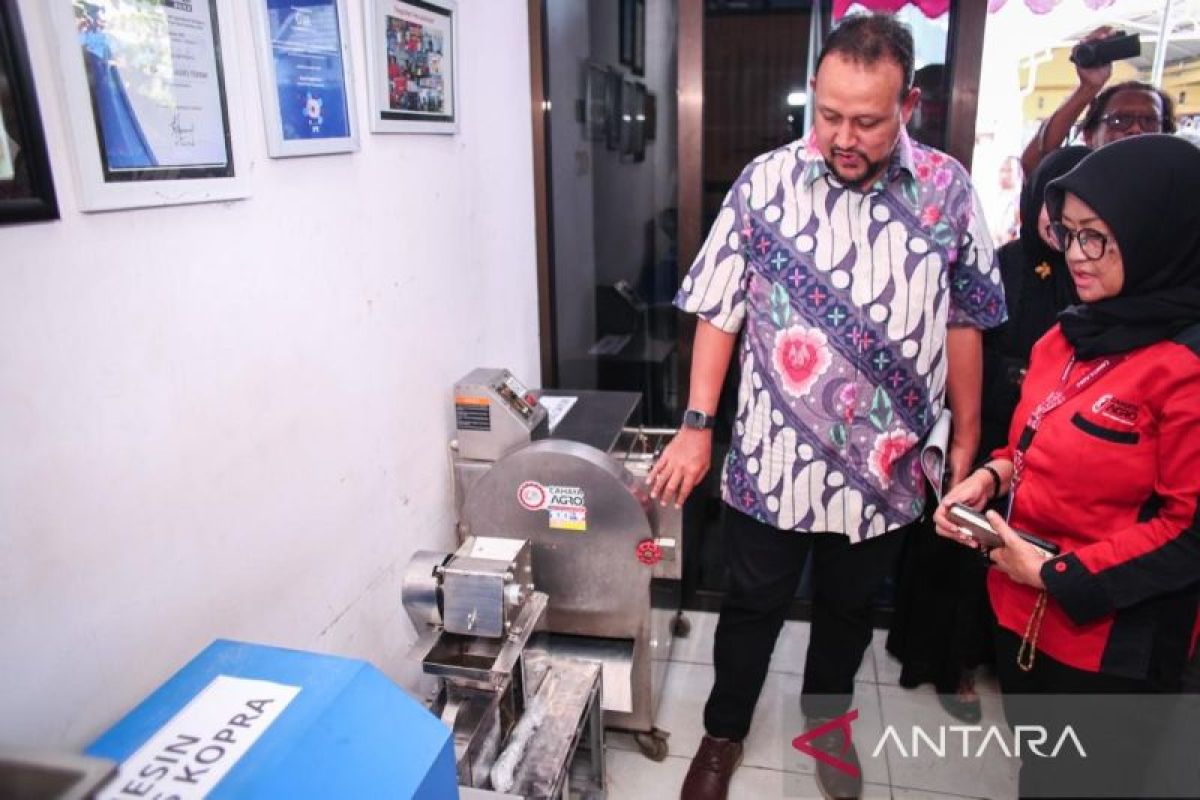
The Indonesian House of Representatives (DPR RI) is pushing for the strengthening of testing and standardisation facilities to ensure that small and medium-sized industries (IKM) can more easily meet the Indonesian National Standard (SNI), thereby increasing product competitiveness.
Deputy Chair of Commission VII of the DPR RI, Chusnunlar Chalim, stated that ease of access to testing laboratories is a critical issue that requires attention, following findings that medium-sized industrial players still face obstacles in the SNI certification process. “This is one of our field findings: medium-sized industries are experiencing difficulties with SNI certification. Testing laboratories are not yet available near them, necessitating more time and higher costs,” she said during a working visit to Surabaya, East Java, on Thursday.
She cited an example of industrial players in East Java who must conduct testing in Yogyakarta to meet SNI requirements. This condition is believed to potentially halt the certification process, as business owners must bear additional expenses and time delays.
According to her, East Java, as one of the regions with a large industrial base, should possess more complete testing laboratory facilities so that product standardisation needs can be serviced locally. “This is a task for the National Standardization Agency (BSN): how to encourage the completion of laboratories in East Java. We must ensure that production in one province is not hindered by SNI requirements because laboratories are located in distant provinces,” she said.
She assessed that meeting SNI requirements is vital for strengthening the competitiveness of industrial products, especially when business owners intend to expand their markets abroad.
Furthermore, Member of Commission VII DPR RI, Bambang Haryo Soekartono, revealed that several food-related MSMEs are currently hindered by SNI certification due to the remote locations of testing laboratories. Therefore, Bambang requested the government and the BSN to support easier SNI certification, as this MSME sector can contribute to achieving President Prabowo Subianto’s target of food self-sufficiency.
“This is indeed what is needed right now, as the President is directing us towards food self-sufficiency,” he remarked.
Additionally, Commission VII of the DPR also highlighted the condition of medium-sized industries, which are still facing pressure from rising raw material costs and declining market absorption. Based on field findings, while raw materials are available, prices have increased by approximately 12 per cent.
Bambang also urged MSME players to utilise various government programmes, including the People’s Business Credit (KUR) and others, to increase production capacity, quality, and business competitiveness. “Production is still ongoing, but market absorption in several areas has indeed experienced a decline,” said Bambang.
The owner of PT Cahaya Agro Teknik, Randa Rakawuri, stated that his company faces difficulties in obtaining SNI certification because they must travel to Gadjah Mada University (UGM) in Yogyakarta to conduct laboratory testing on the machinery they produce. PT Cahaya Agro Teknik produces agricultural machinery, livestock machinery, food and beverage machinery, as well as waste processing machinery.
“We have to transport the machinery to Yogyakarta, which requires significant costs. Moreover, we do not keep ready stock; we manufacture machines only upon order due to capital limitations,” Randa added.