
House of Representatives States Each Administration Possesses Unique Diplomacy Strategies for Overseas Visits
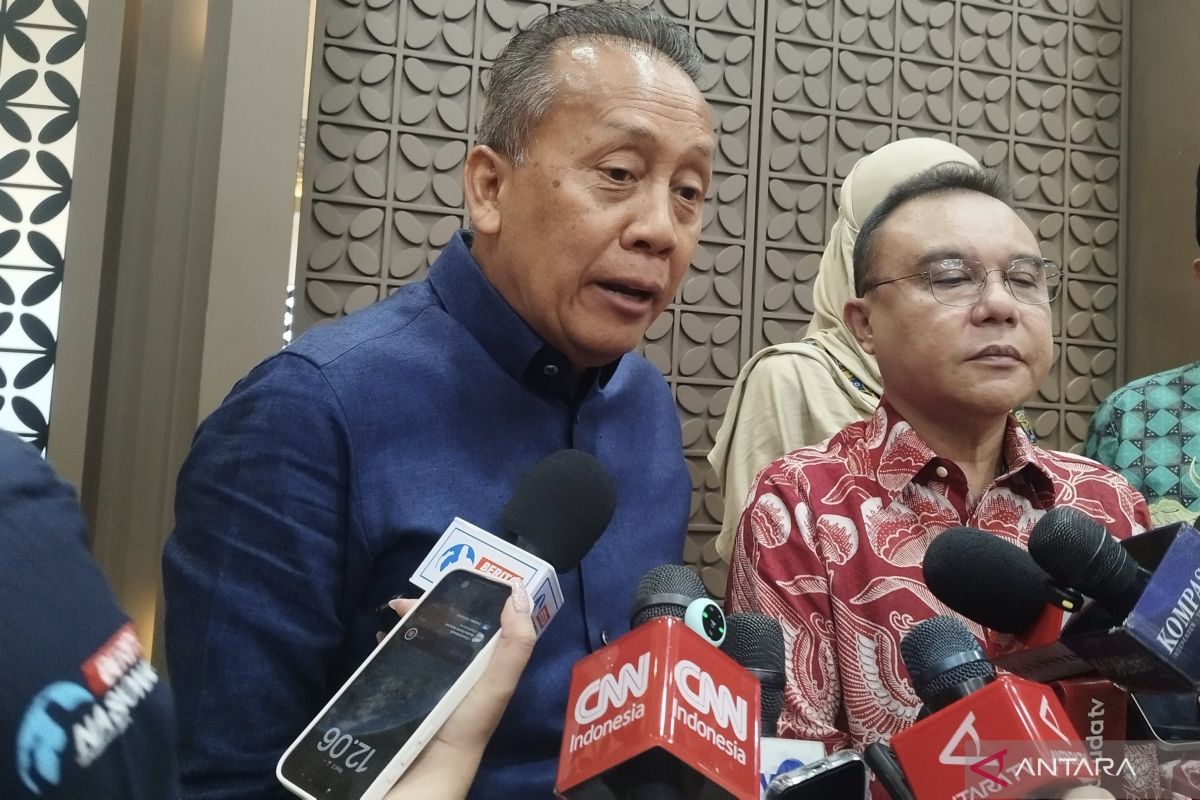
Jakarta (ANTARA) - The Deputy Speaker of the House of Representatives (DPR RI), Saan Mustopa, stated that every leadership within the government possesses its own specific strategies and urgency regarding diplomacy, particularly concerning policies related to overseas visits.
“President Prabowo has his own way of building good relations with friendly nations. Therefore, the strategies of each leader will naturally differ,” he said at the parliamentary complex in Jakarta on Wednesday, while responding to criticisms regarding the frequency of President Prabindo Subianto’s international visits.
Furthermore, he continued, these visits are related to the current situation, developments, and global dynamics, encompassing both domestic and international contexts. He noted that the intensity of the President’s overseas visits cannot be compared between different administrations, especially as he believes current conditions require the President to establish intensive and serious relationships due to the high level of global dynamism.
Previously, the Cabinet Secretary, Teddy Indra Wijaya, explained that the reason President Prabowo Subianto conducts frequent overseas visits is to build strong ties with world leaders amidst a global situation filled with uncertainty.
“Every leader must build close relationships with other world leaders. We cannot rely solely on asking for help only when a crisis occurs; we must cultivate good relationships so that if an urgent situation arises, we can seek assistance, and vice versa,” said Teddy.
According to him, global developments are highly dynamic every day. Consequently, the President has established an annual schedule that is predetermined, alongside urgent schedules that are adjusted based on domestic and international needs.
Teddy’s remarks were made in response to criticism from former Deputy Foreign Minister Dino Patti Djalal regarding President Prabowo Subianto’s international travels. Key points of criticism included the financing of overseas visits, the size of the official delegations, the transparency of visit schedules, the frequency of visits to various countries within a 1.5-year period, and suggestions to better utilise meetings with other heads of state during international forums.