
House of Representatives Responds to North Maluku Governor's Concerns Over PPPK Salary Payments
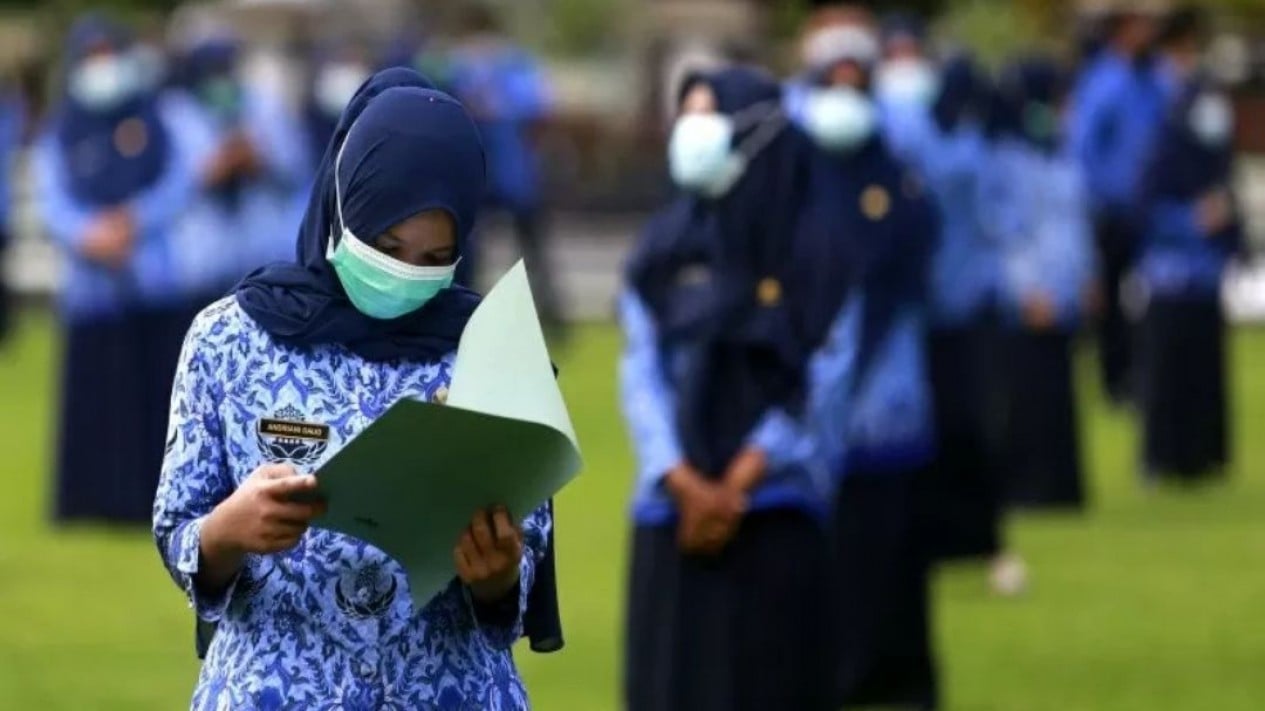
Jakarta, VIVA – The statement by the Governor of North Maluku, Sherly Tjoanda, claiming difficulties in paying the salaries of Government Employees with Work Agreements (PPPK) until the end of 2026, has received serious attention from Commission II of the Indonesian House of Representatives (DPR RI). Amidst the fiscal challenges faced by several regions, the DPR emphasised that PPPK employees must not be viewed as a burden on either the state or regional budgets.
This clarification was delivered by Indrajaya, a member of Commission II DPR RI, following a hearing discussing various issues regarding the restructuring of Civil Servants (ASN), including the challenges faced by local governments in meeting personnel expenditure requirements. According to Indrajanya, PPPK employees are national assets that contribute directly to the quality of public services. Therefore, their existence should not be seen merely as an expenditure component within the State Budget (APBN) or the Regional Budget (APBD).
“PPPK and part-time PPPK who have been appointed must receive certainty and guarantees regarding job sustainability. They are not a budget burden, but rather national assets that contribute directly to public service,” Indrajaya stated in Jakarta on Tuesday, 9 June 2026.
DPR Response Following Sherly Tjoanda’s Complaint
Previously, the Governor of North Maluku, Sherly Tjoanda, presented her region’s financial condition while attending a meeting with Commission II DPR RI on Monday, 8 June 2026. In that forum, Sherly revealed that the North Maluku Provincial Government is facing cash flow issues that make it difficult to pay PPPK salaries until the end of this year.
According to the Governor, the policy of relaxing personnel expenditure to a maximum of 30 per cent provided by the central government has not yet served as a solution to the problems faced by the region. Sherly noted that various regional heads have voiced similar complaints, assessing that the relaxation does not address the root cause of the issues facing local governments.
“I have heard all the complaints from regional heads today; it does not solve our problems in the regions, because we currently do not have the cash flow to pay PPPK salaries until the end of the year. So, is our regional problem resolved? Not yet,” Sherly stated.
She also highlighted the limited space for innovation for local governments to increase Regional Original Income (PAD). According to her, several authorities previously held by regional governments have now been transferred to the central government, thereby narrowing the opportunities for regions to seek new sources of revenue.