
House of Representatives: Only in Indonesia Are the Poor Graded into Castes — Poor 1, Poor 2
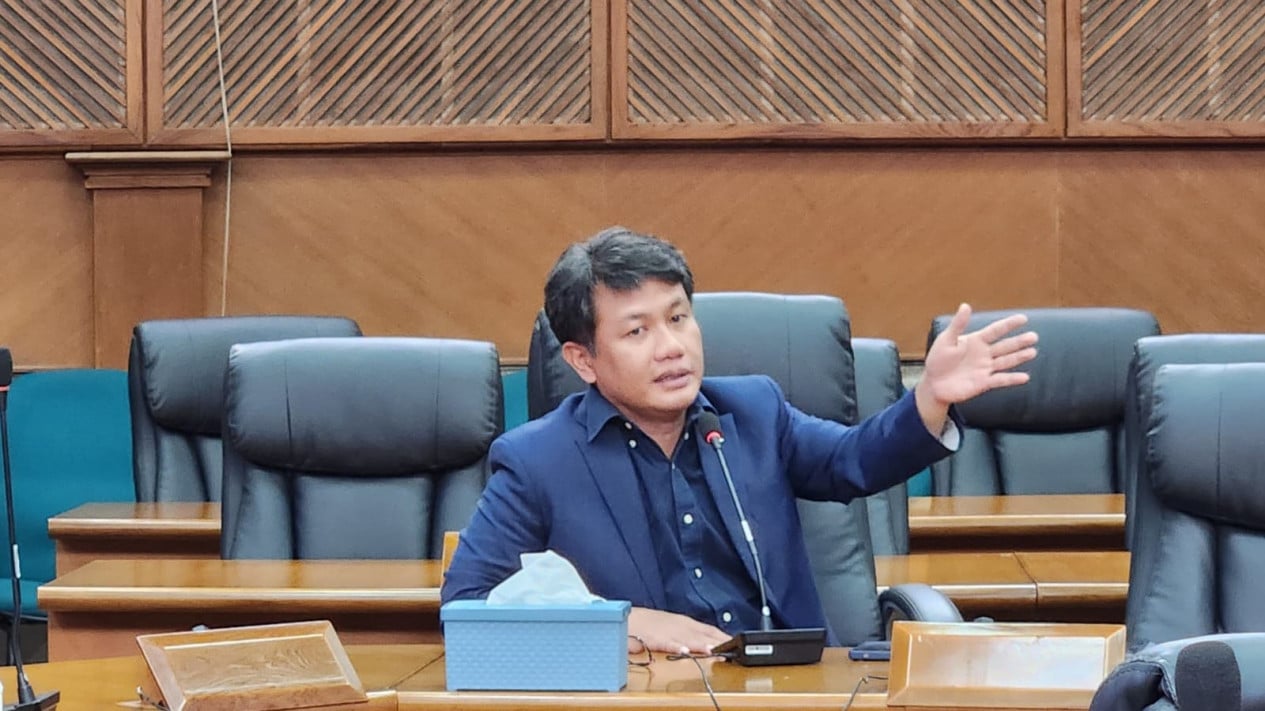
Bonnie Triyana, a member of Commission X of the Indonesian House of Representatives (DPR RI), has highlighted problems with the Kartu Indonesia Pintar (KIP) Kuliah scholarship, which is frequently blocked by socio-economic background requirements.
He raised the issue during a meeting of Commission X with the Minister of Higher Education, Science and Technology (Mendiktisaintek) at the DPR building in Central Jakarta on Monday, 7 September 2026.
He argued that grouping society’s welfare levels into the decile system hinders underprivileged citizens from accessing higher education.
“This KIP scheme very often runs up against requirements, especially the family’s socio-economic background, which is what they call the decile, Sir,” Bonnie said during the meeting.
He said such a decile system was being applied in Indonesia for the first time, creating classifications among the poor.
“I think perhaps only in Indonesia do the poor have castes, Sir — poor 1, poor 2, poor 3, poor 4; decile 1, 2, 3, 4,” Bonnie remarked.
Yet, Bonnie noted, the constitution states very clearly that access to education is a right of the people.
“When someone from a poor family, perhaps due to an administrative recording error, sees their decile rise a class, they fail, they hit a wall, and so they do not receive state assistance to pursue their studies,” he explained.
On this matter, he asked the Mendiktisaintek to step in and resolve the problems concerning decile data errors, as many students are at risk of failing to obtain scholarships because of incorrect decile data.
“We heard some time ago at Unpad that quite a number of students were at risk of having their places cancelled because, after being accepted, their decile did not match the requirements set for receiving KIP Kuliah,” Bonnie said.
He said he had received many complaints from the public that the decile determined by the government does not match their actual economic circumstances.
“In the end, many people, many of our children, cannot continue their university studies,” Bonnie said.
“These matters should not become obstacles for our young people to pursue higher education, Sir. Many of our young people want to study at university, but because of their economic circumstances they are prevented from continuing,” he concluded.
Source: jawawa.id (https://jawawa.id/newsitem/house-of-representatives-only-in-indonesia-are-the-poor-graded-into-castes-poor-1-poor-2-1788774887)
Originally published by VIVA.co.id (https://www.viva.co.id/berita/nasional/1926858-dpr-cuma-di-indonesia-orang-miskin-pakai-kasta-miskin-1-miskin-2), translated from Indonesian