
House of Representatives Members Support E5 Bioethanol Implementation to Boost National Commodity Energy Security
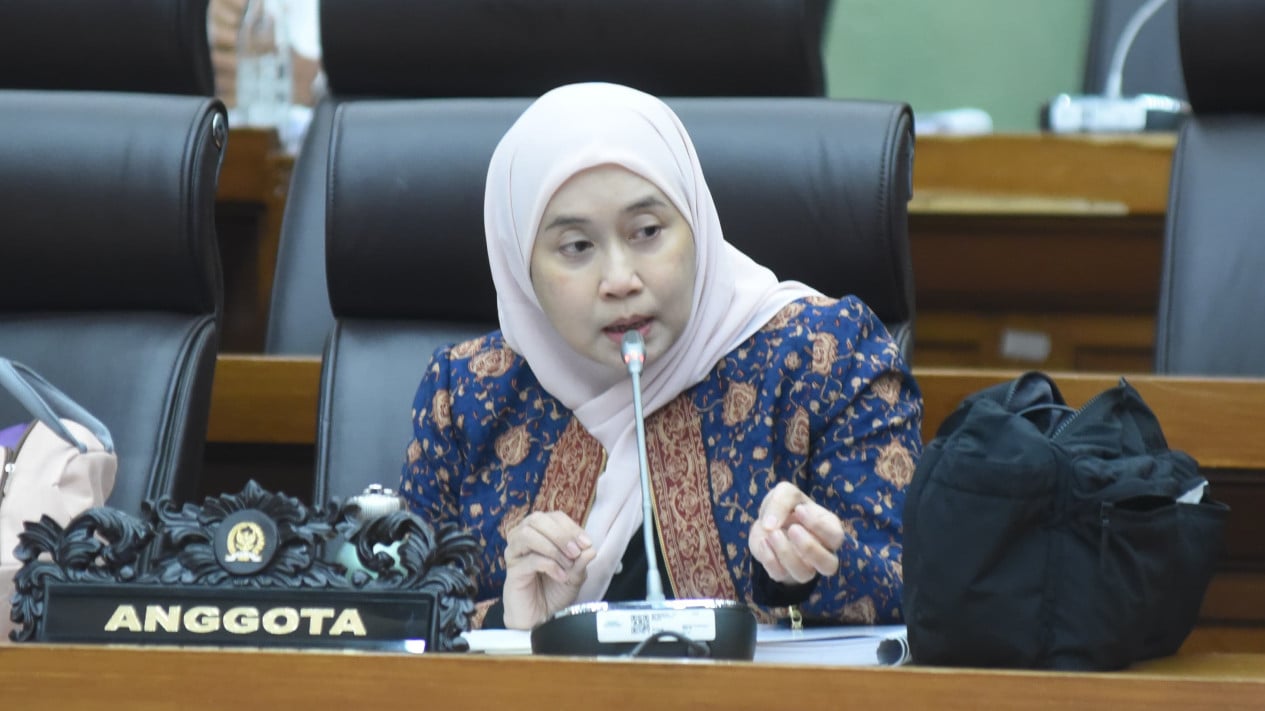
A member of Commission XII of the Indonesian House of Representatives (DPR RI) from the Golkar Party, Dewi Yustification, has welcomed the government’s plan, via the Ministry of Energy and Mineral Resources (ESDM), to implement a mandatory 5 per cent bioethanol blend (E5) in petrol starting from the second half of 2026. She believes this policy is a strategic step towards strengthening national energy security while reducing Indonesia’s dependence on fuel imports.
Dewi noted that the development of bioethanol is a vital part of efforts to diversify national energy sources amidst global geopolitical challenges and fluctuations in world energy prices. “The E5 bioethanol mandate is a strategic move to expand the use of energy based on domestic resources. This policy will not only contribute to increasing national energy security but also serve as an important instrument to reduce dependence on fuel imports, which have long burdened the national energy balance,” Dewi stated in a written release on Tuesday, 9 June 2026.
According to her, Indonesia possesses significant potential to develop the bioethanol industry due to the abundant availability of raw materials, ranging from sugarcane, molasses, and cassava to various other biomass sources. This potential needs to be optimised as part of the national downstreaming strategy to create greater added value for the domestic economy.
Dewi emphasised that bioethanol development would impact more than just the energy sector; it could also drive the growth of resource-based processing industries, strengthen national supply chains, increase investment, and create new economic opportunities for raw material-producing regions. “If managed in an integrated manner from upstream to downstream, bioethanol development can become a vital pillar by creating a wide multiplier effect, ranging from increased investment and the strengthening of processing industries to job creation and the improved welfare of farmers as raw material suppliers,” she said.
However, Dewi reminded the government that the implementation of E5 should be carried out gradually and based on industrial readiness. The government must ensure the adequacy of raw material supplies, national bioethanol production capacity, the readiness of distribution infrastructure, and economic schemes that provide certainty for business actors to ensure the programme runs optimally and sustainably.