
House of Representatives Member: Tourism to Serve as Foreign Exchange Shield, Boosting Tourist Influx to Indonesia
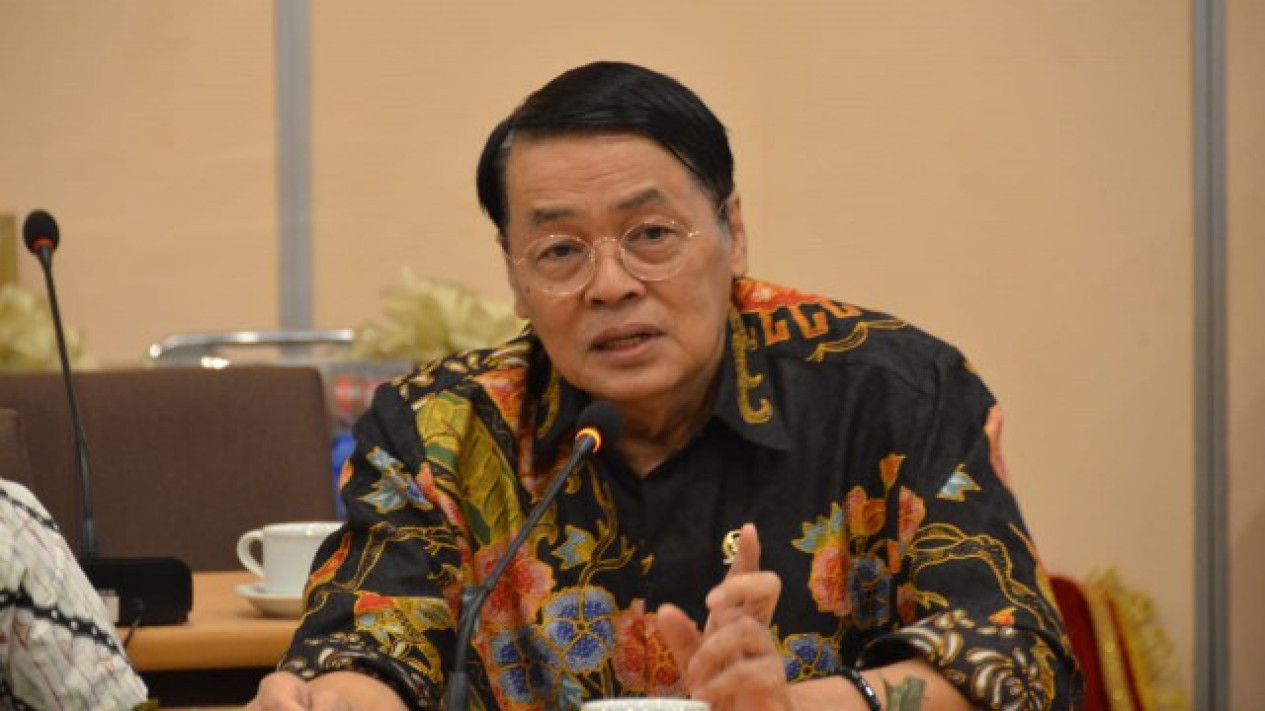
Jakarta, VIVA – Amid global economic uncertainty and fluctuating commodity prices, Commission VII of the Indonesian House of Representatives (DPR RI) is urging the government to strengthen the tourism sector as a primary engine for generating foreign exchange reserves that is rapid, equitable, and labour-intensive.
“If other sectors, such as exports, face price instability and foreign investment remains cautious, tourism becomes the sector that most quickly circulates money into the pockets of the people. When a single tourist arrives, foreign exchange is immediately distributed to motorcycle taxi drivers, market traders, homestays, and MSMEs,” stated Gandung Pardiman, a member of Commission VII, on Tuesday, 9 June 2026.
The Golkar Party member noted that the government’s target for 2026 is to attract 16–17.6 million foreign tourists, with a potential foreign exchange value of Rp375–416 trillion, following a 2025 target of 15 million foreign tourists.
“The direct impact on MSMEs is significant; foreign tourist spending flows directly into hotels, restaurants, transport services, guides, and homestays. A single tourism event can mobilise 3,500 MSMEs and an additional 50,800 workers. As a pillar of the services balance, in February 2026, foreign tourist travel to Indonesia showed a surplus of 0.64 million compared to Indonesian citizens travelling abroad. This data can support national tourism foreign exchange,” he said.
He explained that the global situation in the Middle East is projected to reduce foreign tourist arrivals by 60,000, potentially resulting in a loss of Rp2.04 trillion in foreign exchange for 2026. He believes Indonesia must capitalise on available opportunities.
“Indonesia’s location is highly strategic for attracting foreign tourists to visit the five super-priority tourism destinations: Lake Toba, Mandalika, Borobudur, Likupang, and Labuan Bajo,” he added.
As a second strategy, he continued, the government must boost domestic tourism (Wisnus) to ensure money remains within the local and national economy. Data from July 2025 showed domestic travel reached 100.2 million, an increase of 29.72 per cent, driven by the ‘Jelajah Indonesia Saja’ (Explore Indonesia Only) programme.
Commission VII is prepared to oversee promotion budgets, safety regulations, and tax policies that are pro-tourism. “While the US dollar fluctuates, the smiles of foreign tourists spending across tourism destinations and MSME markets represent a value that is certain and directly felt by the community,” he concluded.