
House of Representatives Member: Ban on Tobacco Additives Requires Careful Study
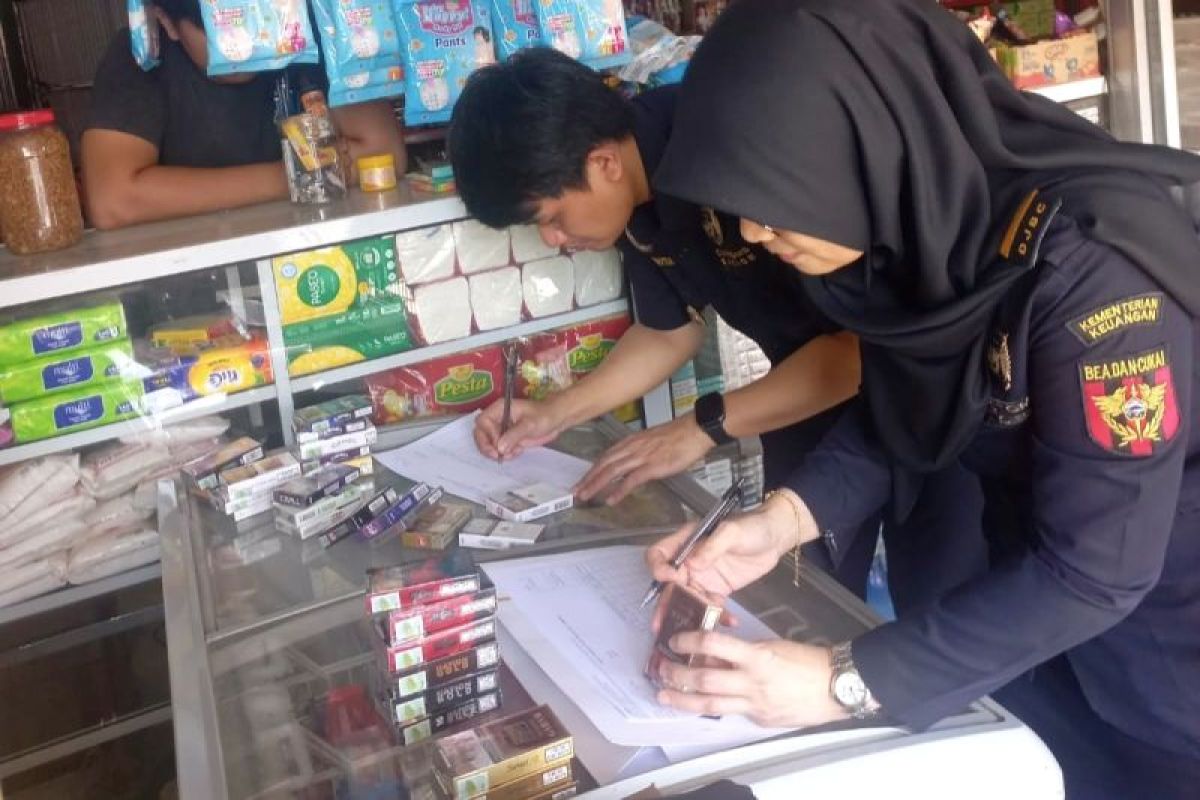
Jakarta (ANTARA) - Member of Commission IX of the Indonesian House of Representatives (DPR RI), Zainul Munasichin, has requested that the government consider a proportional approach to the planned regulations, including the ban on additives and flavour variants in tobacco products.
In a statement in Jakarta on Wednesday, Zainul emphasised the importance of balance in implementing regulations to avoid a domino effect, such as an increase in the circulation of illegal cigarettes, which could potentially reduce excise revenue without significantly decreasing the number of smokers.
“The government’s good intention to reduce smoking prevalence should not end up fostering illegal cigarettes. If the (regulation) only increases the circulation of illegal cigarettes, the government’s potential revenue from tobacco excise will decrease. The number of smokers remains high, yet state revenue actually drops,” he said.
He believes there must be precision in distinguishing the types and functions of additives used in tobacco products. According to him, not all additives should be treated with the same regulatory approach.
Zain/Munasichin also responded to findings from Litbang Kompas, which stated that 90 per cent of respondents believe there is a possibility that the public will switch to illegal cigarettes if flavoured cigarettes are banned.
He noted that this potential risk must be a priority for the government when formulating policy.
The impact on the circulation of illegal cigarettes needs to be carefully calculated if the government implements these rules, including the potential impact on state revenue, specifically from tobacco excise (CHT).
Therefore, he emphasised the importance of the government considering the overall impact of the policy, both on public health and the sustainability of the industry, workers, tobacco farmers, the circulation of illegal cigarettes, and state revenue.
Meanwhile, the Sub-Director of Public Relations and Community Education at Customs, Netty Hartawati, stated that, in principle, Customs supports the policy-making process in the tobacco sector through comprehensive and balanced discussions.
“Given that such a policy has the potential to impact various aspects, including industry, labour, agriculture, state revenue from the excise sector, and the circulation of illegal cigarettes, various implications need to be considered thoroughly during the policy formulation process,” she said.
She admitted that during the discussion process, her agency provides input in accordance with its duties and authority. This input primarily relates to aspects of excise administration, state revenue, and the supervision of illegal tobacco circulation.
“Customs also supports public participation and the involvement of all relevant stakeholders so that various perspectives can serve as considerations in policy formulation, ensuring that the established policy can be implemented effectively while considering the socio-economic conditions of the community,” said Netty.
It is known that the discourse regarding the ban on additives is part of the discussions concerning the derivative regulations of Government Regulation Number 28 of 2024 concerning Health (PP Kesehatan). Currently, circulating tobacco products follow various regulations, such as the Food and Drug Authority Regulation (PerBPOM) Number 18 of 2025 and national quality standards (SNI).
The General Chairman of the Association of Indonesian Cigarette Factory Unions (GAPPRI), Henry Najoan, stated that, as of now, there is no accredited national reference laboratory available to verify additives as regulated.
According to him, without an independent, accredited, and internationally recognised laboratory, testing results could potentially become subjective and lead to discrimination between products.