
House of Representatives Highlights Digital Platform Data Control and Consumer Protection
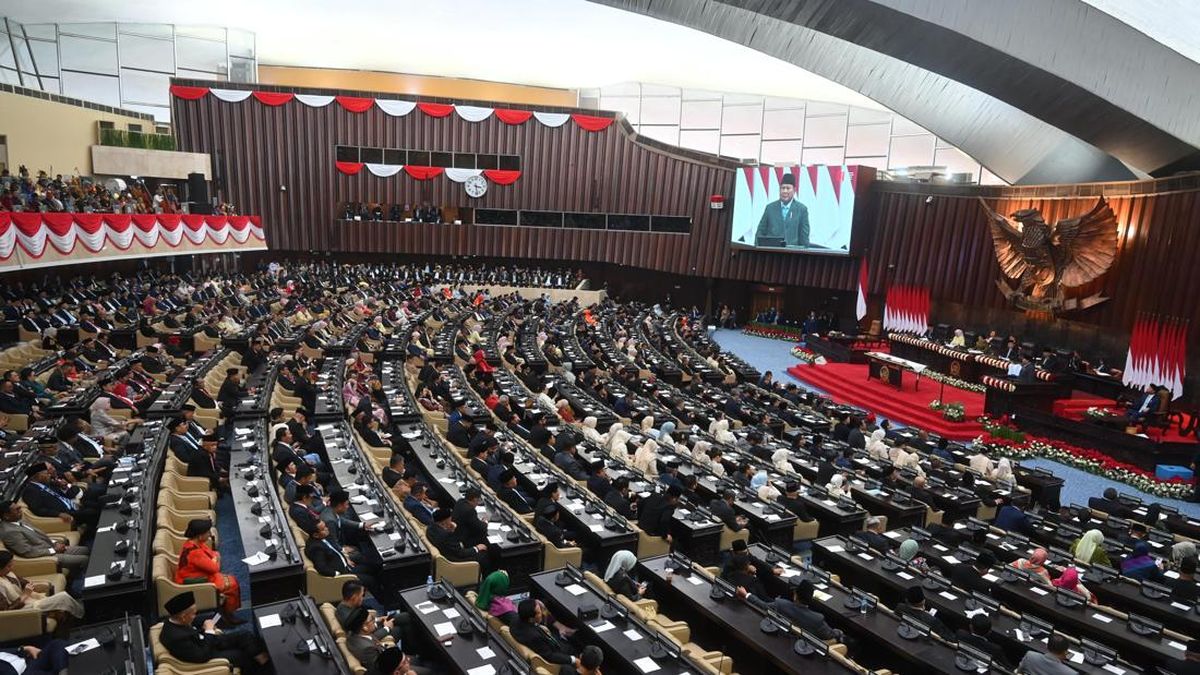
The Deputy Chairman of the Inter-Parliamentary Cooperation Agency (BKSAP) of the Indonesian House of Representatives and a member of the AI Working Group, Muhammad Husein Fadlulloh, has highlighted the control of data and algorithms by digital platforms, which is deemed to have reached the level of digital sovereignty and consumer protection issues.
According to him, the development of digital platforms and Artificial Intelligence (AI) can no longer be viewed merely as technological progress. He stated that the power of these platforms is also formed by the mastery of data, algorithms, user networks, and the ability to influence market structures.
“Digital platforms and AI are no longer just issues of technological development. When a platform controls data and possesses the ability to influence market structures, the issue touches upon digital sovereignty as well as consumer protection,” Huselan said in a written statement on Thursday (10/9).
Husein noted that the BKSAP DPR consistently brings digital economy issues into inter-parliamentary cooperation discussions, including matters related to the World Trade Organization (WTO).
He stated that there are at least four issues that Indonesia must continue to fight for in international discussions: import duty policies and electronic transmissions, sovereignty and cross-border data flows, the calculation of the economic value of digital services, and the protection of the digital ecosystem and the competitiveness of MSMEs.
“We must not allow the digital economy to grow very rapidly while the added value is instead enjoyed outside our jurisdiction. Indonesian MSMEs must obtain market access and fair opportunities, rather than merely being part of the value chain of global platforms,” said Husein.
The AI Working Group was formed at the end of last year. Through this working group, the BKSAP hopes to encourage the creation of a regulatory framework that is not only adaptive to technological developments but also upholds the principles of ethics, transparency, and public protection.