
House of Representatives Commission VII Reveals 55 Percent of Tourism Foreign Exchange Relies on Bali
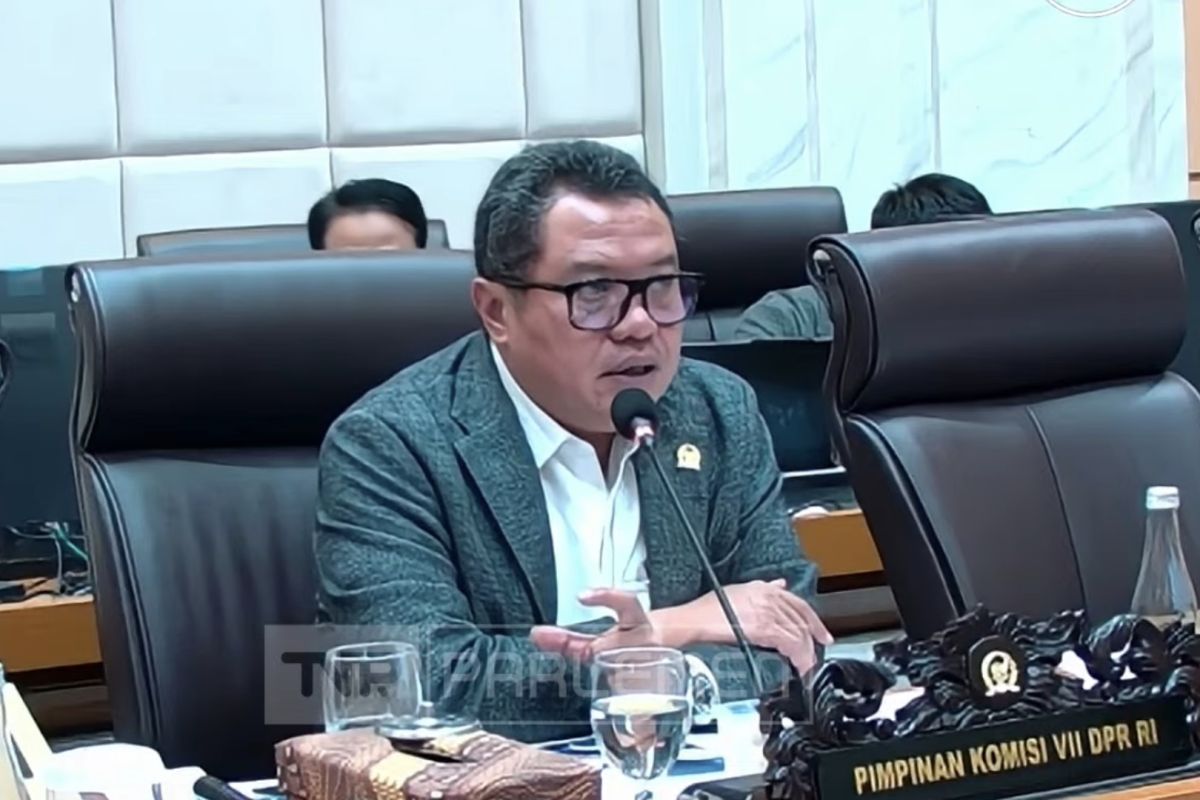
Jakarta (ANTARA) - Deputy Chairman of the House of Representatives Commission VII, Lamhot Sinaga, revealed that out of the total Rp305 trillion in foreign exchange from the tourism sector, approximately Rp170 trillion or 55 percent is still concentrated in Bali, while other regions only contribute around Rp135 trillion.
“This means that more than half of the tourism foreign exchange is still centred in Bali. This indicates that the equitable distribution of the tourism sector remains our homework,” said Lamhot at the parliamentary complex in Jakarta on Wednesday.
According to him, this disparity must be a serious concern for the government, particularly in formulating future tourism development strategies. He stressed that improving the performance of the tourism sector must be accompanied by a more even distribution of benefits to all regions in Indonesia.
To that end, he said the issue of equitable distribution is crucial to be discussed in the 2026 budget planning, so that tourism development is not only focused on certain destinations.
In addition, he also highlighted that the 2025 tourism foreign exchange growth achievement has not yet been influenced by the newly enacted Tourism Law in 2025. According to him, the impact of that regulation will only start to be felt in the following fiscal year.
“This achievement is not yet the result of the new tourism law. Its impact will only be seen in 2026,” he said.
He hopes that the implementation of that law can provide a greater boost to the growth of the national tourism sector. He even targets a more significant growth surge in 2026, in line with the rollout of the new policies.
“If the increase in 2025 is 9.41 percent, then in 2026 I hope it can be double, or at least reach 20 percent,” he said.
He assessed that this target is realistic if the policies in the new law are implemented consistently and measurably. He emphasised that synergy between the central and regional governments is key in driving growth as well as equitable distribution in the tourism sector.
“So there are two main issues that I raise, namely equitable distribution and optimisation of the impact of the new law,” he said.
He further hopes that the tourism sector does not only grow in numbers but also provides broader benefits to all regions in Indonesia.