
House of Representatives Calls on BKHIT to Strengthen Monitoring of Biological Traffic in Maluku
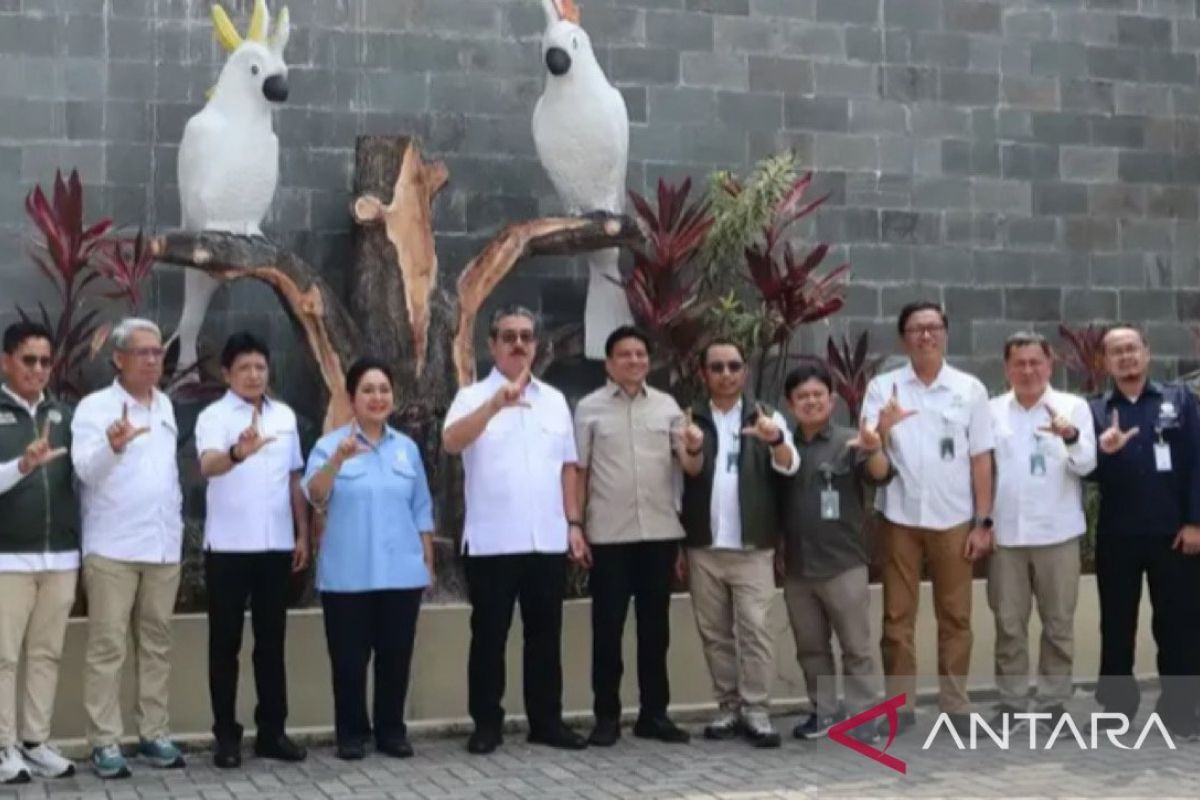
Monitoring needs to be strengthened, particularly along sea and air transport routes that could be used to smuggle protected plants and wild animals.
AMBON (ANTARA) – House of Representatives Commission IV chair Siti Hediati (Titiek Soeharto) has called on the Maluku Animal, Fish and Plant Quarantine Centre (BKHIT) to strengthen monitoring of the movement of plants and wild animals, in order to prevent illegal trade and protect the region’s biodiversity.
“Monitoring needs to be optimised, particularly along sea and air transport routes that could be used to smuggle protected plants and wild animals,” Titiek Soeharto said in Ambon, Maluku, on Sunday after a Commission IV recess working visit.
She said protecting Maluku’s natural heritage required coordination among multiple agencies, from quarantine officers and forestry officials to law enforcement, to ensure that efforts to prevent smuggling were effective.
Checks at entry and exit points must be accompanied by firm action against violations, as well as heightened vigilance against illegal trading methods that exploit distribution and transport routes.
Commission IV raised the issue during a discussion on tackling the illegal trade in protected wildlife at the Maluku Natural Resources Conservation Agency (BKSDA), and a visit to the Maluku Wildlife Conservation Centre (PKS).
“It is important to build synergy between the Ministry of Forestry, the Indonesian Quarantine Agency, local government and law enforcement to close loopholes for wildlife smuggling while preserving Maluku’s ecosystems,” she said.
The Maluku Quarantine Centre is stepping up monitoring and preventive measures for the movement of carriers at points of entry and exit. These efforts form part of measures to prevent the introduction and spread of pests and organisms, as well as the circulation of biological commodities that do not meet regulations.
Quarantine checks include document and physical inspections of carriers in accordance with quarantine rules, covering animal, fish and plant commodities and their derivatives transported through ports and airports.
Officers must ensure that quarantine requirements and supporting documents are in order, check that the type and condition of the commodities match the documentation, and take quarantine measures if signs of violations are found. For protected plants and wild animals, monitoring should also be coordinated with the authorities responsible for conservation and law enforcement.
Stronger monitoring is important because Maluku’s rich biodiversity is vulnerable to exploitation and illegal trade. Information-sharing between agencies, improved training for officers in identifying protected species, and follow-up on field findings should therefore form part of ongoing monitoring.
These measures are expected not only to prevent smuggling, but also to protect natural resources and ecosystems for future generations.
Source: jawawa.id (https://jawawa.id/newsitem/house-of-representatives-calls-on-bkhit-to-strengthen-monitoring-of-biological-traffic-in-maluku-1791730328)
Originally published by Antara (Indonesian) (https://www.antaranews.com/berita/5781178/dpr-ri-minta-bkhit-memperkuat-pengawasan-lalu-lintas-hayati-di-maluku), translated from Indonesian