
House of Representatives: Asset Forfeiture Bill Currently at Academic Paper Drafting Stage
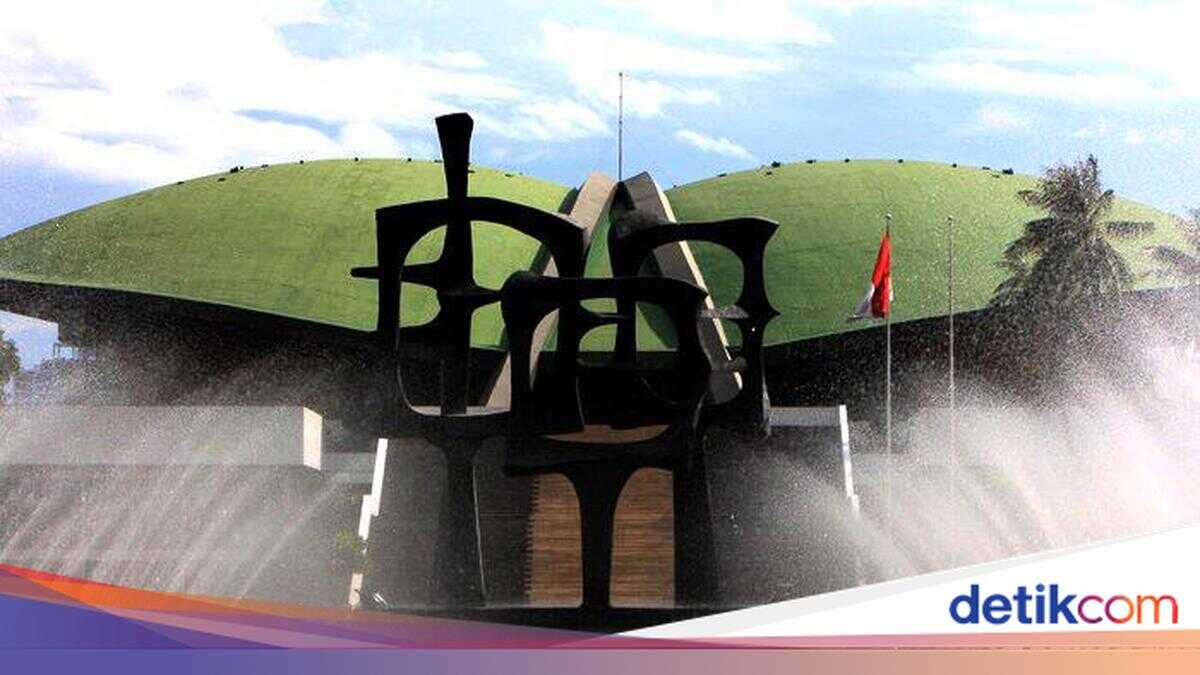
Deputy Speaker of the House of Representatives Sufmi Dasco Ahmad has revealed the latest developments regarding the legislative process for the Asset Forfeiture Bill. Dasco said the House is currently drafting the academic paper for the bill.
“Commission III of the House of Representatives is currently conducting problem identification and is in the process of drafting the academic paper and the bill,” Dasco told reporters on Monday (23/2/2026).
Dasco said his side had promised that deliberation of the Asset Forfeiture Bill would take place after a number of other regulations had been completed, including the Criminal Code (KUHP), Criminal Procedure Code (KUHAP), and their compilation with the Anti-Corruption Law (Tipikor).
“Yes, we had previously stated that once the Criminal Code, Criminal Procedure Code, and the compilation with the Anti-Corruption Law were completed,” he said.
He added that after those stages were finished, the House would proceed to the public participation process. Dasco said the Domestic Workers Protection Bill (RUU PPRT) and the Manpower Bill would also follow for deliberation.
“So once that is completed, we will also promptly follow up with the Domestic Workers Protection Law and the Manpower Law. We will immediately hold public participation, after which we will proceed with deliberation of the legislation,” he said.
Previously, Commission III of the House of Representatives had begun discussing the formulation of the Asset Forfeiture Bill. Deliberation commenced on Thursday (15/1).
Head of the House’s Expert Body, Bayu Dwi Anggono, said the Asset Forfeiture Bill consists of eight chapters and 62 articles, with approximately 16 key regulatory points.
“In this bill that we have drafted, there are eight chapters and 62 articles. The first covers general provisions, the second scope, the third criminal assets subject to forfeiture, the fourth procedural law for asset forfeiture, the fifth asset management, the sixth international cooperation, the seventh funding, and the eighth closing provisions,” he said.