
House Member Urges Revision of Ministerial Regulation on Sailing Permits Following Series of Ship Accidents in Indonesia
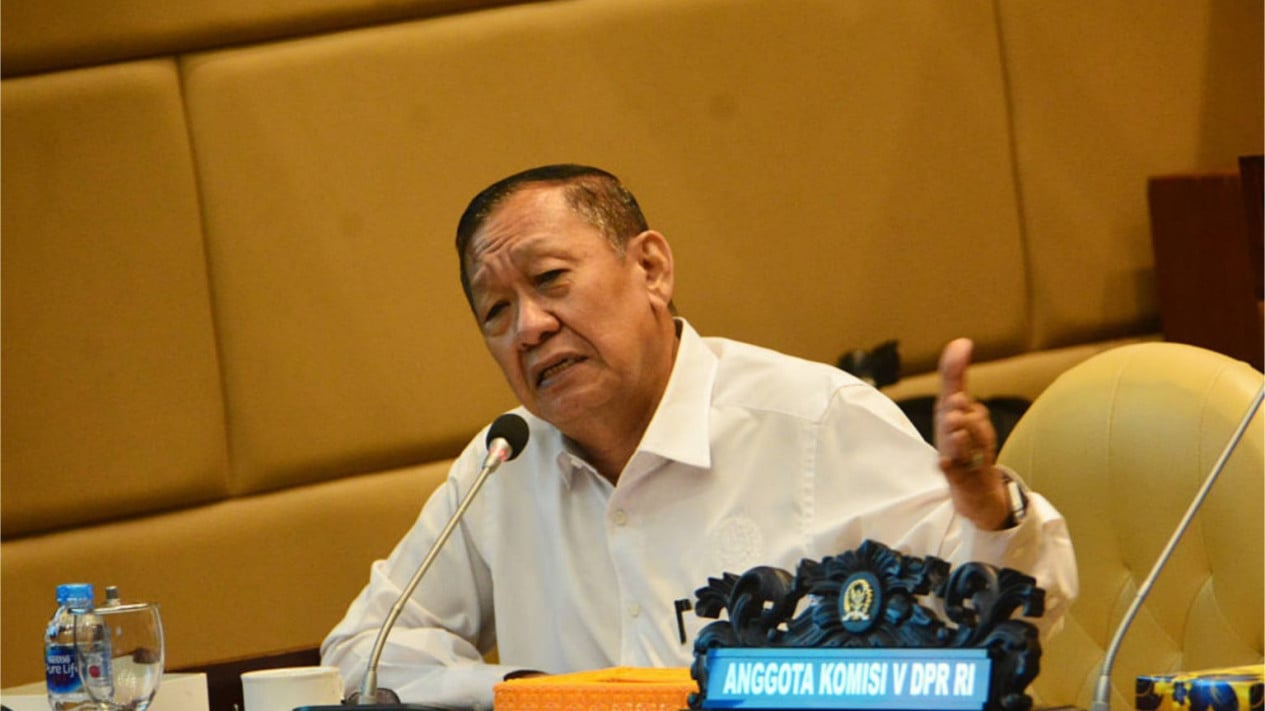
Jakarta, VIVA – Hamka B. Kady, a member of Commission V of the Indonesian House of Representatives (DPR RI), has expressed deep sorrow over the string of maritime transport accidents that have occurred in Indonesia over roughly the past year.
The sinking of KMP Tunu Pratama Jaya on the Ketapang–Gilimanuk crossing in July 2025, the fire aboard KM Gregorius Barcelona V in the waters off Talise Island, Manado, the sinking of KM Muchlisa in Penajam Paser Utara, the sinking of KM Nurul Salsa in the Selayar Islands, and most recently the fire aboard KMP Mutiara Sentosa II in the waters north of Sapudi Island, Madura, all show that national shipping safety still faces serious problems.
According to Hamka, this series of accidents must serve as momentum for the government to conduct a thorough evaluation of the shipping safety oversight system so that similar incidents do not continue to recur.
Hamka believes the repeated accidents should not be addressed merely through investigations into the causes of each incident, but must be followed by improvements to regulations and oversight governance.
“I have repeatedly told the Ministry of Transport, in working meetings of Commission V of the DPR RI, to immediately revise Minister of Transport Regulation Number 28 of 2022 on the Procedures for Issuing Sailing Approval Letters (SPB) so that it aligns with the mandate of Law Number 17 of 2008 on Shipping as amended by Law Number 66 of 2024. The regulation still leaves loopholes that could reduce the effectiveness of vessel supervision before a sailing permit is issued,” Hamka said in a written statement on Tuesday, 4 August 2026.
The Golkar Party lawmaker explained that under Regulation Number 28 of 2022, the issuance of an SPB is based on the master’s sailing declaration, cargo/passenger documents (manifest), the crew list, evidence of compliance with the vessel’s obligations checklist, as well as the ship’s letters, documents and notices.
“This mechanism means that Harbour Masters are more oriented towards administrative verification and are not required to carry out direct physical inspections of vessels, except when there are reports or indications that a ship is unseaworthy,” he said.
According to Hamka, this situation opens the way for violations, ranging from overloading and discrepancies in a vessel’s technical condition to weak enforcement of shipping safety standards.