
House Member Urges National Nutrition Agency Not to Overlap Roles in Free Nutritious Meal Programme
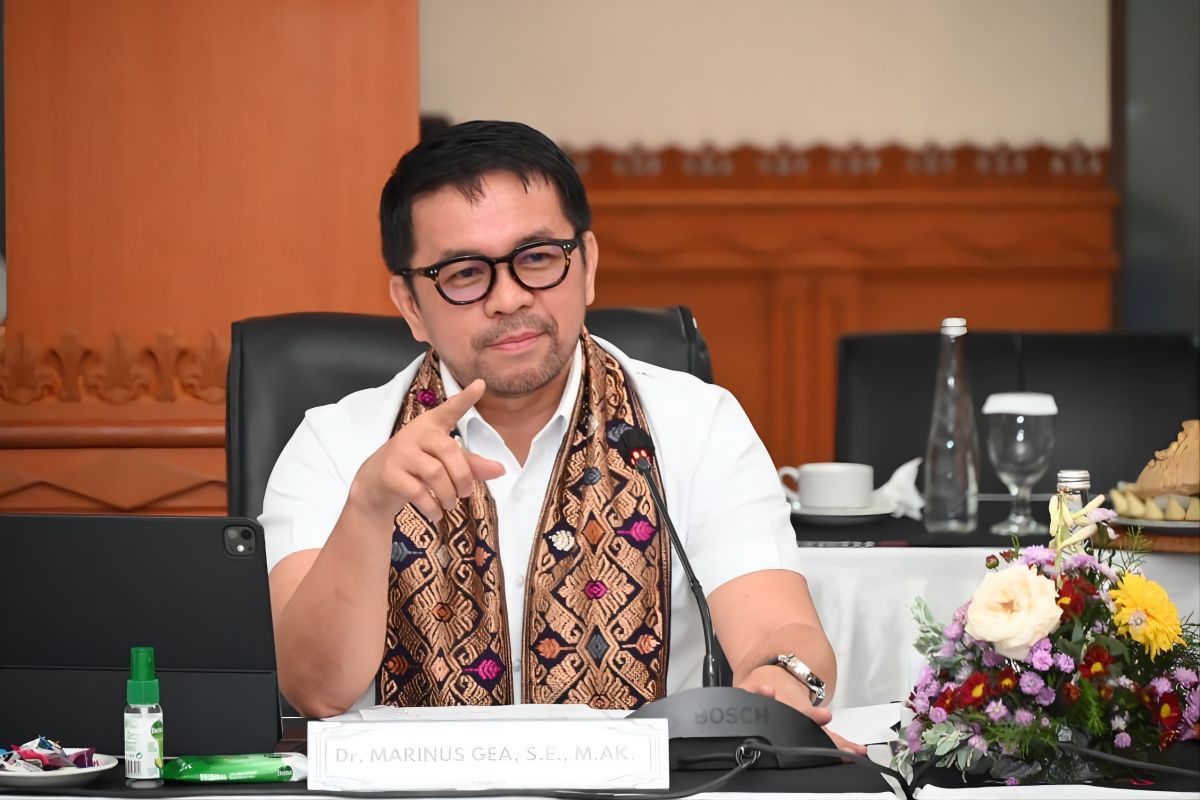
Jakarta (ANTARA) - House of Representatives (DPR RI) Commission XIII member Marinus Gea has urged the National Nutrition Agency (BGN) not to simultaneously act as regulator, executor, and supervisor in implementing the Free Nutritious Meal (MBG) programme. He stated that a detailed explanation is necessary to ensure no overlapping of authority, which could reduce the programme’s accountability. He added that the programme’s success must be measured by its tangible impact on the community. “We need to measure whether this programme genuinely improves public nutritional quality, reduces stunting rates, enhances children’s health, and guarantees food safety. That should be the primary measure of success,” Marinus said in a statement in Jakarta on Tuesday. Beyond institutional governance, he stressed that food safety must be a top priority in the MBG programme’s execution. He noted that this issue is highly sensitive as it directly concerns the safety of beneficiaries. “Food safety is the most sensitive issue because it directly relates to the safety of beneficiaries. Therefore, supervision of this aspect must be strengthened and carried out continuously,” he said. Furthermore, he suggested that the National Commission on Human Rights (Komnas HAM) recommendations regarding the MBG evaluation should be examined objectively and proportionally. According to him, Komnas HAM’s primary concern is not a critique of the programme’s objectives, but rather the governance and oversight mechanisms applied in its implementation. Komnas HAM has urged the government to revise Presidential Regulation (Perpres) Number 115 of 2025 on the Free Nutritious Meal Programme to strengthen programme governance, making it more participatory, transparent, accountable, and equitable in line with human rights principles. He stated that the public must receive an explanation to fully understand the substance of Komnas HAM’s recommendations, so as not to create a misperception of the Free Nutritious Meal Programme. “Komnas HAM is not criticising the goal of providing nutritious meals to the public. The concern is about governance, especially when one institution functions as regulator, executor, and supervisor simultaneously,” Marinus said. However, he suggested that the proposed revision of the presidential regulation should not be rushed to a final conclusion. According to him, Komnas HAM’s monitoring process is still ongoing, so more comprehensive data and information are needed from various parties, including BGN, the Ministry of Health, the Finance and Development Supervisory Agency (BPKP), and local governments. “Our focus must be on separating regulatory, executive, and supervisory functions, strengthening food safety, ensuring budget transparency, and measuring success based on nutritional quality,” he said.