
House Member Supports Trial of Civil Servant Placement Based on Domicile
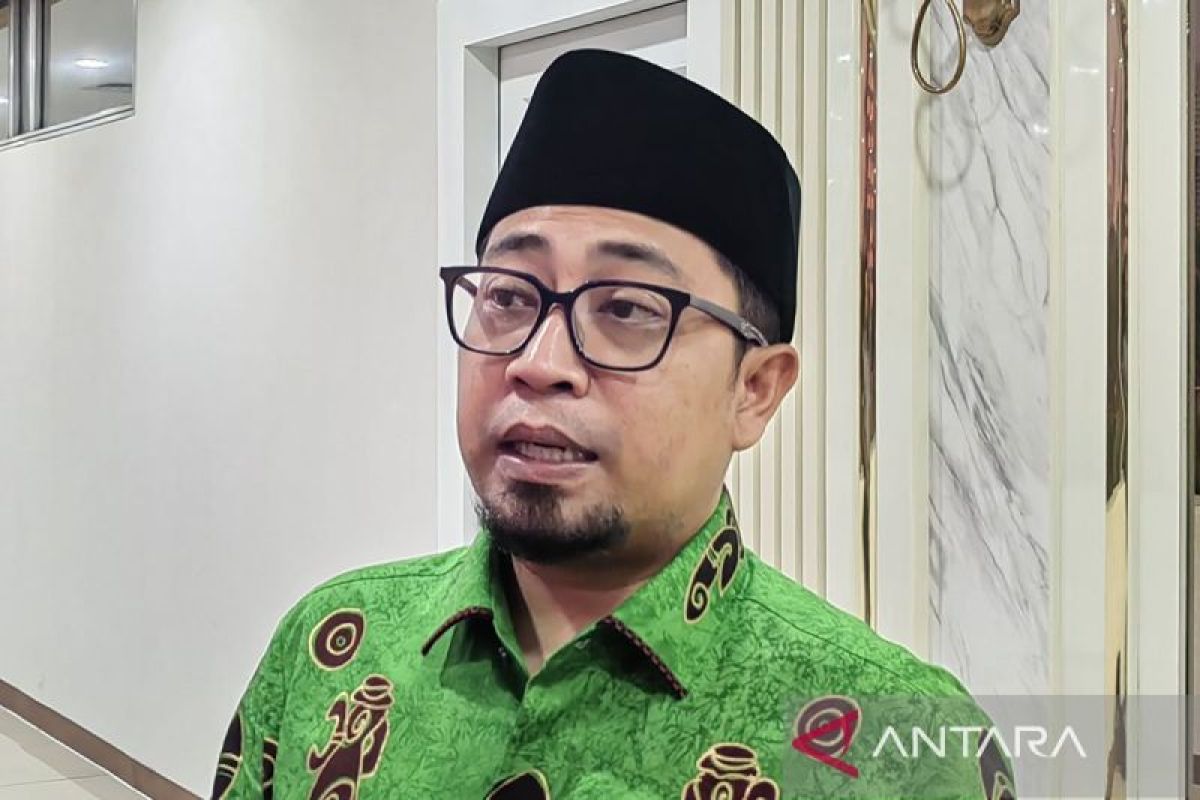
Jakarta (ANTARA) - Member of Commission II of the Indonesian House of Representatives (DPR) Muhammad Khozin has expressed support for a trial on placing state civil apparatus (ASN) according to their domicile, conducted by the National Civil Service Agency (BKN), while reminding that its implementation must still refer to the ASN Law. Khozin stated in Jakarta on Saturday that the policy deserves appreciation as it can bring ASN closer to their families while reducing the financial burden caused by placements far from their domiciles. “The breakthrough by the Head of BKN to trial ASN placement according to domicile, so they are close to family and reduce expenses, deserves appreciation,” Khozin said. He noted that the issue of placement far from domicile is one reason why state civil apparatus resign. According to BKN data, as many as 1,285 participants who passed the 2024 civil servant candidate (CPNS) selection resigned due to placement issues. However, Khozin stressed that the trial must not deviate from the spirit of Law Number 20 of 2023 on ASN, particularly the provision that ASN employees must be willing to be placed throughout the territory of Indonesia. He also reminded that the ASN placement system must be interpreted as part of cultural transformation, experience sharing, and skill enhancement among ASN, so as not to create disparities in human resource quality between Java and other islands, or between developed and underdeveloped regions. “We await the evaluation results of the trial conducted internally at BKN. Policy plans must be based on precise studies and remain within the corridor of Law Number 20 of 2023 on ASN,” he said. Previously, Head of BKN Zudan Arif Fakrulloh initiated the ‘Closer to Domicile and Closer to Family’ programme, which in its initial stage is being trialled for BKN employees at the head office, regional offices, and technical implementation units so they can work closer to their domiciles and families. According to Zudan, the policy is based on the belief that work-life balance can increase motivation and productivity, while reducing transportation and accommodation costs incurred from living far from family.