
House Legislation Body Confirms Asset Forfeiture Bill Remains in 2026 Priority Legislation Programme
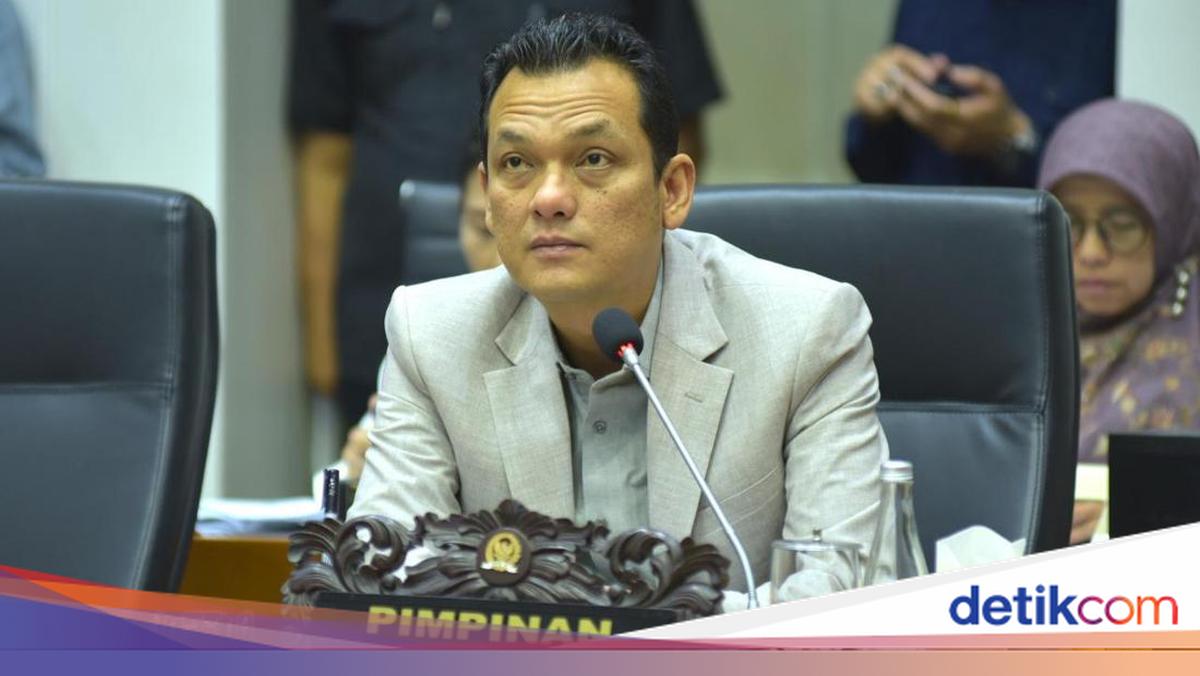
Deputy Chairman of the Legislation Body of the Indonesian House of Representatives, Martin Manurung, has confirmed that the Asset Forfeiture Bill remains on the list of the 2026 Priority National Legislation Programme. Martin stated that the legislative process for the bill is still ongoing within House Commission III. His statement dispels narratives circulating on social media suggesting the bill had been removed from the House’s priority legislation programme. “There has been no decision by the House Plenary Session to remove the Asset Forfeiture Bill from the 2026 Priority Legislation Programme. The bill is still registered in the 2026 Priority Legislation Programme as the sixth proposal from the House. The Asset Forfeiture Bill is being prepared by House Commission III,” Martin said in a statement on Saturday. The NasDem Party politician explained that the Asset Forfeiture Bill is still in the drafting stage by Commission III. He noted that intensive drafting meetings for the bill are still ongoing. He said Commission III has invited experts, academics, non-governmental organisations, and practitioners to provide input on the bill. Martin stressed that the bill remains a concern for both the government and the House. “The Asset Forfeiture Bill has been agreed upon in the National Legislation Programme by the House and the Government. This means the House and the Government are concerned with drafting this bill as well as possible and involving public participation in formulating its norms,” Martin stated. Martin deferred to Commission III to provide more detailed information regarding the development of the norms within the bill. “As for the detailed development of the formulation of the norms in the bill, this can certainly be inquired further with Commission III as the Council’s Complementary Body tasked with drafting it,” Martin concluded.