
House Deputy Speaker: Visa-free policy can boost economic turnover
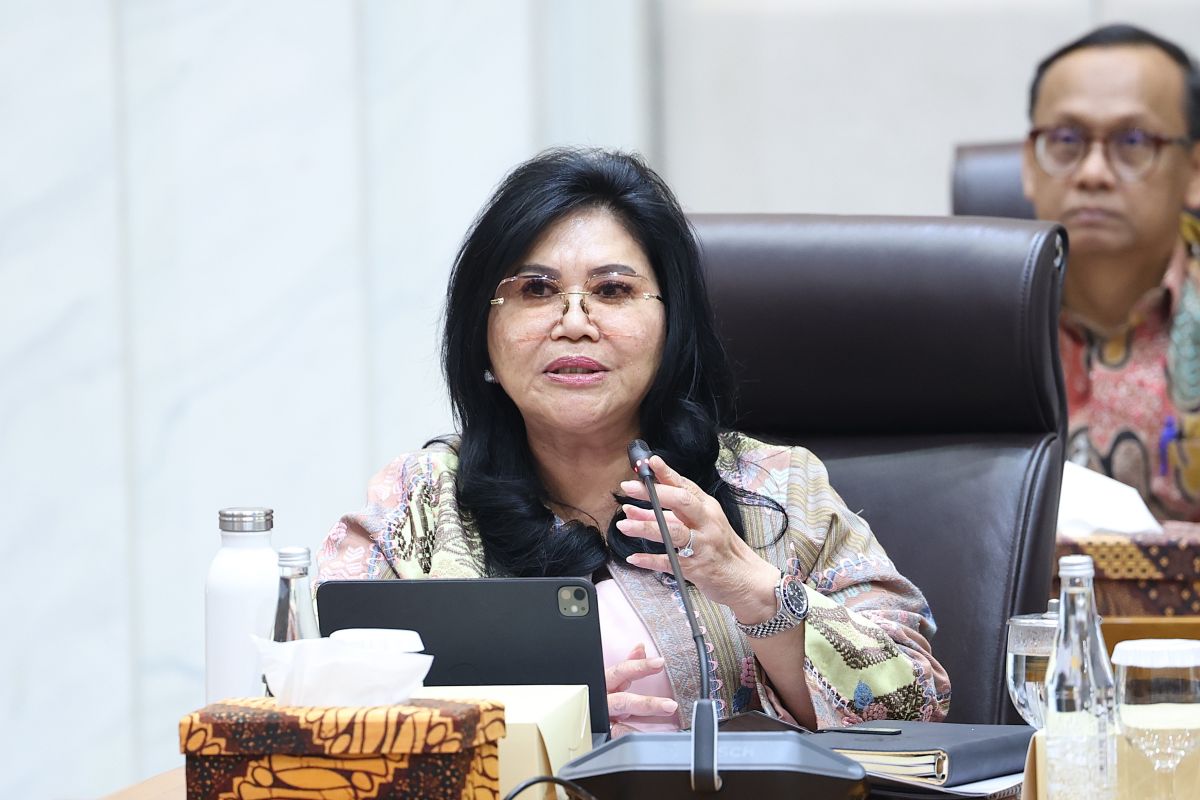
Jakarta (ANTARA) - Deputy Speaker of the House of Representatives Commission VII, Evita Nursanty, has stated that the visa-free visit policy, projected to be a catalyst for foreign tourist arrivals, can help boost domestic economic turnover. “Tourist spending will drive the hotel, restaurant, transportation, airline, tourism destination, MSME, and creative economy sectors, as well as shopping centres, whilst also increasing tax revenue and creating jobs,” she said in a statement in Jakarta on Friday. Evita said she respects the view of Director General of Immigration Hendarsam, who cautioned that the plan to add more countries to the visa-free list, as proposed by Tourism Minister Widiyanti Putri Wardhana, needs careful study. She did not deny that the visa-free policy could potentially cause the state to lose non-tax state revenue from visa payments. “If the policy can increase quality tourist visits, the resulting economic turnover could far outweigh the lost non-tax state revenue,” she remarked. According to Evita, the success of the visa-free policy should be measured by net economic benefit, not just visa revenue. She said the visa-free policy is an important instrument for increasing Indonesia’s tourism competitiveness amid global competition. In the region, she noted, countries such as Thailand, Malaysia, Singapore, and Vietnam have already made ease of entry an instrument to boost tourism competitiveness, attract investment, and strengthen their economies. She said Indonesia must not be left behind in this competition. “Amid increasingly diverse destination choices, ease of access has become one of the factors influencing tourists’ decisions to visit,” she said. Evita supports the Tourism Minister’s proposal to implement the visa-free visit policy using an 8+1 formula for potential countries and territorial entities, including those in East and South Asia (Japan, South Korea, and India), Oceania (Australia and New Zealand), and Eastern Europe and Central Asia (Belarus and Kazakhstan). However, she stressed that the policy must be based on the principles of selectivity, reciprocity, and benefit, as well as consider national security aspects. “We must find the best balance between state revenue, economic growth, tourism competitiveness, investment, and national security. That is a policy that truly serves the national interest,” Evita concluded.