
House Committee II Raises Concerns Over Civil Servants’ Salaries Being Paid Through Village Co-operatives, Citing Regional Banks
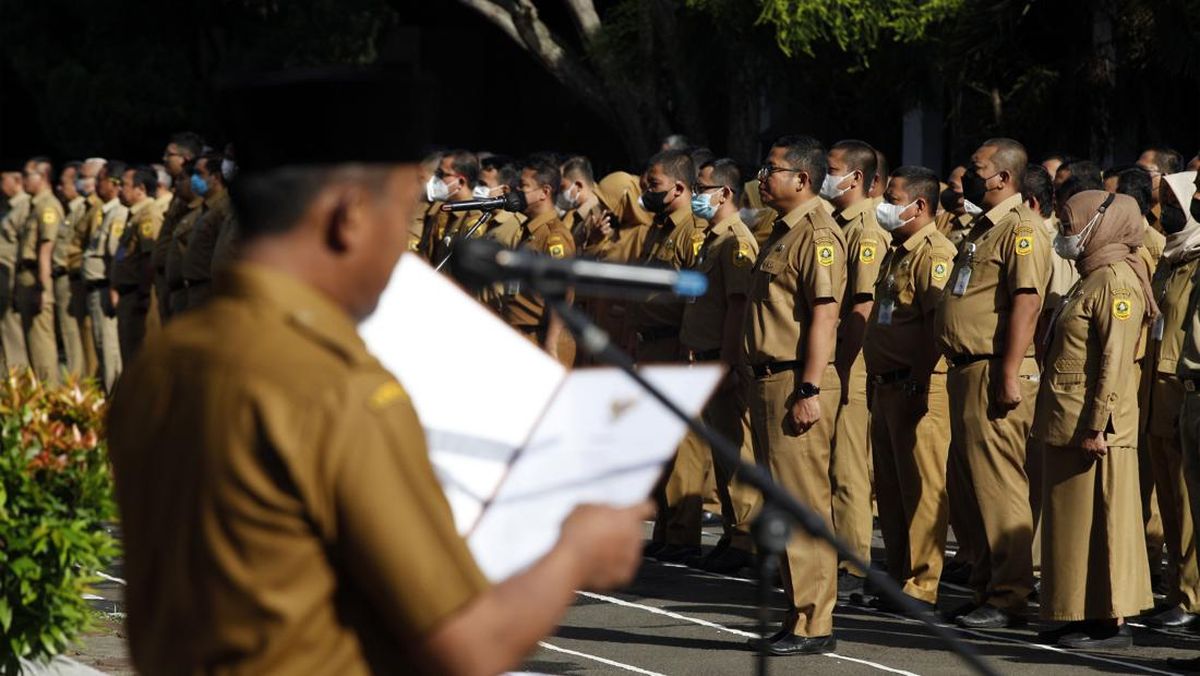
Rifqinizamy Karsayuda, chairman of Commission II of the House of Representatives (DPR RI), has responded to the Prabowo Subianto administration’s proposal to pay civil servants’ salaries through Merah Putih Village/Urban Ward Co-operatives (KDKMP), rather than through banks.
He said several regional banking associations were concerned about transferring civil servants’ salary payments from regional banks to the co-operatives.
“Recently, the Regional Banking Association, or Asbanda, which brings together regional development banks across Indonesia, has expressed concern that cash and salary transfers could move from regional banks to state-owned banks (Himbara),” Rifqinizamy told reporters on Thursday (15 October).
Rifqinizamy also expressed concern that, if the proposal were implemented, as much as 70 per cent of regional banks’ funds could be redirected to KDKMP. He warned that this could cause regional banks to collapse.
“This would shift the low-cost funds held by regional banks, which account for an average of 70 per cent, and could cause many of our regional banks across Indonesia to collapse,” he said.
Commission II believes regional banks, as regionally owned enterprises (BUMD), must be protected. In that context, Rifqinizamy proposed a two-part salary-payment arrangement.
Civil servants working in central government could be paid directly through KDKMP. Those based in the regions, however, would continue to receive their salaries through regional banks, which could work with the relevant local co-operatives.
“That would allow the ecosystem to remain intact,” Rifqinizamy said.
He noted that civil servants and government employees on employment contracts (PPPK) hold most of their credit with regional banks. If salaries were no longer paid through those banks, they could struggle to make automatic deductions for employees’ loan repayments.
“This is something I believe needs attention: these are technical matters, but one state policy must not end up destroying another part of the national ecosystem,” said the NasDem politician.
The government has previously said it is preparing a scheme to pay civil servants through the Merah Putih Village Co-operatives. The plan is targeted for implementation this year or in 2026.
Co-operatives Minister Ferry Juliantono said the proposal had been submitted to the Ministry of Finance and that the government was preparing the payment mechanism.
“The mechanism may already have been budgeted; the payment has been proposed to the Ministry of Finance and will be ready to be paid,” Ferry said, as quoted by detikFinance at the Coordinating Ministry for Food Affairs in Central Jakarta on Wednesday (14 October).
Asked whether payments through the co-operatives would begin in 2027 or this year, Ferry gave a brief answer, saying they would start this year.
“Now,” he stressed.
Ferry has not yet provided details of how salaries would be channelled through the co-operatives, when the first payment would be made or which co-operatives would take part.
Source: jawawa.id (https://jawawa.id/newsitem/house-committee-ii-raises-concerns-over-civil-servants-salaries-being-paid-through-village-co-operatives-1792151596)
Originally published by CNN Indonesia (https://www.cnnindonesia.com/nasional/20261016131730-32-1416123/catatan-komisi-ii-dpr-soal-gaji-pns-lewat-kopdes-soroti-bank-daerah), translated from Indonesian