
House Commission XIII Pushes for Replication of Literacy Programme at Surabaya Detention Centre
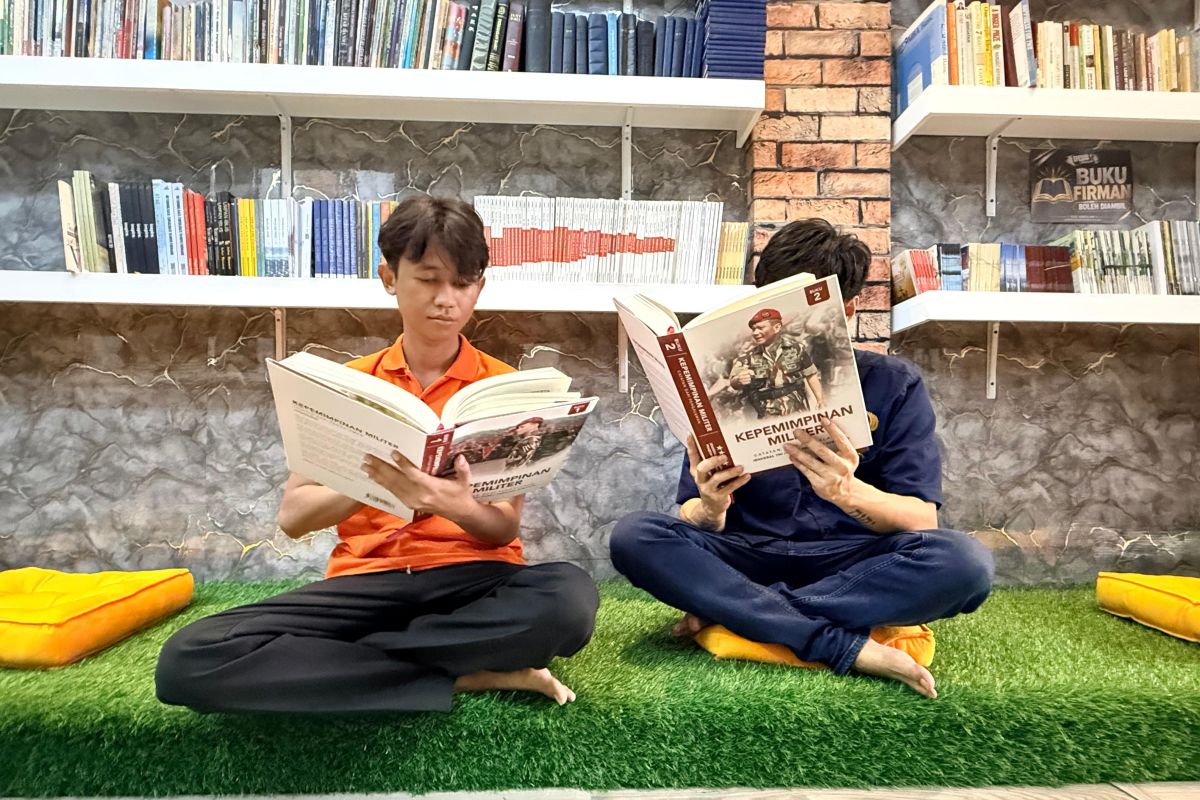
Deputy Chairman of Commission XIII of the Indonesian House of Representatives (DPR RI), Sugiat Santoso, has assessed the correctional literacy programme implemented at the Class I State Detention Centre (Rutan) in Surabaya, East Java, as a model for inmate development worthy of national reference. Sugiat stated that the Surabaya Detention Centre has successfully transformed its correctional approach from punitive measures to the restoration of relationships, life, and livelihoods for inmates.
He expressed appreciation for the literacy programme innovation developed by the Surabaya Class I Detention Centre, describing it as a form of coaching that is creative, educational, and oriented towards building human quality. According to Sugiat, the innovation of converting sanctions for disciplinary violations into an obligation to read books and write essays represents a breakthrough in coaching and disciplinary enforcement. He opined that conventional approaches such as isolation or solitary confinement were becoming less effective in changing inmate behaviour.
This approach, which turns disciplinary sanctions into a learning tool through reading and writing activities, is seen as a positive step aligned with the spirit of correctional transformation. He added that the programme not only builds a literacy culture within the correctional environment but also instils character values, responsibility, and self-awareness in the inmates.
The literacy programme at the Surabaya Class I Detention Centre integrates the library as a centre for behavioural rehabilitation. Inmates who violate rules are no longer subjected to isolation sanctions but are instead required to read in a reading corner, compose a summary or reflective essay, and present their reading results to correctional officers. The provided book collections include various biographies of national figures, including a biography of President Prabowo Subianto. He noted that biographical books serve not only as reading material but also as a means to learn values of leadership, discipline, integrity, and hard work.
Sugiat assessed that providing various biographical books of President Prabowo and national figures is a good effort to introduce values of leadership, struggle, discipline, integrity, hard work, and the spirit of service to the nation and state. He added that the internalisation of positive values from national figures is crucial for the future of prisoners and detainees, acting as a provision for inmates to plan their future and prepare themselves to become productive members of society again.
Commission XIII of the DPR RI believes that the success of the programme at the Surabaya Detention Centre should not remain a local practice; it can be adopted nationally through policy standardisation by the Directorate General of Corrections of the Ministry of Immigration and Corrections. Sugiat hopes the literacy-based coaching model can be replicated in correctional facilities and detention centres across Indonesia, especially in facing the challenges of overcapacity and limited security personnel. He voiced hope that such innovations continue to develop and inspire other correctional work units to provide coaching that is more humanistic, high-quality, and has a real impact on behavioural change and character building of inmates.
Meanwhile, Head of the Surabaya Class I Detention Centre, Tristiantoro Adi Wibowo, explained that the literacy programme is part of a coaching strategy to encourage more sustainable behavioural change. He stated that internal evaluations show conventional isolation approaches often provoke psychological resistance. In contrast, the method of reading and writing essays is considered to encourage inmates to reflect on the mistakes they have made. The facility believes that lasting behavioural change is born from awareness, not merely punishment. Through the programme, inmates are encouraged to read and write essays as a tool for self-reflection, with the hope that understanding the values of struggle, discipline, integrity, and responsibility from the books read, including biographies of the President and national figures, will foster an awareness to improve oneself, strengthen character, and plan a better future.