
House Commission XIII Member Highlights Trauma of Child Witness to Fatal Mass Violence in Bali
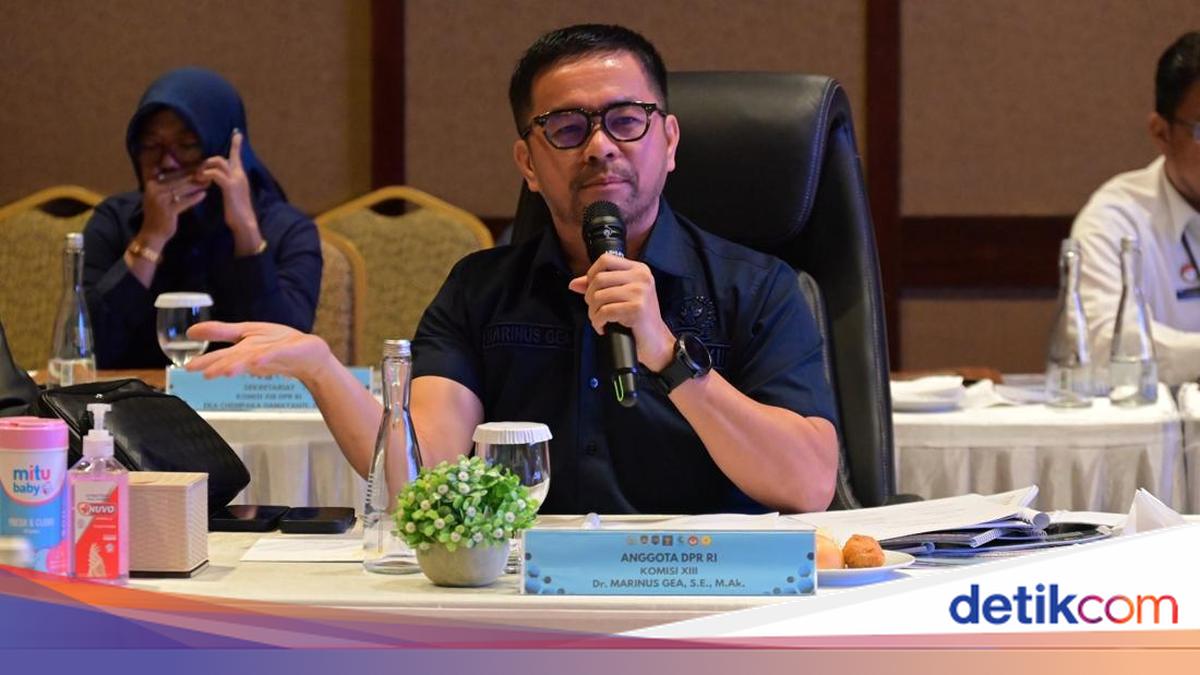
Marinus Gea, a member of the Indonesian House of Representatives (DPR RI) Commission XIII, has expressed serious concern over the psychological condition of a child victim who witnessed first-hand the death of their father as a result of mob violence in Bali.
According to him, the tragic event has the potential to leave deep trauma that could affect the child’s development if not addressed professionally as soon as possible.
Marinus said the child, who is still in the first year of primary school, has not only lost their father but also had to witness first-hand an extremely traumatic event.
“I am deeply concerned because a child still in the first year of primary school had to witness first-hand the death of their father as a result of that act of violence. This event leaves very deep psychological wounds. The impact could affect the child’s mental and emotional development, and even their future, if they do not receive adequate support promptly,” Marinus said in a statement on Wednesday (29 July 2026).
He stressed that the state has an obligation to provide protection and recovery to children who become victims, including indirect victims of a criminal act.
Marinus said this is stipulated in Law Number 35 of 2014 on the Amendment to Law Number 23 of 2002 on Child Protection, which guarantees every child’s right to protection from violence as well as rehabilitation and assistance.
Therefore, Marinus called on the government, through the relevant ministries and agencies together with regional governments, to promptly provide psychological support services to the child victim so that the recovery process can begin as early as possible.
“Psychological support must not be delayed. This child needs special attention so that the trauma they have experienced does not develop into a disorder that affects their life and future. The state must be present to ensure their rights are protected,” he asserted.
Marinus added that protection for victims must not stop at those who have died.
In his view, the victim’s family, particularly children traumatised by witnessing the violence first-hand, must also be the focus of the victim protection system.
“This event serves as a reminder that victim protection must encompass families, especially children experiencing trauma. They need support, rehabilitation, and guarantees so that they can return to living their lives in a healthy, safe, and dignified manner,” Marinus concluded.