
House Commission XIII: Imipas Food Programme Motivates Inmates
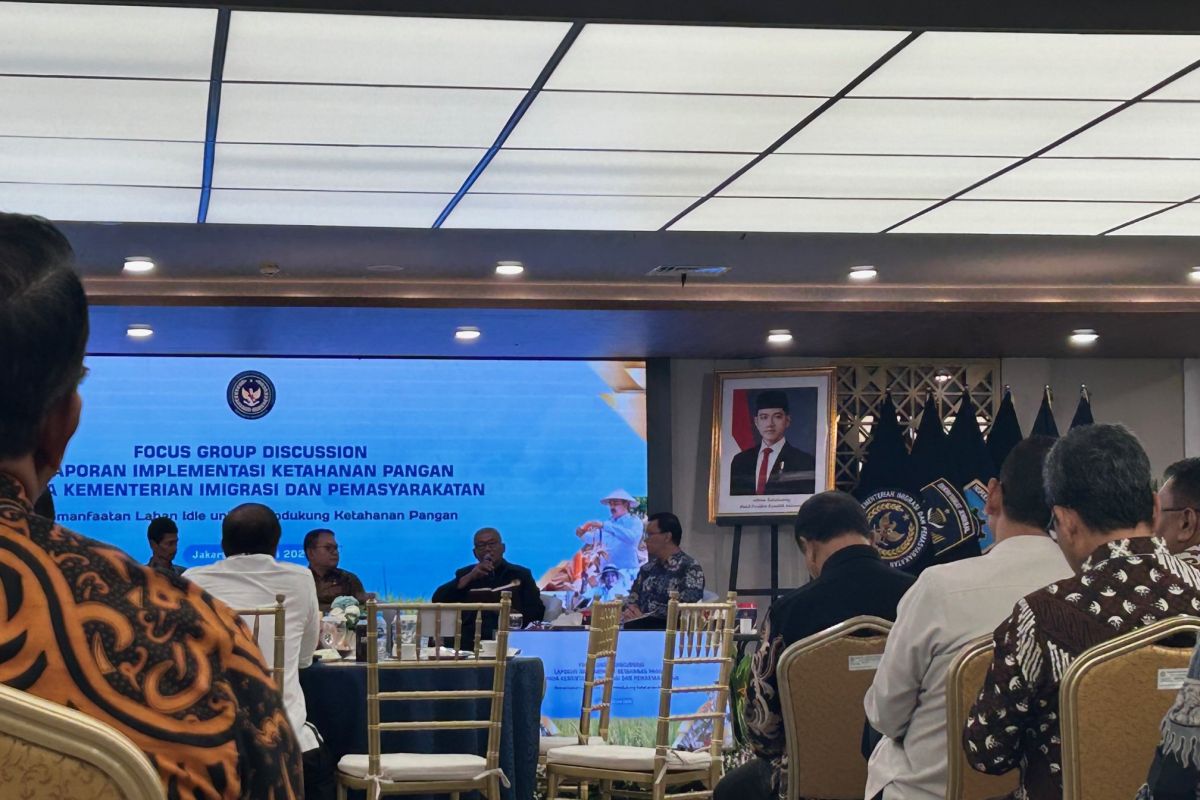
Jakarta - The food self-sufficiency programme run by the Ministry of Immigration and Corrections (Imipas) can motivate inmates to return to society and fulfil their social functions without stigma after serving their sentences, according to a lawmaker. Agun Gunandjar Sudarsa, a member of House Commission XIII, stated during a focus group discussion held by the ministry in Jakarta on Tuesday that the programme deserves to be continued as it aligns with the correctional goal of rehabilitating offenders into productive citizens. Based on research findings and his experience as Chairman of the Indonesian Association of Retired Correctional Officers, the food security programme implemented in several prisons and detention centres is relevant to the correctional function. “Although food security is not the primary task and function of the Ministry of Immigration and Corrections, this programme remains relevant because corrections is a system of treatment for lawbreakers,” he said. He emphasised that the punishment imposed by the state on offenders is not an act of revenge, but an effort to make them aware and reintegrate them as good citizens in society. During the forum, Agun provided several notes to further strengthen the food self-sufficiency programme, particularly regarding the selection of participating inmates. He pointed out that the correctional system classifies detainees who are still undergoing judicial proceedings and are placed in detention centres, and convicts who have received court decisions and are serving sentences in prisons. “This is where special treatment is needed for inmates because after being sentenced, they cannot just be told to eat and sleep,” he said. Agun stated that inmates need to be prepared to return to society through various rehabilitation programmes, such as skills training, independence training, social guidance, and spiritual development. He stressed that good rehabilitation within the correctional environment can at least prevent recidivism or the repetition of criminal acts. Agun also cautioned against the exploitation of inmates in the implementation of the food self-sufficiency programme. Therefore, an assessment is necessary to ensure that participants meet the established requirements. According to him, inmates who meet certain criteria can be involved in activities outside the prison, while rehabilitation activities inside the prison remain open to all prisoners. Selection based on compliance, obedience, and behaviour can also serve as an indicator for granting certain rights, such as leave, remission, or other forms of sentence reduction.