
House Commission XIII Highlights Prison Overcapacity and Inmate Rehabilitation in Morowali
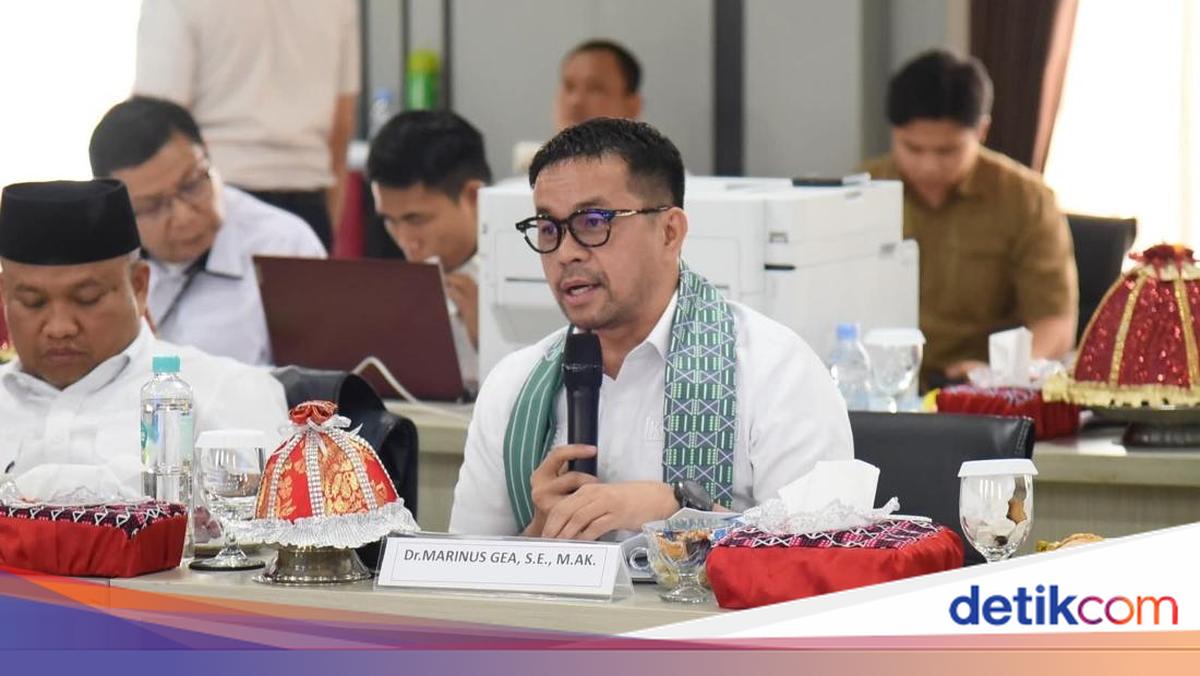
Members of House Commission XIII and the People’s Consultative Assembly, Marinus Gea, highlighted various correctional issues during a working visit by the commission to Morowali, Central Sulawesi. The discussions focused on the conditions of inmates (WBP), the potential for prison overcapacity, and the need for new detention centres in the area. In meetings with officials from the Central Sulawesi Regional Office of the Ministry of Human Rights (Kanwil Kemenham) Sulteng, the Deputy Chair of the Witness and Victim Protection Agency (LPSK), the Central Sulawesi Regional Office of the Directorate General of Corrections (Kanwil Ditjenpas) Sulteng, and the Central Sulawesi Regional Office of the Directorate General of Immigration (Kanwil Ditjenim) Sulteng, Marinus Gea stressed the importance of clarifying data on the number of inmates, particularly those still under detention status. He revealed that out of a total of 4,169 inmates, there are 952 individuals still under detention status, either in legal proceedings or as temporary placements. According to him, this status needs to be clarified as it can affect assessments of prison capacity. “If some of the 952 are still temporary placements and not yet the responsibility of the prison, then it cannot immediately be said to be overcapacity. This must be clear,” said Marinus in a written statement on Friday (24/4/2026). Additionally, he highlighted the high number of inmates involved in narcotics cases, reaching around 49% of the total inmates. Marinus requested more detailed explanations regarding the classification of drug dealers, both large and small categories, as well as placement policies, including transfers to Nusakambangan Prison. He also questioned whether the number of inmates is one of the indicators in budget submissions for each correctional unit, given its impact on planning for facilities and resources. Furthermore, Marinus encouraged the optimisation of the implementation of the new Criminal Code (KUHP) and Criminal Procedure Code (KUHAP), particularly in creating productive rehabilitation programmes for inmates. He proposed that collaborations with the industrial sector, such as mining in Morowali, could be utilised as part of the rehabilitation efforts. “If they have no activities, the potential for security disturbances could increase. Concrete solutions are needed, including possible collaborations with industry so they remain productive,” he concluded.