
House Commission XI: PFII Law Not Rushed, but Must Seize Global Opportunities
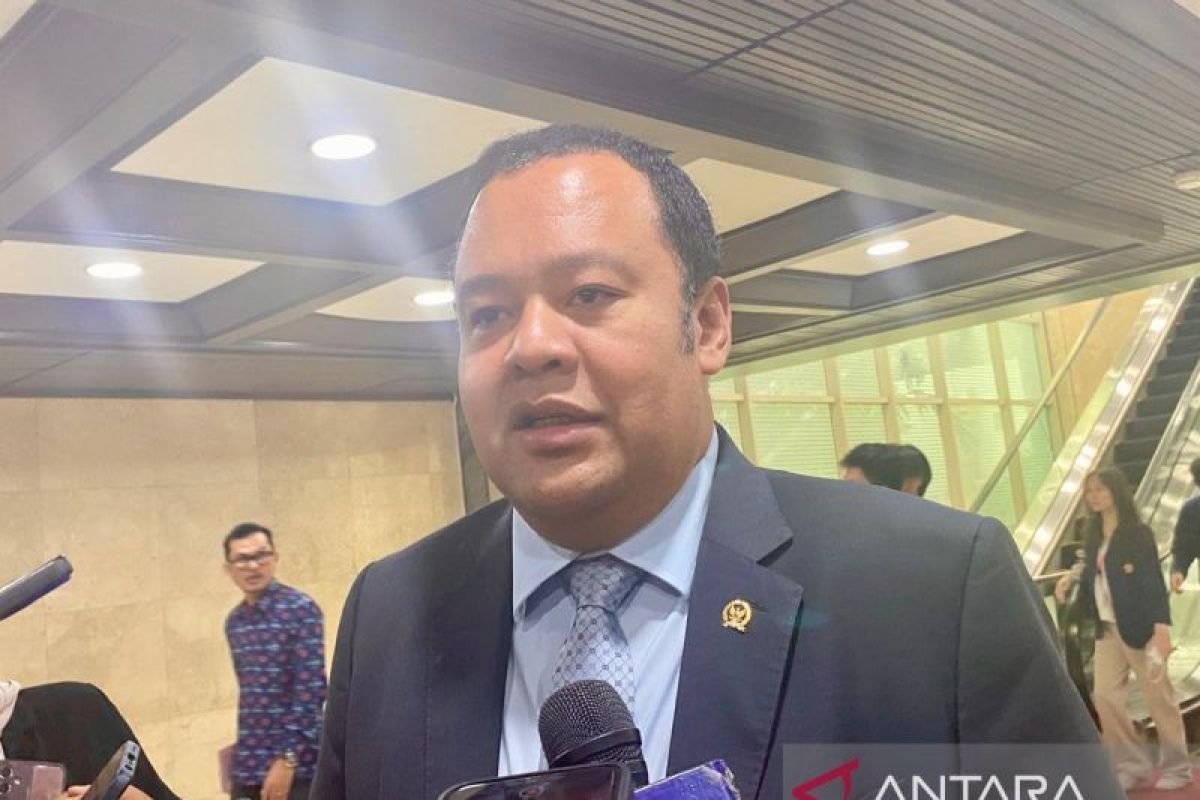
Deputy Chairman of Commission XI of the Indonesian House of Representatives, Mohamad Hekal, has stressed that the drafting of the Law on the Indonesian International Financial Centre (PFII) is not being done hastily, although it must be accelerated to capture the opportunity of global fund movements entering Indonesia. “It is not rushed. Indeed, this is a mandate from the P2SK Law,” Hekal said when met by journalists at the Parliament Complex in Jakarta on Tuesday. Hekal, who also chairs the PFII Bill Working Committee, explained that the drafting of this law is a mandate from the Law on Financial Sector Development and Strengthening (P2SK), which must be completed within three months. He revealed that initially, provisions regarding the PFII were planned to be included in the P2SK Law. However, because the scope was quite large, the discussion was separated into its own law. “But indeed, this is a programme that we are somewhat prioritising,” Hekal said. He added that Indonesia wants to take advantage of the opportunity of global fund movements amidst world economic uncertainty. If Indonesia is late, this opportunity could potentially shift to other countries that are also developing international financial centres. “Because in other countries, many have just recently launched new financial centres. We hear that Uzbekistan has just launched a financial centre, and Vietnam even launched two at once. So we are somewhat in a racing process,” he said. Hekal stated that the momentum of global fund movement will not last forever, so the government wants to immediately establish the PFII. According to him, once investors determine a new destination for fund placement, they tend not to move again in the near future. “We must capture them as early as possible. So the hope is as soon as possible,” he said. Through the PFII, the government is also targeting funds from the world’s wealthy families managed through various family offices. “All this time, including some of the money belonging to Indonesians, has been looking for places we hear about like Singapore, Hong Kong, and others. They can place it there. And more than that, we hope that other people’s money abroad can be placed there,” Hekal said. He noted that the value of funds managed by family offices in various world financial centres is estimated to reach around 3.2 trillion US dollars, with about 65 percent of it currently looking for new placement locations amidst global uncertainty. “Why are they looking for a new ‘home’? Because their ‘homes’ are being shaken. One of the big ones looking for a new ‘home’ is in the American region. So, we hope we can immediately form our PFII,” he said. Hekal reminded that Indonesia also needs investment to drive economic growth. Therefore, the existence of the PFII is expected to become a gateway for global funds that can ultimately support the Indonesian economy. Bali is one of the areas projected to be the location of the PFII because it is considered to have become a primary destination for foreign citizens when they travel to Indonesia. “The hope is that they, the foreign investors, are here, their money follows, and the investment opportunity is right in front of them through the existence of the PFII. So, their coming and going is not too difficult,” Hekal said. Besides attracting investment, the existence of the PFII is also expected to increase liquidity, especially in the form of foreign exchange, thereby strengthening the rupiah’s position and expanding sources of financing for Indonesia’s economic growth programmes.