
House Commission XI Ensures Indonesia Complies with Global Minimum Tax at PFII
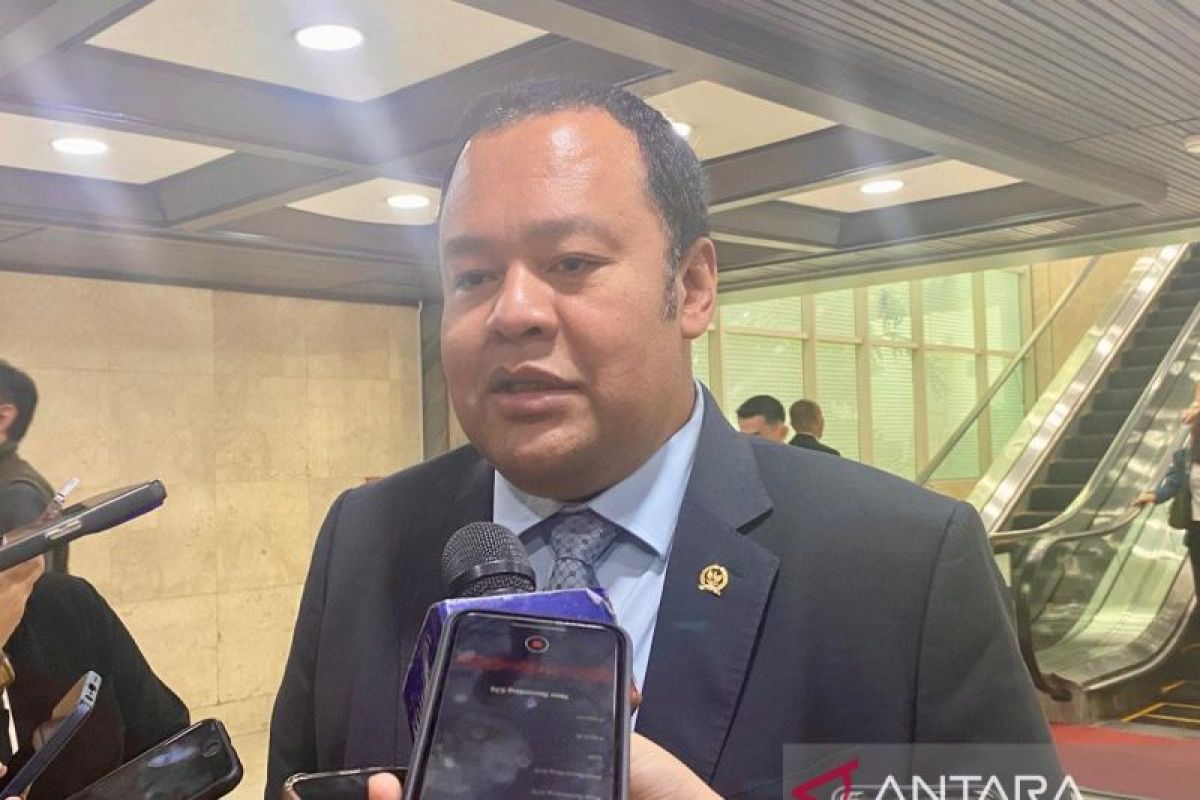
Deputy Chairman of House Commission XI, Mohamad Hekal, has affirmed that Indonesia will continue to comply with the Global Minimum Tax (GMT), despite offering a 0% income tax rate for investors in the Indonesian International Financial Centre (PFII). “It can be 0% up to the limit where we must comply with the global minimum tax,” Hekal told reporters at the Parliament Complex in Jakarta on Tuesday. Hekal explained that even if not taxed in Indonesia, companies falling under the GMT provisions will still be taxed in their home country. Therefore, Indonesia remains committed to the global rules. The GMT provisions apply to multinational corporate groups with a global consolidated turnover of at least 750 million euros. Under these provisions, companies are subject to a minimum effective tax rate of 15%. Hekal noted that similar schemes are also applied in various international financial centres. Despite offering tax incentives, those jurisdictions still comply with the GMT provisions. He added that Indonesia will not relinquish its taxing rights once a company meets the requirements to be subject to the minimum tax. “Within the limits, yes. If it reaches the threshold where it must pay tax, then we will impose the tax as well,” Hekal said. Furthermore, he stated that the 0% income tax facility is a principle agreed upon in the PFII Law. Meanwhile, provisions regarding other tax facilities, the amount of incentives, and eligible recipients will be further regulated through a Minister of Finance Regulation, while still referring to the GMT provisions. According to Hekal, the 50-year period for the facility is also stipulated in the law. “The 50 years, of course, as mentioned. To whom it applies will be detailed later. The rules will be more precisely issued by the Minister of Finance Regulation,” Hekal said. The House of Representatives’ plenary session on Tuesday approved the PFII Bill to be passed into law. The new law contains 10 chapters, including chapters detailing tax facilities and other special facilities, such as income tax facilities, value-added tax and/or sales tax on luxury goods facilities, and customs facilities. It also includes provisions on the tax treatment of inheritance and the tax treatment of initial PFII investments. This chapter also regulates reporting and administrative rights and obligations, as well as sanctions related to tax facilities and other special facilities for business actors, experts, or other parties within the PFII area. Finance Minister Purbaya Yudhi Sadewa stated that the presence of the PFII is not to replace the existing domestic financial system, but to complement it with an integrated world-class ecosystem.