
House Commission VII Stresses Consistent Development of Indonesia's Industrialisation
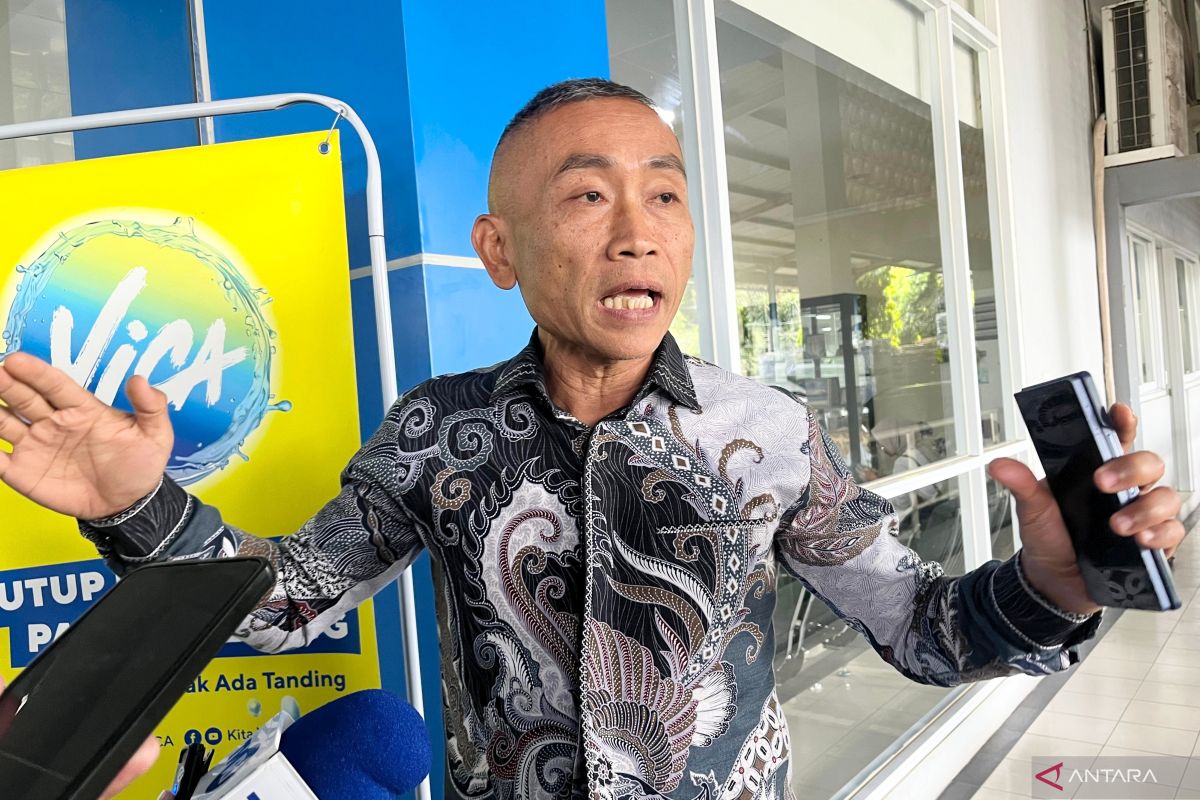
Jakarta (ANTARA) - Member of House Commission VII Yoyok Riyo Sudibyo has stressed that Indonesia’s industrialisation policy has been built consistently and has become a foundation for strengthening the competitiveness of national industry. In a statement confirmed in Jakarta on Wednesday, he explained that the government has long supported industrialisation, including the automotive sector through the User Specific Duty Free Scheme (USDFS) facility since 2008. This facility has realised imports of raw materials and components of approximately 8.25 million tonnes with a value reaching 800 billion US dollars, with the majority of recipients coming from the automotive sector. Yoyok also assessed that the government successfully dampened the potential relocation of PT SAI and PT JAI through dialogue between the companies, Japanese principals, and labour unions, thereby minimising the threat of layoffs. Furthermore, according to him, the performance of the automotive industry is also showing a positive trend. In the first quarter of 2026, the four-wheeled vehicle industry grew by approximately 14 per cent year-on-year, while throughout 2025, Indonesia’s automotive component exports reached more than 100 countries with a value exceeding 7 billion US dollars. “Such data would not be possible if the industrial ecosystem were poor. Growth in production, exports, and investment are indicators that the industrialisation policy built by the government over the years has yielded tangible results,” he said. Yoyok affirmed that his commission will continue to oversee government policies to ensure they remain responsive to industry challenges and safeguard jobs. “All of this is the result of an industrialisation policy built consistently over many years,” he said. Previously, in an official statement, Daily Chairman and Chairman of the Organiser of the Exhibition and Conference of the Association of Indonesian Automotive Industries (Gaikindo) Anton Kumonty, appreciated the government’s commitment to continue viewing investors as strategic partners through incentives, adaptive regulations, and continuous dialogue. According to Anton, various policies implemented over the past few years have provided certainty for investors while encouraging industrial development. One policy deemed helpful to the industry is the USDFS facility, which provides import duty exemptions on raw materials and components that cannot yet be produced domestically. Gaikindo also proposed that the government provide stimulus for all types of vehicles, from ICE, HEV, PHEV to BEV, to maintain the growth of the national automotive market.