
House Commission VII Reviews Stricter Rules on Microplastics and Refillable Water Gallons
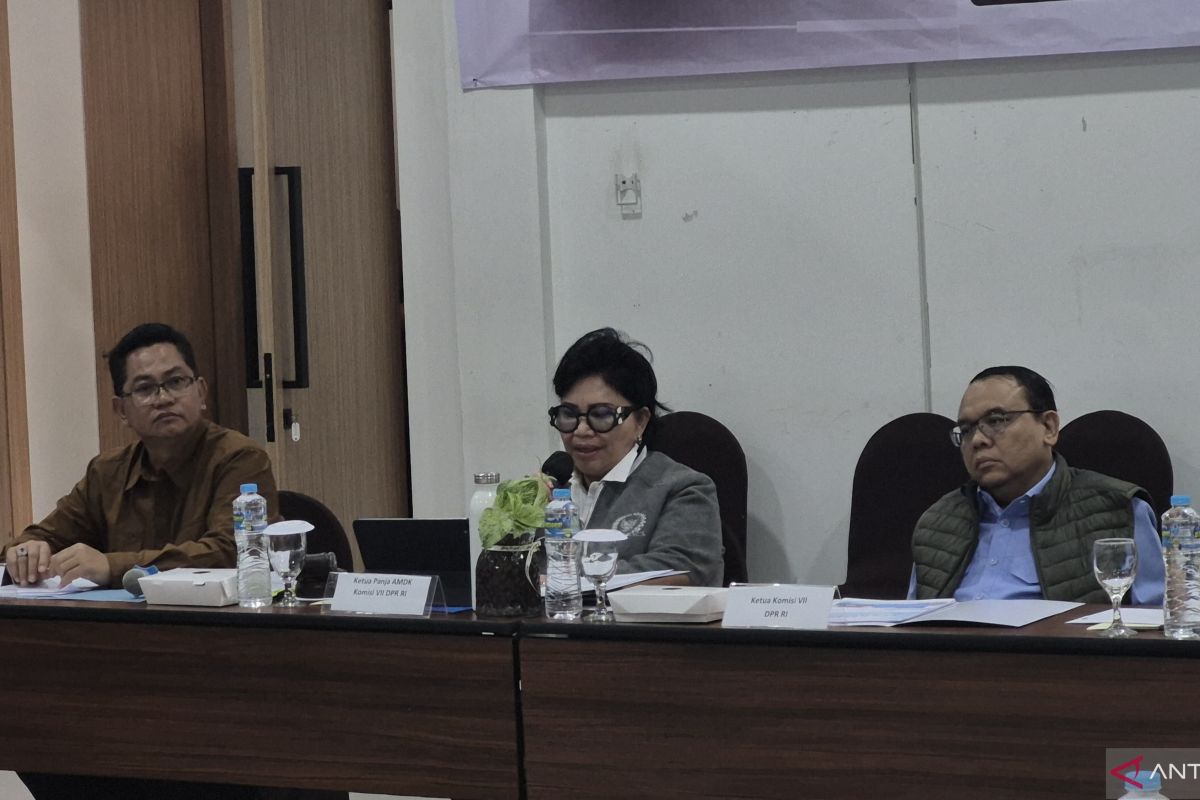
The Indonesian House of Representatives Commission VII is reviewing the strengthening of regulations related to the issue of microplastics and the use of refillable bottled drinking water (AMDK) gallons as part of efforts to improve consumer protection. Evita Nursanty, Chair of the AMDK Working Committee of Commission VII, stated in Bandung on Thursday that several challenges in the AMDK industry require attention, including the absence of clear standards regarding the lifespan of refillable gallons and packaging materials. “We are not yet addressing microplastics. Then there are many complaints about refillable gallon packaging. There are no rules yet, whether the lifespan should be two years, three years, or what. The future materials and standardisation are also not yet in place,” she said. According to her, this strengthening effort follows various inputs received by the Working Committee from industry players and will be compiled as material for policy recommendations to the government. “Our goal is not to find who is at fault. It is about how future policies truly serve the interests of our nation and state, especially the people who drink this water,” she stated. Evita assessed that bottled drinking water products require greater attention because they are directly consumed by the public and relate to health, thus supervision and applied standards must be stricter. She also highlighted the importance of strengthening audits and supervision of the AMDK industry following findings in meetings with the Food and Drug Supervisory Agency (BPOM) and the National Consumer Protection Agency (BPKN) regarding aspects that need improvement in the industry’s governance. “Every time raw materials arrive, we conduct an analysis first to ensure they are fit for use. If they do not meet the specified measurements or quality, they cannot be produced,” she said. She added that managing the impact of packaging, including waste issues, is a shared responsibility between companies, the government, and other relevant parties, thus requiring continuous supervision.