
House Commission IX Urges Health Ministry to Review Proposal for Free Nutritious Meals for TB Patients
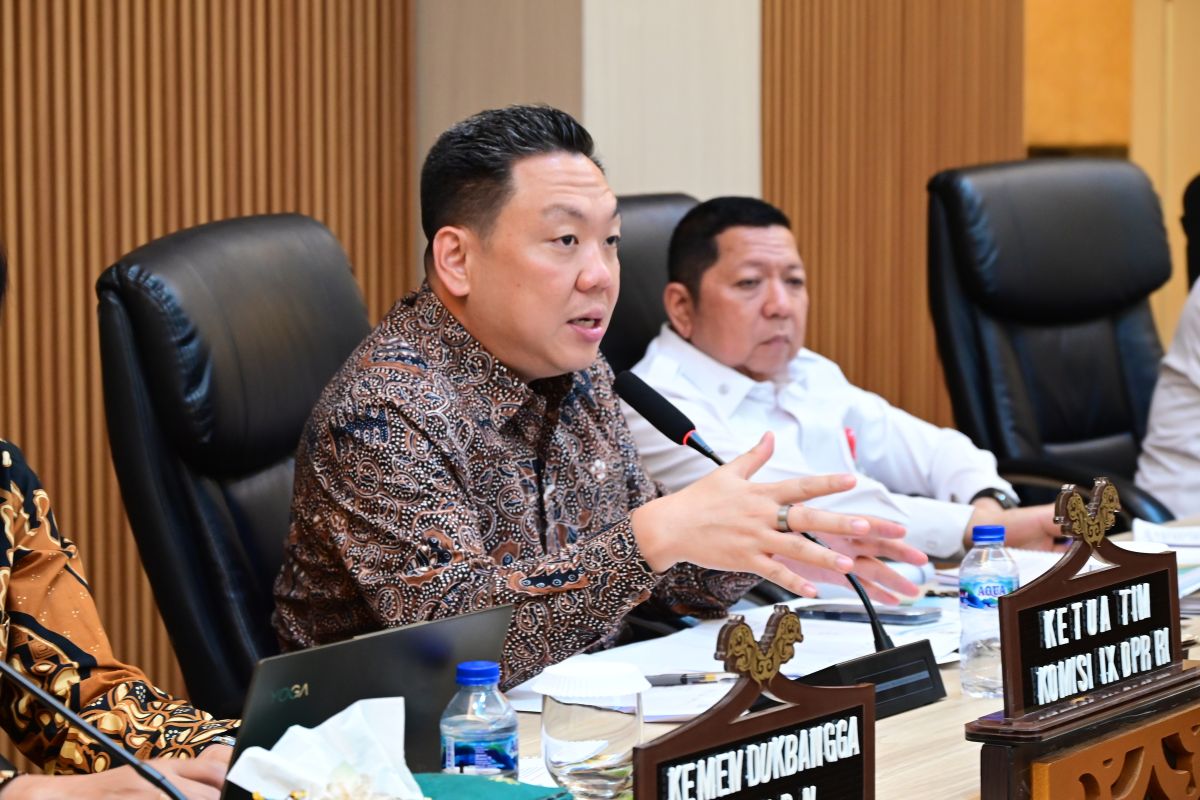
Jakarta (ANTARA) - Deputy Chairman of Commission IX of the Indonesian House of Representatives (DPR RI), Charles Honoris, has requested the Ministry of Health to review the plan to make tuberculosis (TBC) patients a recipient group for the Free Nutritious Meals (MBG) programme. “In principle, I agree with nutritional interventions for vulnerable communities, including those suffering from TBC. But is it appropriate to provide MBG to TBC patients? I think this needs to be re-examined,” Charles said when met at the Parliament Complex, Jakarta, Wednesday. According to Charles, technically the distribution would be difficult because there may not be a Nutritional Service Fulfilment Unit (SPPG) near the TBC patient. Additionally, the plan is considered risky given that TBC is a contagious disease. “Will the ompreng (stackable meal container) used be returned to the SPPG and reused? Or could it instead transmit the disease to other beneficiaries who do not have TBC,” he said. As a legislator overseeing the health and social security sectors, Charles suggested the Ministry of Health should instead coordinate with local health offices and utilise community health centres (puskesmas) to assist TBC patients. “There are other, more appropriate ways to carry out nutritional interventions for TBC patients. Not everything has to be MBG,” he stated. Previously, Health Minister Budi Gunadi Sadikin proposed that TBC patients be included as a beneficiary group for MBG. According to Budi, fulfilling the nutritional needs of patients can speed up recovery and reduce mortality rates. Budi, when met at the Parliament Complex, Jakarta, Tuesday (23/6), said the proposal was based on various international research findings showing that TBC patients require adequate nutritional intake. “TBC patients are treated for six to twelve months, during which their physical condition is weak, so if they can receive sufficient or slightly more nutrition, it will strengthen them and accelerate recovery, and that saves lives because TBC is deadly,” he said. Budi admitted he had communicated with the Head of the National Nutrition Agency, Sudaryati Deyang, regarding the idea. “That’s why yesterday I spoke with Mrs Nanik, as she wants to improve and focus the distribution of MBG. ‘Who should the targets be?’ she asked me. I said, ‘Ma’am, MBG really helps me solve health problems’,” he said. According to the Health Minister, there are four groups vulnerable to nutritional deficiency problems: pregnant women, breastfeeding mothers, toddlers under five years old, and TBC patients.