
House Commission IX Supports BGN Moratorium on SPPG Construction
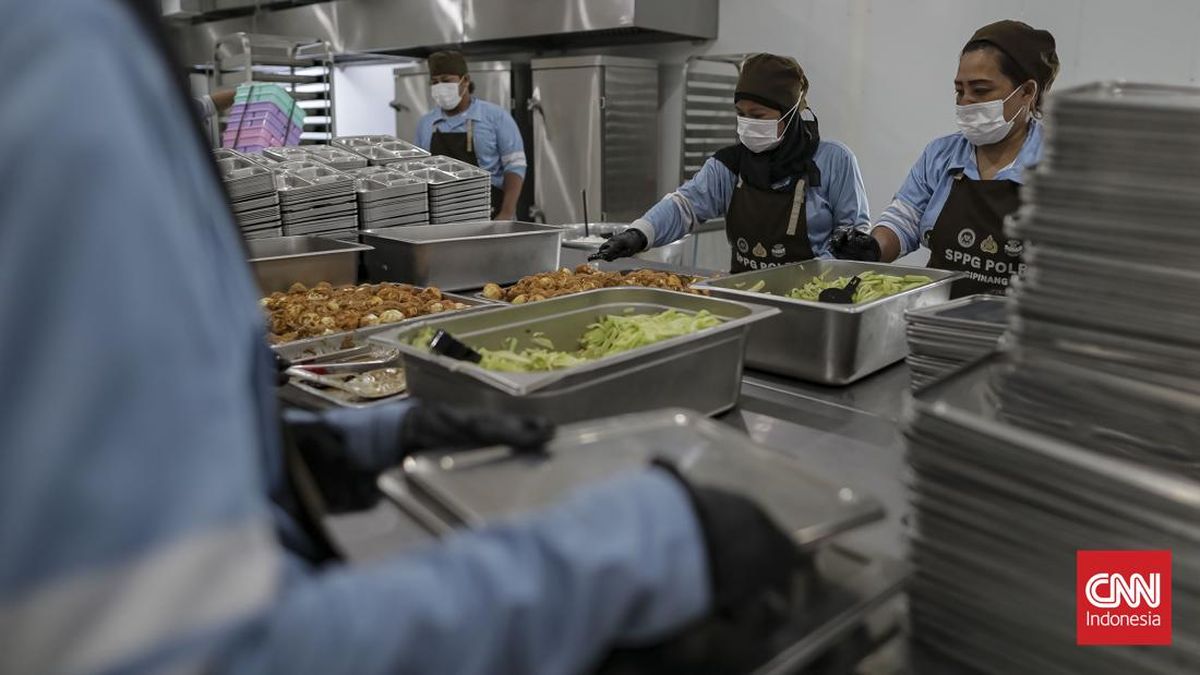
Deputy Chairman of Commission IX of the Indonesian House of Representatives, Charles Honoris, supports the National Nutrition Agency’s (BGN) move to impose a moratorium on the construction of kitchens or Nutrition Fulfilment Service Units (SPPG) under the Free Nutritious Meals (MBG) programme. He considers the decision appropriate for strengthening the programme’s quality while safeguarding the state’s fiscal health. “We welcome the various corrective measures announced by the Head of BGN, particularly the policy on the moratorium for new SPPG kitchen construction, the refocusing of beneficiaries, and the shift from quantity to quality for the MBG,” said Charles in a written statement on Thursday (11/6). He believes the MBG programme needs to be directed as a more targeted nutritional intervention instrument, especially for vulnerable groups such as toddlers, school-age children from underprivileged families, pregnant women, breastfeeding mothers, and communities in areas with high nutritional vulnerability. “Especially in a state financial situation that is facing pressure, the move to hold back expansion and prioritise improvement is a wise and responsible choice,” he said. Charles stated that the success of the MBG is not solely measured by the number of beneficiaries, but by the programme’s ability to improve the nutritional status of the community and enhance the quality of Indonesian human resources. “Not all children have to be MBG beneficiaries. The programme needs to be focused on those facing the risk of malnutrition, stunting, and limited access to nutritious food,” he said. Head of BGN, Nanik S Deyang, previously stated she would conduct a comprehensive restructuring of the MBG Programme. Nanik said the main focus of her leadership is strengthening programme governance so that the benefits of MBG remain optimal without burdening state finances. “As I conveyed some time ago, we are focused on budget efficiency. So that we do not burden the state budget at this time, without changing the target of the nutrition we provide,” said Nanik. According to Nanik, the MBG programme functions not only as an instrument for improving the community’s nutritional quality but also has a broad economic impact as it mobilises the food supply chain, local businesses, and supporting service sectors in various regions. One of the steps taken is BGN’s decision to impose a moratorium on the construction of new kitchens. She explained that the distribution of MBG kitchens currently still requires restructuring to be more evenly spread and aligned with the real needs in each region. BGN will also accelerate the implementation of MBG in disadvantaged, frontier, and outermost (3T) regions. Additionally, BGN will strengthen the programme’s focus on groups referred to as the 3B, namely pregnant women, breastfeeding mothers, and toddlers.