
House Commission III Targets Asset Forfeiture Bill to Be Passed by December 2026
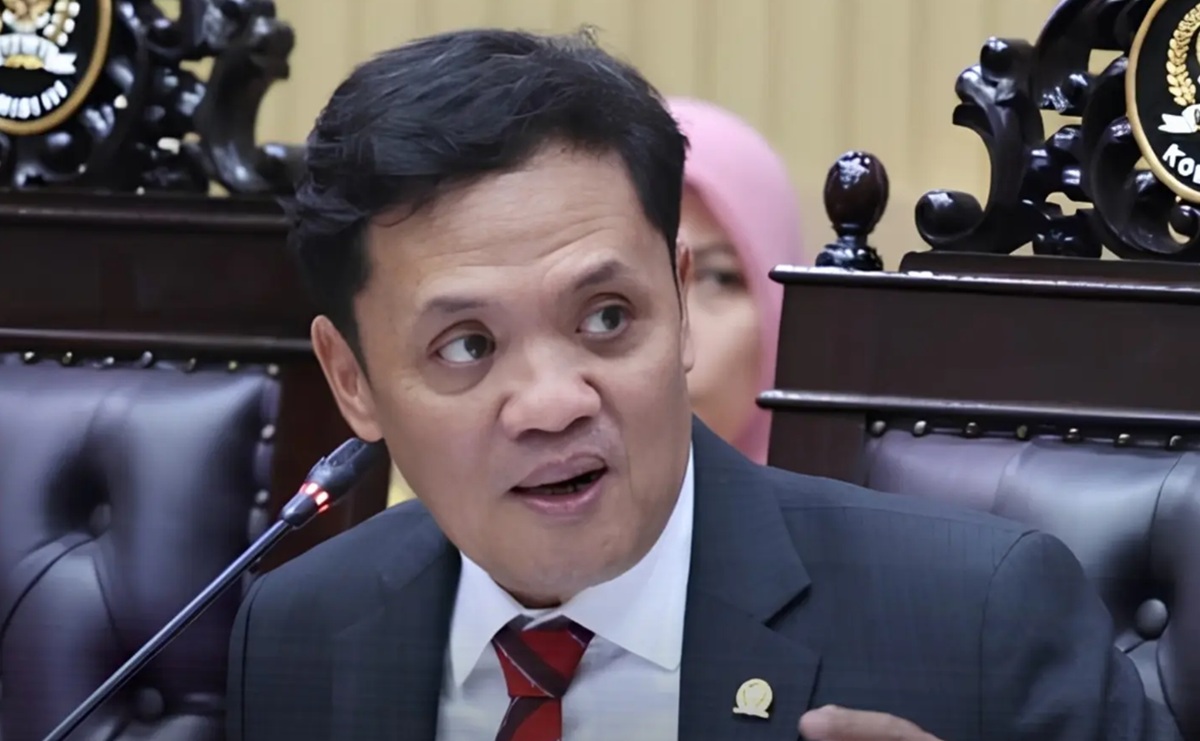
Chairman of House Commission III Habiburokhman said the Asset Forfeiture Bill is targeted to be passed into law no later than the House plenary session in December 2026. Habiburokhman explained that, calculated from the effective sitting period outside the recess, the deliberation of this bill leaves only around eight weeks.
“Within those eight weeks of sitting time, Commission III will hold public hearings to absorb aspirations, harmonisation, working meetings with the government, deliberation of the problem inventory list, first-level approval, and finally second-level approval at the plenary in December 2026,” said Habiburokhman in a statement on Tuesday (25/8/2026).
Habiburokhman revealed that so far House Commission III has held 35 public hearings, three regional working visits, and received written input from dozens of community elements. According to the Gerindra Party faction politician, the majority of the public supports the establishment of this bill and asks that its drafting be carried out carefully to prevent potential arbitrariness or abuse of power by law enforcement officials.
“Because the remaining time is not too long, if there are still members of the public who wish to convey their views, they can do so by submitting a written concept,” he continued.
Habiburokhman said the deliberation of the Asset Forfeiture Bill is currently focused on maturing a number of crucial issues. One of them includes the mechanism of asset forfeiture without a criminal conviction, or non-conviction based asset forfeiture, which is used when the perpetrator has died, fled, or cannot be processed criminally.
In addition, the reverse burden of proof scheme is also designed strictly so as not to create the perception that the state can seize assets based merely on suspicion. A clear initial evidentiary standard is required through due process of law to provide protection for citizens’ rights and third parties who possess assets in good faith.
“House Commission III together with the government is also continuing to harmonise regulations so that there is no overlap of authority among law enforcement agencies, from tracing, blocking, seizure, to the management and return of assets to the state,” he concluded.