
House Commission III Hearing: Researcher Explains Urgency of Passing Asset Forfeiture Bill
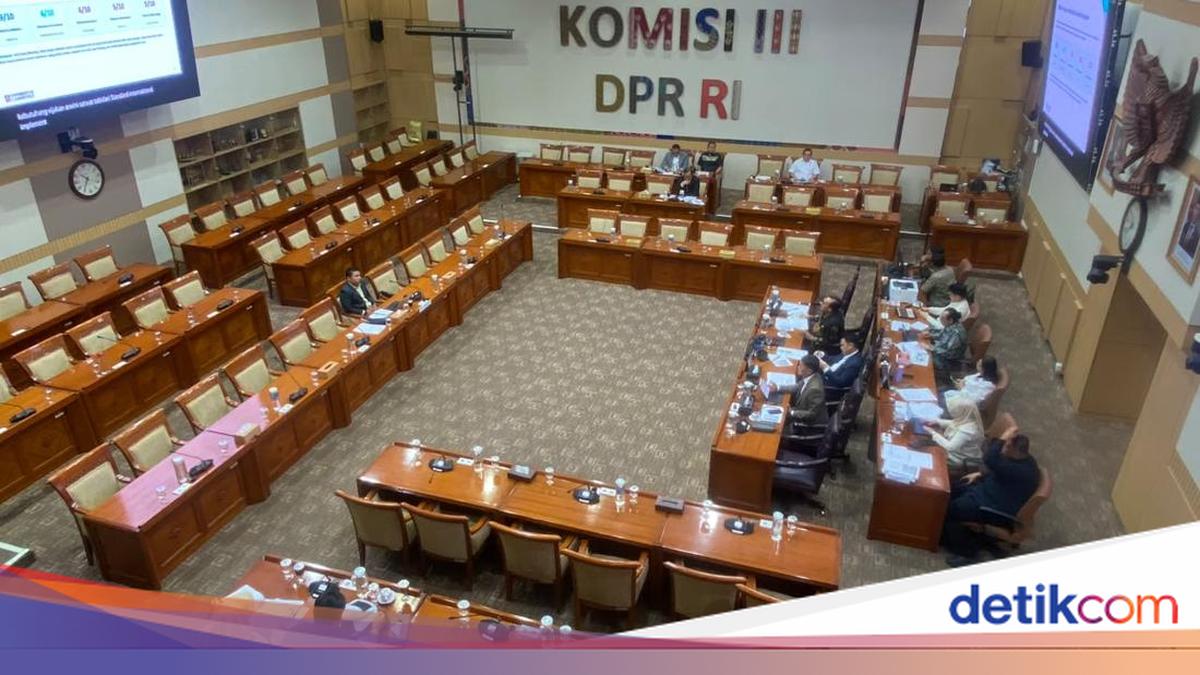
Advocate and academic Ahmad Novindri Aji Sukma, a doctoral researcher at the University of Cambridge’s Institute of Criminology, presented his views during a hearing with House Commission III in Jakarta on Monday. Speaking online, he stated that the Asset Forfeiture Bill is feasible and must be supported because Indonesia urgently needs a strong asset recovery framework.
Aji noted that before the bill is passed, there is still work to be done regarding its substance. He identified the main weaknesses of the draft as lying in its institutional procedural safeguards, specifically the standard of proof, protection for third parties, the division of asset management responsibilities, and potential conflicts of interest between law enforcement and asset management functions.
He stressed the urgency of the bill, explaining that the current system relies heavily on conviction-based forfeiture, where assets can only be seized after a perpetrator is found guilty. This approach, he argued, reaches a dead end in four scenarios: when the perpetrator dies, when the perpetrator flees or cannot be tried, when assets are hidden through other parties, and when assets have been converted or commingled. A lengthy criminal process also allows perpetrators time to move their assets.
Aji assessed that the latest draft of the bill is quite progressive as it combines both conviction-based forfeiture and non-conviction based forfeiture mechanisms.