
House Commission II Urges KPU-Bawaslu to Study E-Voting for Overseas Voters
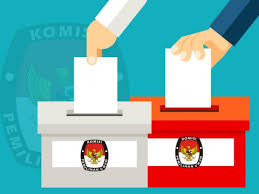
Chairman of House Commission II, Rifqinizamy Karsayuda, is urging the General Elections Commission (KPU) and the Elections Supervisory Body (Bawaslu) to begin studying the implementation of an electronic voting (e-voting) system, particularly for Indonesian citizens residing abroad. This step is considered a solution to the persistent challenges of organising elections overseas, which are frequently marred by vulnerabilities due to time zone differences and the diversity of voting methods.
The Nasdem Party politician reflected on his experience monitoring the 2029 election in Malaysia. He argued that the current conventional approach is highly susceptible to fraud and the misuse of voting rights. “The urgency of e-voting is based on our experience following the 2029 election in Malaysia. Indeed, if we continue using the current pattern abroad, the timing is not synchronised, the voting methods vary, and it is very prone to being misused,” Rifqinizamy stated on Tuesday (16/6/2026).
Rifqinizamy explained that implementing e-voting overseas is highly rational and relevant to explore. The primary reason is that the majority of the Indonesian diaspora are urban, tech-literate individuals with full access to personal electronic devices. On the other hand, geographical factors and labour regulations in host countries often disenfranchise Indonesian voters. Many work in domestic or corporate sectors and are not granted leave or the flexibility to travel long distances to polling stations designated by the Overseas Election Committee (PPLN).
Furthermore, House Commission II projects that the issue of diaspora voting rights will be a crucial point in the upcoming revision of the Election Law. The approach to overseas political representation must be separated from domestic dynamics because the characteristics of the problems are fundamentally different. Rifqinizamy even floated the idea of adopting an electoral system similar to Italy’s, where the country allocates specific parliamentary seats exclusively to represent its citizens living abroad.
“Going forward, I think we also need to consider an overseas electoral district. The issues abroad are different from those elsewhere, so that our diaspora citizens get proper representation to voice their concerns in the DPR. This will be an interesting issue for us to address together in the Election Law revision,” he concluded.